





Grow
Hellebores' roses of winter
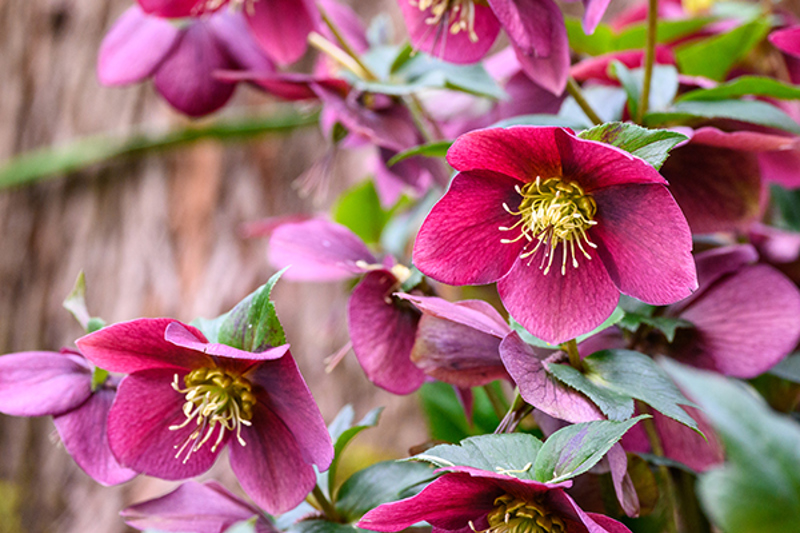
Winter rose is one of the many names given to plants in the increasingly popular Helleborus group. They’re also called Christmas roses, Lenten roses (both names reflecting their northern hemisphere flowering time), or simply nicknamed ‘hellebores’.
They have attractive leathery leaves, often with spiny borders, and pretty, open, cup-shaped flowers that do look a bit like single roses (hence the name) in shades of pink, maroon and cream that can age to a fascinating green. The species have been widely hybridised but they all provide interest at a time of year when flowers can be scarce.
Planting Hellebores
Shade-tolerant hellebores are ideal for use as ground covers under trees. And, even though they’re very hardy, just like any other plant they’ll perform much better if given good care.
Before planting, enrich the soil with some organic compost. Dig in Dynamic Lifter pellets or Nature’s Way Biogold pellets and, in most areas, some Yates Garden Lime. Water well after planting and don’t let the new plants dry out. Once they’re well settled in, the plants will only need occasional supplementary watering.
Pots
Hellebores can also be grown in pots. You won’t need a very deep container – a trough like the Yates Tuscan Edge would be ideal and, because these have a self-watering feature, they’re easy to look after. Choose a top quality potting mix like Yates Professional and feed a couple of times a year with Yates Acticote.
Propagation
Hellebores grow readily from seed and, if they’re happy, the plants will spread themselves around the garden. But if you want to try growing numbers of plants from seed, it’s recommended to mix the seeds through some moist peat moss and leave in the freezer for a few weeks before sowing into pots of Yates Black Magic Seed Raising Mix. This is called stratifying, a process that imitates the cold winter the seeds would experience in their natural habitat. Take care when storing and handling the seeds and flowers – all parts of the plants are poisonous.
Problems
Hellebores have very few problems and most can be prevented by growing the plants in congenial conditions (which means adequate food and water). The plants aren’t even attacked often by snails, but they do provide shelter for these pests. Hence, a judicious sprinkle of snail pellets every so often – Blitzem or Baysol – will help.
If the plants start to look untidy, there’s no harm in pruning off the ugly bits. New shoots will soon emerge and open into fresh leaves.
Cut flowers
The rose-like flowers of hellebores look charming in mixed posies, but very young blooms are inclined to droop quickly. Pick mature blooms early in the morning, and split the stems vertically. Then plunge into water for a good soak before arranging.


Comments (1)
Add a comment
This area is for general comments from the Yates Garden Club community. Questions posted here will not receive a reply from Yates. For specific product advice Contact Us
Mary
Yates site member
17:45, 21 January 2012
With regard to Helliabores I was told to cut off the old strong leaves and then fertilize with something and cannot remember what or when. Can you help?
Add your reply