

Judy's Garden Calendar December
Early evening’s the best time to enjoy the summer garden. As the heat of the day wanes, the summer leaves and flowers add their fragrance to the evening air.
Vegies to sow in December
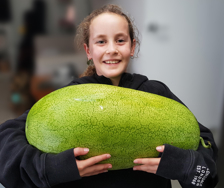
Sow fast-maturing smaller pumpkins such as Yates Golden Nugget and Buttercup. In cooler areas sow seeds of Brussels sprouts, cabbages and broccoli so plants will be well established before winter.
Flowers to sow in December
Zinnias add cheery, bright colours to the summer garden and they’re also great for picking and putting into vases. Now that the soil is warm, zinnias grow readily from seed sown straight into garden beds. No transplanting makes them easy for beginners!
Prune in December
If you desire, pinch out sideshoots (laterals) on tomatoes. These are the little shoots that appear at the base of leaves and branches. Prune shrubs that have finished blooming and remove dead flowers from roses.
Feed in December
Feed lawns with Yates Lawn Master. This will continue releasing nutrients for up to twelve weeks. And, as weather warms, don’t cut the lawn too short. Slightly longer grass leaves will grow healthier plants. Grass in bulb meadows can be mown and tidied after the bulb leaves have died down.
December pest watch
Ants can be particularly annoying in the summer garden. Control with Yates Neverong. The ants carry the Neverong back to the nest which eventually destroys the entire colony. Look out, too, for any ants in shrubs and fruit trees. They can often be an indication of scale insects or aphids. Treat with Conqueror Oil or Confidor. This treatment cleans up scale and aphids, which means there’ll be no sugar-producing pests to attract ants.
December job file
Remove excess small fruit on summer-cropping varieties like apples, peaches, pears and plum. It’s far better to harvest a smaller number of good-sized fruit than hundreds of tiny ones.
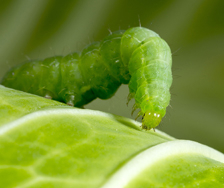
Use Yates Success to control leafroller caterpillars on avocados, kiwifruit, stonefruit and pipfruit (apples and pears).
Plant of the month
Poinsettias have become symbols of Christmas, which seems a little odd to anyone who knows they bloom naturally in the cooler months of the year. That’s because in their natural habitat their flowering is triggered by the short day lengths that occur during winter. Fortunately these light conditions are easily replicated in glasshouses, so that the plants can be induced to flower at will. Hence we’ve become used to having potted poinsettias as decorations at Christmas time.
Poinsettia blooms are actually long-lasting bracts and the plants will stay looking good in a well-lit indoor position for many weeks. In frost-free areas they can eventually be planted out into the garden, but remember to give them plenty of room – they‘ll grow to small tree size.