


Judy's Garden Calendar February

Judy

Hot days in the February garden are softened by luxuriant growth and an abundance of flowers.

Vegies to sow in February

Sow carrots in February to get them established before the cold weather, especially in cooler climates. Yates Baby Carrot is a good choice for shallow soils or pots.

Flowers to sow in February

Calendulas are some of the most useful and attractive flowers for the cooler months. Their daisy-like blooms bring cheery orange and yellow notes to the garden, and the petals can be tossed into winter stews to add extra colour and a small amount of flavour.

Feed in February

Fertilise fruit trees with Dynamic Lifter Plus Fruit Food. Visit the Yates website www.yates.co.nz to find out more about the Dynamic Lifter Plus range.

Check the layer of organic mulch over the root area of fruit trees and, after watering, top it up if necessary. Re-pot cyclamen corms and feed with Acticote or Nutricote.

Prune in February

These days most summer-bearing fruit trees are pruned after harvest. This allows them some time to make new growth and reduces the chances of fungal diseases entering pruning wounds in cool moist weather. Even at this time of year, though, it’s still helpful to wipe secateurs and pruners with disinfectant after each cut.

February pest watch

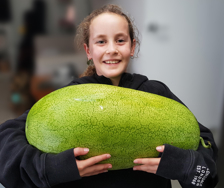
Powdery mildew is one of the curses of the summer vegetable garden. It loves to attack cucurbits such as pumpkins, squash, cucumbers, zucchinis and their relatives. Yates Nature’s Way Fungus Spray is a low toxic control for this disease and, importantly, it has no withholding period which means that crops can be picked, washed and eaten straight away. This is particularly helpful for fast-growing varieties like zucchinis that can change from pencil size to giant marrow almost overnight.

February job file

Think about adding a water feature to the garden. This will bring cooling notes to those hot February days. Options range from simple wall fountains to larger ponds.

Plant of the month – Oleander

The much-maligned oleander is one of the glories of the summer garden, particularly in the North Island. Yes, the plants are poisonous but, because they’re so bitter, there’s nothing attractive about eating them. Keep children and pets away, but make the most of the plant’s free-flowering attributes and its tough constitution. Oleanders will survive neglect but will be much happier if pruned, fed and kept well watered in dry times. The dwarf salmon variety of oleander makes a great container plant.

Annual Garden Calender