







The late summer vegie patch

powdery-mildew-on-pumpkin

February is a busy month in the edible garden. It’s a matter of balancing the demands of the remaining summer crops and preparing for the cool season varieties to come.

What to sow

Sow seeds of root crops such as beetroot, radishes, parsnips, carrots and turnips. A handy tip to keep the seeds moist and cool is, after sowing, to lay a wooden plank or some damp newspaper over the row of seeds. Leave for a week or so and then begin checking regularly to check for germination. Remove immediately after the seedlings appear.

February’s a good month too for sowing leafy vegies such as lettuce, silverbeet and cabbages. Lettuce particularly hates heat so think about watering seeds with chilled water or popping the punnets into the fridge for a few days after sowing. With cooler weather approaching, it’s now a better time of year to grow Iceberg-type lettuce such as Yates Winter Triumph and Yates Greenway.

Start leeks, broccoli, cauliflowers and Chinese cabbages. In colder areas, it’s getting a bit late for Brussels sprouts so move quickly to get plants well established before winter. Brussels sprouts struggle in warmer areas and may not be worth the bother in coastal districts.

Fertilising

Before planting, dig plenty of organic matter – compost or manure – into the soil before planting. Some Yates quality blood and bone or Dynamic Lifter Plus can be added at this time, too.
Once the plants are growing well they can be liquid fed with Thrive All Purpose or Nitrosol.

Feed green vegetables very regularly, especially during hot weather, with a high nitrogen liquid feed such as Yates Thrive Soluble All Purpose. This economical fertiliser feeds through the leaves as well as the roots

Pests and diseases

Late summer is a troublesome time for garden problems. Watch for white butterfly caterpillars attacking young cabbage relatives. Yates naturally-derived Success is an effective control for these and other caterpillars. White fly, mites and other sap suckers can be treated with Yates Insect & Mite Spray.

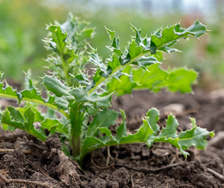
Powdery mildew (pictured) is a prevalent fungal problem in late summer. Control with Nature’s Way Fungus Spray but if plants are badly affected it may be better to remove them altogether.

Harvest

The other very critical job in the late summer vegie patch is to keep on top of harvesting. If crops are allowed to go to seed, the plant will cease any further production. And overripe vegies or rotting crops become magnets for pests and problems, so remove these asap.


Comments (14)

Add a comment


This area is for general comments from the Yates Garden Club community. Questions posted here will not receive a reply from Yates. For specific product advice Contact Us

  • Laura

    Yates site member

    07:47, 08 February 2012

    My tomato plant has been severely affected by some sort of mould/fungus. It was covered in white mould which after I sprayed, left dark patches all over. I used a spray of baking soda water and soap as I wanted an organic solution that i would not have to avoid eating the crop for 7 days. (There are tonnes of unripe cherry tomatoes). Is there any hope for it?!

    Reply

  • Marie

    Yates site member

    08:54, 08 February 2012

    I hear that everyone is having trouble with tomatoes this year i certainly am. I had to replant after a bad hailstorm and then too much rain and humidity

    Reply

  • Thomas

    Yates site member

    11:03, 08 February 2012

    My tomatoes have grown well

    Reply

  • Thomas

    Yates site member

    11:05, 08 February 2012

    my tomatoes have grown well

    Reply

  • Thomas

    Yates site member

    11:08, 08 February 2012

    my tomatoes have grown well

    Reply

  • Yvonne

    Yates site member

    14:42, 08 February 2012

    With the abundant crop of tomatoes I have, I put them in the freezer in 2LB lots to make tomato soup at a later date. Freezing them not only lets me make the soup in cooler weather, but it also makes them easier to take the skins off as they defrost a bit ☺

    Reply

  • Melanie

    Yates site member

    14:55, 08 February 2012

    Try laying banana skins on top of the soil around the plants to help the fruit ripen.

    Reply

  • Jeanette

    Yates site member

    14:59, 08 February 2012

    ALL my tomatoes except for the cherry tomatoes got blight. Was such a shame as they were laden. My daughter had the same problem with her tomatoes.

    Reply

  • Yvonne

    Yates site member

    16:40, 08 February 2012

    I sprayed the tomato plants with Yates copper oxychoride at the first opportunity after the changeable weather and removed several plants showing early signs of stress with spares. Many are in the freezer and there are plenty to share with friends and neighbours. For me, having extra plants on hand is the answer and avoids disappointment. I place strong laterals in water and plant out once the roots are established and they do well also.

    Reply

  • Briar

    Yates site member

    17:02, 08 February 2012

    I have been told to push a piece of copper wire through the stem of the growing plant. Has nayone else tried this?

    Reply

  • Sharon

    Yates site member

    21:23, 09 February 2012

    Cherry tomatoes have been the best by far; everything else awful !

    Reply

  • A

    Yates site member

    17:37, 10 February 2012

    I put my cherry tomatoes in quite late (they're just starting to crop now) but they're looking good; much better than last year's effort.

    Reply

  • Jennifer

    Yates site member

    10:30, 13 February 2012

    Our grafted tomatoes [2 plants] would make "Jack in the bean stalk" think he was in 7th heaven. They are to the top of the eves of our house. First tomato weighed 544gr. Rest have been varying sizes. Wont bother with ordinary plants next year as they look like weaklings compared to the grafted.

    Reply

  • Carol Jane

    Yates site member

    16:37, 29 February 2012

    Sob sob my Tomatoes got badly affected by blight but I did manage to gather some lovely red ones to finish ripening on the window sill and cooked them with sliced Zuchini, very tasty especially adding garlic, salt and ground pepper.

    Reply

Add your reply

Name
Email

By submitting this comment you will be added to our Garden Club mailing list. You can unsubscribe at any time.

Sign in now

Annual Garden Calender