




Beating spring pests

Aphids

The garden is usually at its eye-catching best in spring, but spring growth is also attractive to a large number of insect pests and diseases. Many of these start to multiply in spring and it’s important to try and get their numbers under control before they have a chance to reach unmanageable levels. Here are some spring pests to look out for:

Aphids

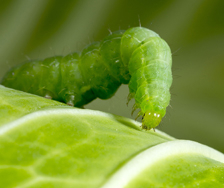
As soon as the new spring growth appears, aphid populations begin to build up. Aphids (pictured) use their prolific breeding capabilities to ensure their survival. Hand control (better known as squashing!) of aphids is successful if numbers are small but if the population has grown beyond this stage, pests can be sprayed with a low toxic insecticide such as Nature’s Way Pyrethrum or Confidor. Pyrethrum gives a quick knockdown but may need to be reapplied every few days. Confidor is slower to initially take effect, but can continue working for weeks from within the plant. Confidor’s systemic action also means that it’s not necessary to actually contact every pest at the time of spraying. Because the Confidor is in the plant’s system it will be effective against any pest that attacks the plant, even some time after spraying.

Thrips

Plague thrips often appear in plague-like proportions in late spring. They are attracted to light-coloured flowers and can be major pests of vegetables and fruit because they cause abortion of flowers and subsequent disruption of fruit set. They can also make a mess of double flowers such as white roses (Iceberg is a popular target). Plague thrips are tiny and hard to see but their rasping mouthparts cause the edges of petals to turn brown.

Thrips also attack leaves. They discolour the foliage, causing bronzing or silvering of the leaf surface. Nature’s Way Pyrethrum or Confidor will help keep thrips numbers down. Watering over the leaves will help, too.

Scale

Scales come in many different shapes and colours but they all disguise sap-sucking insects. As well as debilitating the plant by removing some of its food, the sticky waste produced by many scales can become a food source for sooty mould. This ugly, dark-coloured fungus spreads over the surface of the leaf, making it difficult for the plant to photosynthesise and replace the stolen sugar.

Remove scale by hand (a brush can help), by washing off with soapy water, or by spraying with Yates Conqueror Oil. Confidor also gives effective, long-lasting control of soft scales. After the insects have gone, the sooty mould will gradually flake away.

Passionvine hopper

Another pest that jumps into action in late spring as the weather warms is the passionvine hopper. This is a fascinating insect because its juvenile stage is so distinctly different from the adult. The nymphs are called ’fluffybums’ because of the cotton-like tufts on their tails. The adults resemble a flat-winged moth.

Passionvine hoppers attack and weaken a vast range of plants and can also encourage sooty mould. Control with concentrate Nature’s Way Pyrethrum or the ready-to-use Nature’s Way Fruit & Vegie Gun.

Prune off any plant parts where you can see the white fluffy-coated eggs. This will help reduce hopper numbers.


Comments (3)

Add a comment


This area is for general comments from the Yates Garden Club community. Questions posted here will not receive a reply from Yates. For specific product advice Contact Us

  • Ken

    Yates site member

    11:02, 11 September 2011

    Should I know the use of Confidor earlier my lovely fragrant Daphene would not have died.

    Reply

  • teresa

    Yates site member

    18:25, 19 September 2011

    I have an apple tree, it has had black spot and codling moth the last two seasons, could anyone tell me which sprays to use and when?

    Reply

  • Joan

    Yates site member

    14:31, 30 September 2011

    what can i do to stop a bug getting into the carrots i do use diazanon but it dosent seem to help, every year seems to be getting worse.

    Reply

Add your reply

Name
Email

By submitting this comment you will be added to our Garden Club mailing list. You can unsubscribe at any time.

Sign in now

Annual Garden Calender