


Yates Success Ultra Insect Control - Concentrate
Helps control common caterpillars, thrips, codling moth and tomato potato psyllid. Contains spinetoram derived from beneficial soil bacteria.
Create a Yates account today!
Sign up to join the Yates Garden Club for monthly e-mails packed with seasonal inspiration, tips for success & exclusive promotions.
Plus if you’re a Garden Club member you can take part in the Yates Growing Community - a blog to share successes, get advice & win prizes in fun challenges along the way!

Enter the email address associated with your account, and we'll email you a new password.
Lepidoptera
Pieris rapae

There are many types of caterpillar pests that attack brassica vegetables, but the most notorious has to be the Cabbage White Butterfly (Pieris rapae).
Cabbage white butterfly has distinctive dusty-looking white wings, with small black spots, about 40mm across. The adult butterflies lay their eggs on the underside of leaves. Their larvae (caterpillars) are responsible for all the damage, when they hatch out and begin to chew on the leaves.
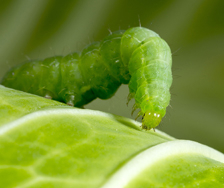
The blue-green velvety textured caterpillars are very small and hard to spot at first. Eventually they reach about 30mm in length; at that size they're capable of completely skeletonising the leaves of vegetables. On hearting vegetables like cabbages and cauliflowers, the caterpillars begin by chewing holes into the outer leaves, before burrowing into the inner heart of the plant and eating the developing baby leaves.

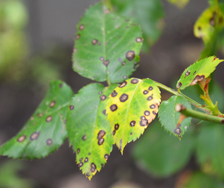
Large holes appear in the leaves of brassica vegetables, with leaves becoming quite tattered.
The small bluey-green pellets scattered on the inside of leaves, or in the heart of cabbages are frass (caterpillar poo). Frass confirms the presence of caterpillars, even if you haven't spotted them (the caterpillars are quite well camouflaged).
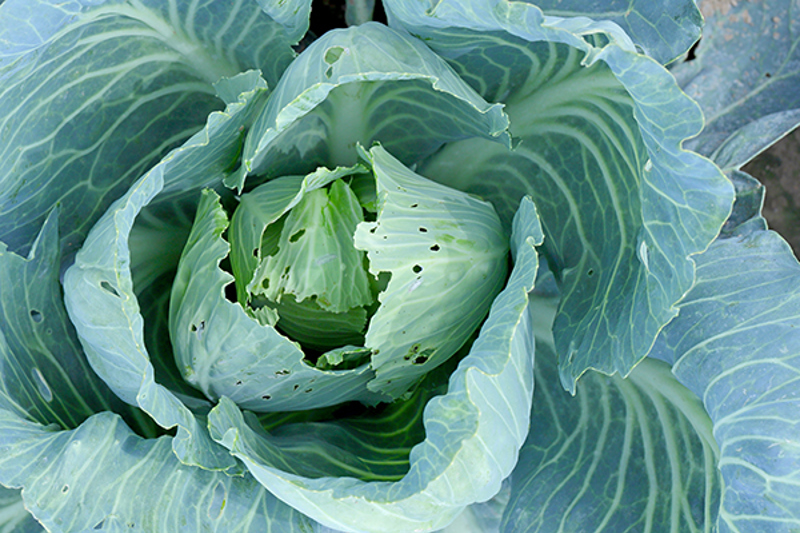
For cabbages and cauliflowers, it's best to eliminate caterpillars while they're still on the outside leaves, before they tunnel into the inner heart and ruin the vegetable. When caterpillars conceal themselves inside a cabbage or cauliflower, contact insecticides can no longer reach them, so a preventative approach works best.
Yates Success Ultra concentrate is our go-to product to banish caterpillars. Because it's effective as a contact spray, but also from ingestion when insects attempt to feed on a treated plant, it provides useful preventative control. Success Ultra contains spinetoram, a very effective active ingredient derived from fermented soil bacteria, with a 3-day withholding period after application on brassicas. Spinetoram has a translaminar action, which means it can penetrate the upper surface of sprayed leaves and move through the leaf tissue to the underside. This helps get rid of caterpillars that conceal themselves underneath the leaves.
If you prefer a natural control option, try Yates Nature’s Way Citrus, Vegie & Ornamental Insect Spray; it’s a BioGro approved input for organic gardening. A pyrethrum and oil combination insecticide, with twin modes of action against garden pests, made from natural pyrethrum (from the pyrethrum daisy) and canola oil. This formula effectively controls caterpillars along with a wide range of other insect pests, so it's a good all-purpose solution to keep on hand. Make certain to spray leaves thoroughly, including the undersides, to eliminate caterpillars hiding there.

You can pick off the caterpillars by hand and squish them, although relying on this method requires constant vigilance to maintain a satisfactory level of control.
Installing insect netting as a physical barrier can be very effective against cabbage white butterfly, if you make certain there are no gaps around the edges. Using lengths of timber to weight down the edges of netting works well.


Share
Share this article on social media