Tips
Solving tomato problems
Home grown tomatoes are renowned for their flavour, but the plants can suffer from a number of problems. By taking a few simple precautions, however, most problems can be avoided. Here are some guidelines for growing healthy tomatoes:
- Some diseases are carried in the soil, so it’s best to plant tomatoes in a different spot each year. Try to avoid planting in the same part of the garden for at least four years. If you don’t have enough space for this, try growing tomatoes in a pot. The 400mm Yates Tuscan Edge pot with its self-watering feature is a good size. Bigger still (such as the 500mL Yates Tuscan) would be even better.
- Some tomato diseases are spread by small sap-sucking insects such as aphids, white fly or thrips. Watch out for these – even though they’re small they can be deadly carriers. Yates Tomato Dust will take care of many of these pests, but remember to dust both sides of the leaves. Another option is to spray with low toxic Nature’s Way Insect Spray. It comes in an economical concentrate formulation.
- Some tomato diseases are fungal. Like all fungi, they need moisture to germinate and spread, so the first step is to keep the leaves dry. Do this by applying water at the base of the plant and by watering in the morning so the leaves can quickly dry. Removing lower leaves will help with – as they can be affected by water splashing up from the soil – as will mulching around the base of the plant. Tomato Dust contains two different fungicides – copper and sulphur – that will help stop fungi from taking hold.
- When buying tomato plants or seeds, always look for varieties that mention disease resistance.
- Prevent blossom end rot – sunken areas at the base of the fruit – by keeping the water supply even. Good mulching will help. And add some lime or dolomite before planting so that there’s adequate calcium in the soil.
- Well fed plants are better able to resist pests and diseases. Regular feeding with Thrive Concentrate Tomato Food or Nitrosol Liquid Tomato Food will supply a specially-formulated blend of nutrients.
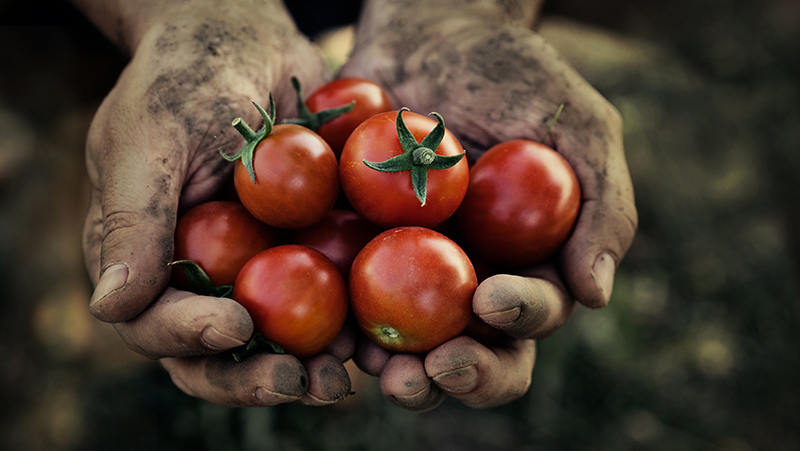
- Finally – if all else fails – grow cherry tomatoes. They don’t seem to be troubled by anything!

Follow Judy on Twitter


Comments (1)
Add a comment
This area is for general comments from the Yates Garden Club community. Questions posted here will not receive a reply from Yates. For specific product advice Contact Us
christine
Yates site member
15:46, 09 March 2012
My cherry tomatoe plant is now two years old and has been fruiting all through last winter and this summer. It lives in our sun porch
Add your reply