


Tips
Useful Articles for gardeners of all abilities.
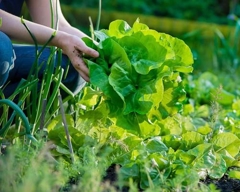
Your own homegrown vegetables taste much better and are fresher than any that you buy in the shops. Fruiting vegetables, like beans, tomatoes, capsicum and sweet corn, have the best flavour if they’re eaten as quickly as possible after harvest; leafy vegetables, such as lettuce, lose water and rapidly become limp, and all vegetables are more nutritious if they are consumed when as fresh as possible.
Useful Articles for gardeners of all abilities.
Projects to get you motivated and inspired for a weekend of gardening.
Specific advice to grow and maintain a range of home garden plants.
An extensive range of practical gardening videos and product demonstrations.
Growing your own can save a considerable amount on food costs and will also give you a wider choice of vegetables. Unusual vegetables are often difficult to buy in shops, but are easily grown in the home garden. Lots of vegetables are ornamental so can be grown for their good looks as well as their produce.
Vegetables can be loosely grouped according to their growing season.
Cool Season Vegetables: Grow best when temperatures are between 10-20 degrees C or even lower. They include: broad beans, broccoli, Brussels sprouts, cauliflower, onions, peas, spinach and turnips.
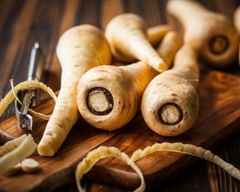
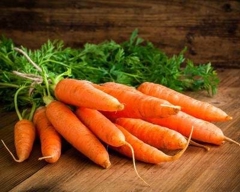
Intermediate Season Vegetables: These are best between temperatures of 15-25 degrees. Include: beetroot, carrot, parsnip, celery, leek, lettuce, radish, silver beet.
Warm Season vegetables: Are grown best when temperatures are above 20 degrees C. Include: Beans, capsicum, eggplant, potato, sweet corn, sweet potato, tomato and cucurbits (including cucumbers, zucchini, pumpkins etc.)
Position – Vegetables must have sun! Try to select a growing area that is sunny for most of the day, is sheltered, and is close to a source of water.
Soil – Soil is often the easiest thing to adjust to your growing needs. In fact, strictly speaking, soil is not absolutely necessary. Vegetables can be grown in potting mix or in a hydroponic set up, but the most common medium is still good garden soil. Soil must have good drainage and a good structure. Regular incorporation of old organic matter (such as compost) will keep the soil functioning well.
Nutrients – Vegetables, more than most other plants, need to be supplied with adequate nutrients.
Mineral fertilisers: are reliable sources of good quantities of nutrients. Mixes with a balanced NPK ratio are suited to a wide range of crops. Balanced, all-purpose fertilisers, such as Thrive All Purpose, can be mixed into the soil before planting. Soluble fertilisers, such as Thrive, can be applied in liquid form to plants during their early stages of growth. Additional dressings of Sulphate of Potash and Superphosphate may be necessary, especially for fruiting and root crops.
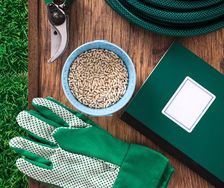
Organic Fertilisers: are derived from once-living material. They’re excellent for improving soil, but their nutrient levels can be very variable. In recent years, however, increased interest in these products has led to many improvements, with fertilisers such as Dynamic Lifter organic pellets now having guaranteed nutrient levels.
pH is the level of acidity or alkalinity in the soil. Most vegetables produce best results if grown at a soil pH level of 6.0 to 7.0. In some areas this may mean adding lime before planting. Checking the pH level of the soil is recommended.
Mulching over plants’ root systems, preferably with an organic mulch, will retain moisture, suppress weeds, reduce temperature fluctuations, and prevent soil crusting.
Water thoroughly so that the entire root system of the plant is moistened. Thorough waterings are more effective than light sprinklings. Don’t allow plants to reach wilting point but, conversely, don’t flood them as this washes away nutrients and may cause drainage problems.
It’s important to avoid growing successive crops of the same type of vegetable in the same spot in the garden. This practice, which is called crop rotation, helps prevent build up of soil diseases. Seasonal crop changes often lead to natural crop rotation.