



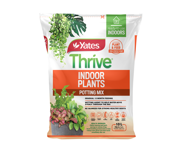
Yates Thrive Indoor Plants Potting Mix
To give your precious plants the perfect start, we've created the ideal ready-to-use NZ indoor plant potting mix.
Create a Yates account today!
Sign up to join the Yates Garden Club for monthly e-mails packed with seasonal inspiration, tips for success & exclusive promotions.
Plus if you’re a Garden Club member you can take part in the Yates Growing Community - a blog to share successes, get advice & win prizes in fun challenges along the way!

Enter the email address associated with your account, and we'll email you a new password.
Indoor plants breath life into homes and home offices; quite literally, because they absorb CO2 and add oxygen into a room.
Science has shown that surrounding yourself with lush, leafy plants can make you feel more relaxed, inspired and positive, plus help reduce stress.
Houseplants are good for you; they look gorgeous; what's not to love?
The early Victorians invented glass terrariums, which sparked off an indoor plant revolution. However, for indoor plants as we know them today, their choices were limited. The introduction of gas lighting and regular winter heating killed so many indoor plants that only the cast iron plant (Aspidistra elatior) could survive, which is why it became the 'universal houseplant' in a nineteenth-century home.
It wasn’t until after the Second World War that indoor plants diversified again, under the influence of Scandinavian and 'mid-century modern' design. The 1970s saw an enormous surge in popularity for indoor plants (alongside macramé), that introduced many of today's favourites. The COVID pandemic encouraged yet another plant boom, with highly collectible, exotic houseplants becoming sought after items. Today's trend has settled into using more approachable, easy-care plants, and integrating them thoughtfully into interior design.
Although millions of plants are sold as houseplants, there's really no such thing as an 'indoor' plant. Indoor plants all evolved outdoors, but many species can adapt to growing inside when the conditions are close enough to their natural habitat. This is why the most successful indoor plants tend to originate from warm rainforests, where they grow in the shade of large trees. When you grow plants in your home, giving them conditions that match their natural habitat is a great approach to help them thrive.
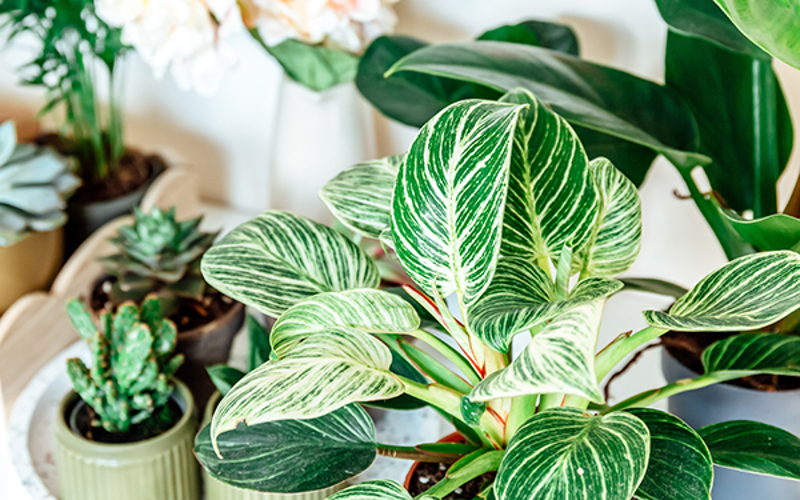
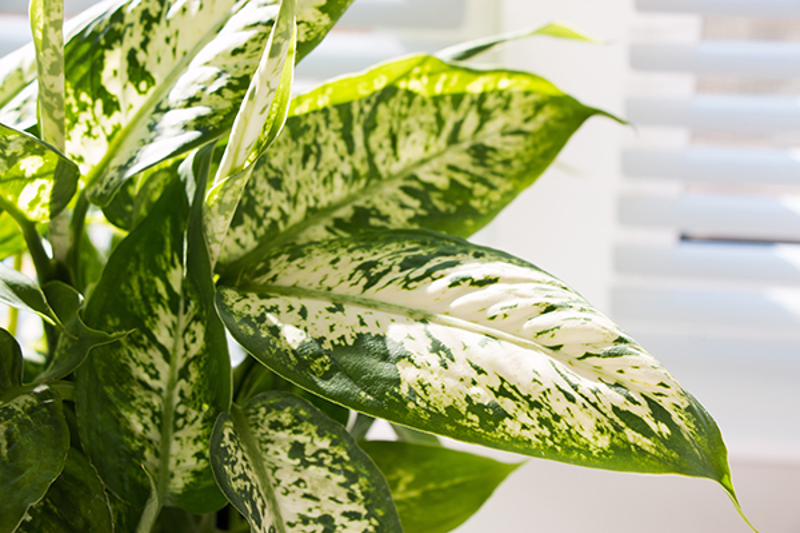
Plants with thick, glossy leaves are the easiest to grow indoors. This time-honoured category includes ZZ plant (Zamioculcas zamiifolia), philodendrons (‘Xanadu’ is a classic choice), Madagascar umbrella plant (Schefflera), cast iron plant (Aspidistra), dragon plant (Dracaena), prayer plant (Maranta), Swiss cheese plant (Monstera deliciosa), mother-in law’s tongue (Sansevieria), dumb cane (Dieffenbachia), bromeliad (Aechmea) and fatsia (Fatsia japonica).
Other plants well adapted to growing indoors are spider plant (Chlorophytum), peace lily (Spathiphyllum), aglaeonema, arrowhead vine (Syngonium), peperomias, kentia palm, parlour palm and Boston ferns.
The plants listed above are popular with good reason: they're very dependable. If you're new to indoor plants, these are ideal to get you started, before you graduate to more expensive and exotic plants from specialist nurseries.
There are plenty of flowering indoor plants, too: African violet (Saintpaulia), hoyas, anthuriums and elatior begonias, calceolaria, cyclamen, gloxinia, primula and polyanthus are available in nurseries, in season. These tend to need more light and care than the hardier indoor plants listed above.
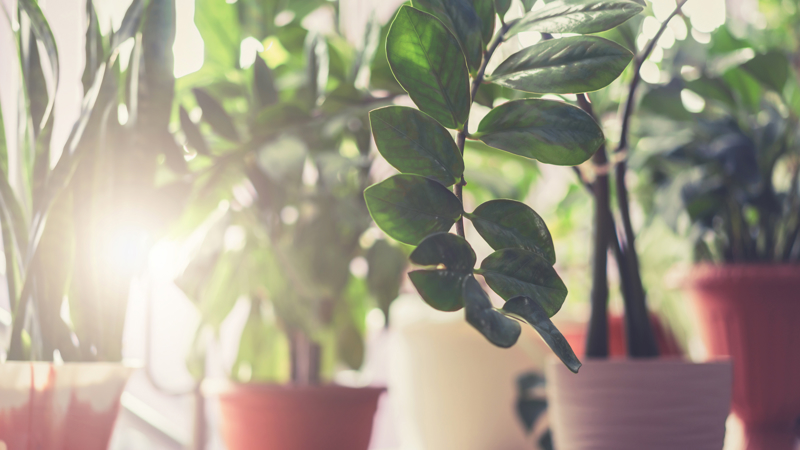
Indoor plants need sunlight, but should never be placed in direct sun. If there's enough light to cast a shadow (test it by holding your hand against something white), there's enough light for most indoor plants. Plants really don't like dark, closed rooms; if you're away all day and your home is locked up, don’t pull down blinds or draw curtains, let in the light! If security allows it, provide ventilation and airflow for your plants.
Ideally, indoor temperature should stay fairly even (somewhere around 20°C), without extremes of heat or cold.
Plants with tropical origins prefer higher humidity than humans, so a warm, dry house can be a challenging environment for them to grow in! As temperature rises, plant respiration increases, so their potting soil dries out even faster. Winter heating or running a dehumidifier can really make your plants suffer, so it's good practice to give them a regular mist-spray with water.
Plants grouped closely together are often happier than solo plants, because the massed leaves create a microclimate, which helps increase humidity around them. You can also boost humidity around your plants by standing their pots in a tray of pebbles filled with water, plus mist-spraying the foliage regularly.
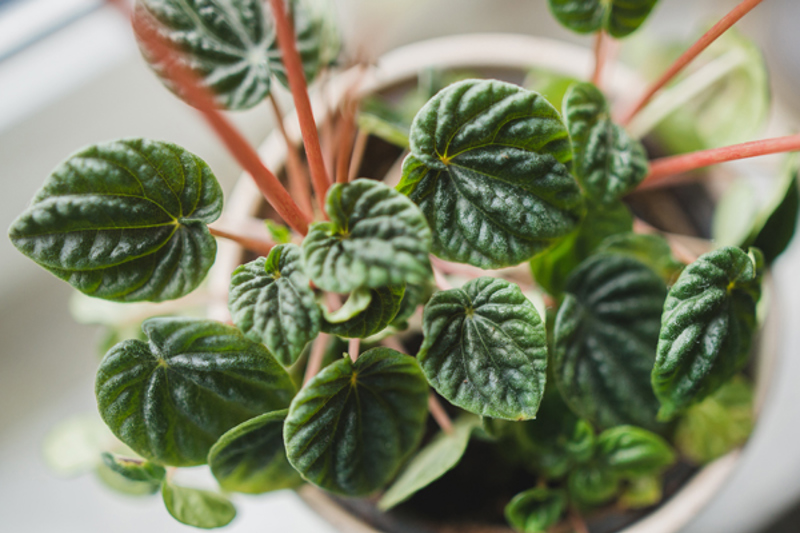
All indoor plants need watering, but their preferences vary for how much, and how often. During hot, dry spells, tropical-origin plants might need daily watering (or misting), but when the weather cools down once a week should be ample. In contrast, plants that originate from drought-prone environments often like their potting soil to dry out completely between waterings. Examples include ZZ plant, mother-in law’s tongue, hoyas and succulents. When you get a new plant, check its watering preferences and adjust your watering timetable as needed.
If the potting mix feels damp, don't water. More plants are lost through over-watering than under-watering! Gently poke a finger into the potting mix, to about 3cm below the surface. If it’s dry, water...but if it’s moist, you can leave watering for a few days. As a general rule, water once a week (until water runs out of the drainage holes), but extend this to every 10 days or so during the cooler months.
During wintery weather, it's best to use tepid water: very cold tap water can chill and shock roots, causing stress to your plants.
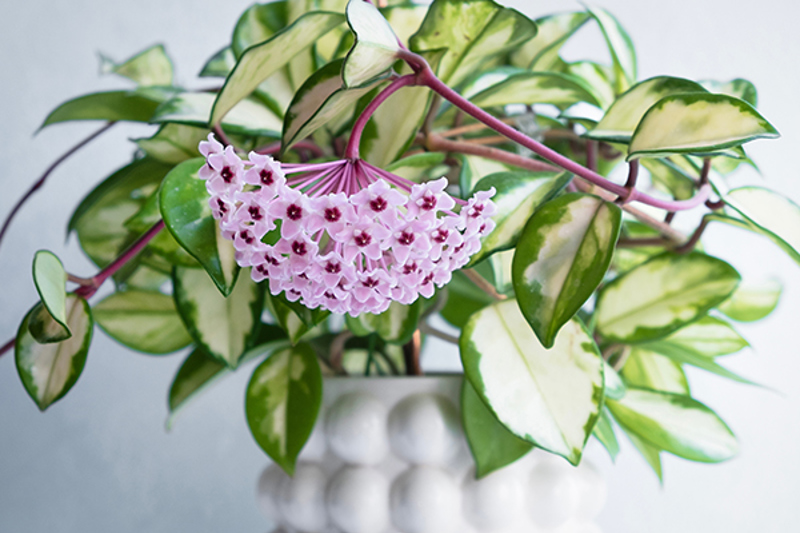
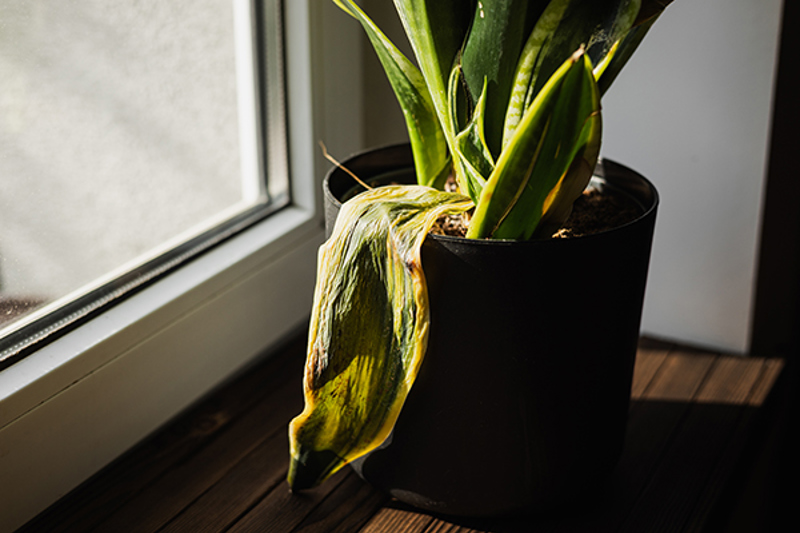
Most indoor plants react to stress by wilting, dropping their leaves or turning yellow. Confusingly, this can signal they're too dry, too wet, too hot, too cold or too dark! To help diagnose what's causing the problem, check out our Plant Guides.
To help your plants recover from drying out, fill a sink or bucket with a solution of Yates Natural Seaweed Tonic and room-temperature water. Submerge your pots in the seaweed tonic, then leave them to soak for 15-30 minutes, or until they stop bubbling. Put the pots in a shady spot to drain (while they drain, you can carefully rinse off their leaves and snip off any dead foliage).
It's important to feed your indoor plants during their growth season. Regular feeds of Yates Thrive Indoor Liquid Plant Food will keep them happy and healthy - just add it to your watering can, to provide nutrition while you water.
Regularly dust your plant leaves. Gently dust glossy-leafed plants with a clean cloth, or use a soft paintbrush for plants with furry leaves. Yates Leaf Shine for Indoor Plants will give your glossy plants a remarkable facelift!
It can be beneficial to put your plants outside when it rains (if it's not too cold). Rain washes their leaves and helps leach any build-up of salts (from tap water) out of their potting soil. Make sure you don’t leave them outside to be burnt when the sun comes out though! In fact, many indoor plants benefit from periods of rest outside, in a shady, sheltered spot; three weeks indoors and three weeks outdoors is a good timetable for rotation. If you don't have a sheltered place outside, move your plants around so they all get a turn in the best growing spot, beside a well lit window.
Plants that grow too big for their containers can often be rejuvenated, by cutting off the tops and letting them shoot again from the base. Dracaena, dumb cane and umbrella plants are good candidates for this treatment.


Share
Share this article on social media