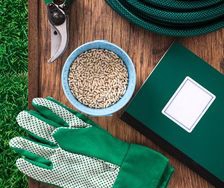





Yates Dynamic Lifter Organic Plant Food
Releases nutrients slowly, improves the structure and moisture retention of the soil and encourages earthworms and beneficial soil micro-organisms.
Create a Yates account today!
Sign up to join the Yates Garden Club for monthly e-mails packed with seasonal inspiration, tips for success & exclusive promotions.
Plus if you’re a Garden Club member you can take part in the Yates Growing Community - a blog to share successes, get advice & win prizes in fun challenges along the way!

Enter the email address associated with your account, and we'll email you a new password.
Synanthedon tipuliformis

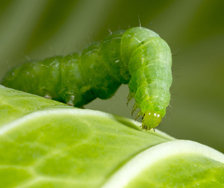
Currant clearwing moth larvae tunnel their way through the canes of Ribes family plants, feeding on the pith. They can cause death or serious damage to a currant bush if they aren’t controlled.
The adults are small day-flying moths, with distinctive transparent and orange 'stained-glass' wings and a fan-shaped tuft at the end of the tail. They also have thin yellow rings around the body, which makes them look a little bit like a wasp.
Adult moths are flying and laying eggs during spring and autumn. Larvae hatch out and overwinter inside the stems, emerging as adult moths the following year.
If you notice any dieback or unhealthy appearance of the canes, cut open a stem to investigate. If it has a tunnel bored into the middle, it's caused by currant clearwing moth larvae.
Cut weak or unhealthy-looking canes off as close to the ground as possible. Burn the offcuts to destroy the larvae.


Share
Share this article on social media