




Yates Mavrik Insect & Mite Spray - Concentrate
Controls a broad range of insect and mite pests.
Create a Yates account today!
Sign up to join the Yates Garden Club for monthly e-mails packed with seasonal inspiration, tips for success & exclusive promotions.
Plus if you’re a Garden Club member you can take part in the Yates Growing Community - a blog to share successes, get advice & win prizes in fun challenges along the way!

Enter the email address associated with your account, and we'll email you a new password.
It’s harvest time - when you're waiting to pick them, for some summer vegies and fruits it can be hard to guess when they're ready. Here's how to tell when they're at their best!
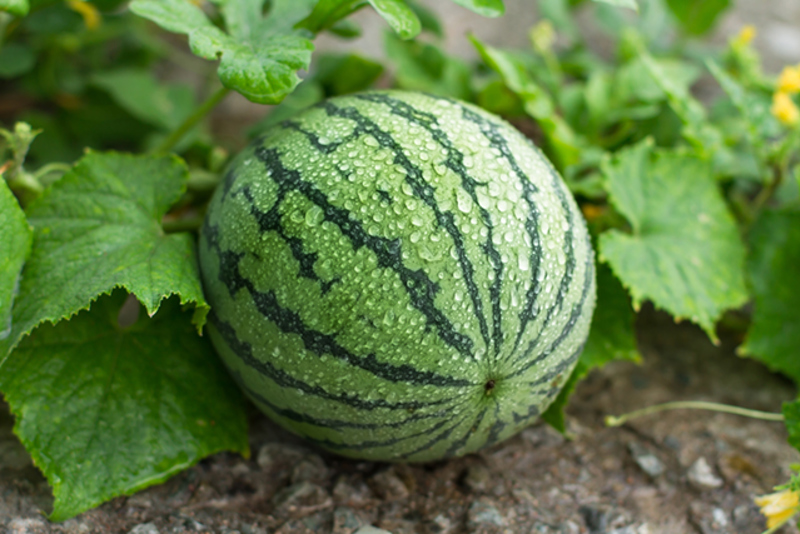
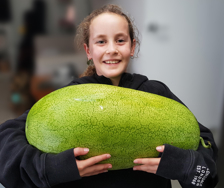
A signal that Watermelons are ripe is when the little curly tendrils at the top of the melon stalk dry up and turn brown.
Pick the melon up and give it a gentle rap with your knuckle – if it makes a “hollow” sound, it’s ready to pick. If it doesn’t sound hollow, also have a look at the pale-coloured patch underneath the watermelon – if that has turned yellow, the melon will be ready to harvest.
Keep the watermelon at room temperature until you slice it, to accentuate the flavour.
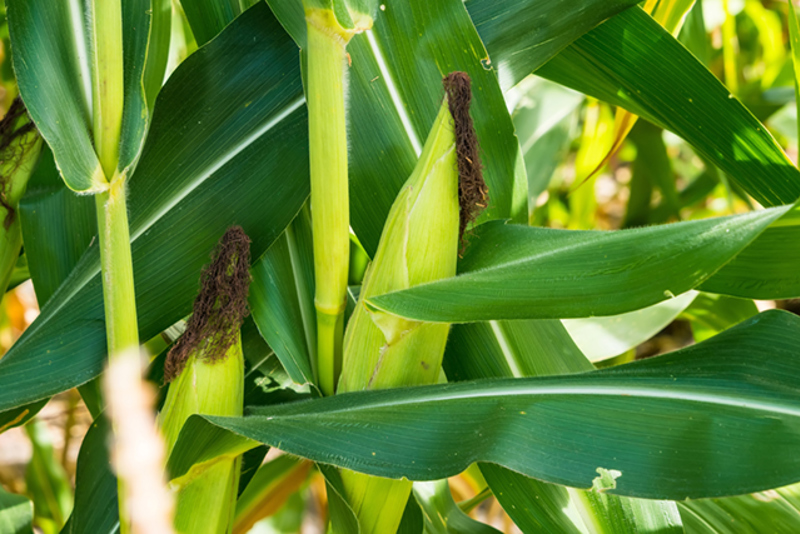
The clue that sweetcorn is ready to be picked is when the silky tassels turn brown and dry up, but double-check the ear has filled out nicely before picking it. Give the ear a squeeze to make sure it’s fat and juicy inside.
To pick, pull the ears downwards and give them a twist, to leave the stalk standing.
For the sweetest flavour, sweetcorn is best eaten as fresh as you can pick it!
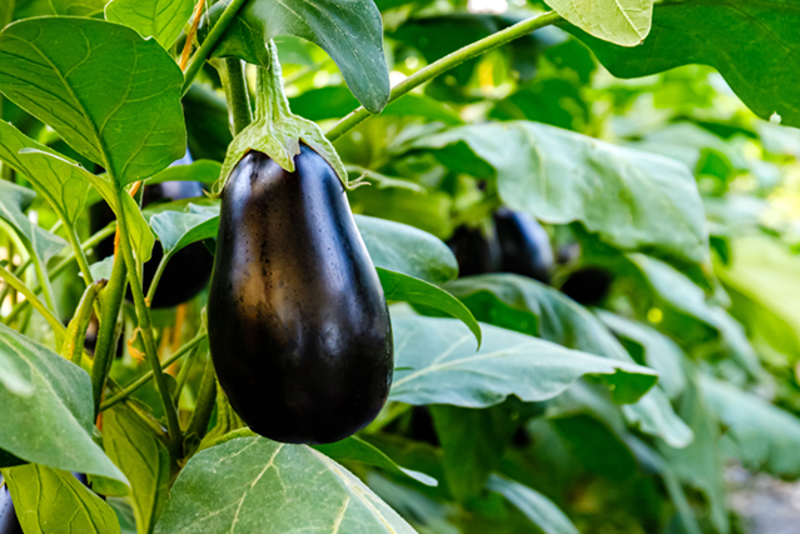
When harvesting eggplants, picking early is always better than waiting, to stop the fruit getting too bitter. When the fruit develops glossy skin and deepens in colour, lightly press a thumbnail into the eggplant…if it springs back immediately, it’s not quite ripe yet. If it leaves a slight mark on the skin, it’s ready to pick.
Be gentle when harvesting eggplants, to avoid bruising the fruit. Cut or snip the stem just above the green calyx on top of the fruit (and mind the thorns on spiny varieties).
Keep harvesting frequently, to encourage the plant to produce more fruit.
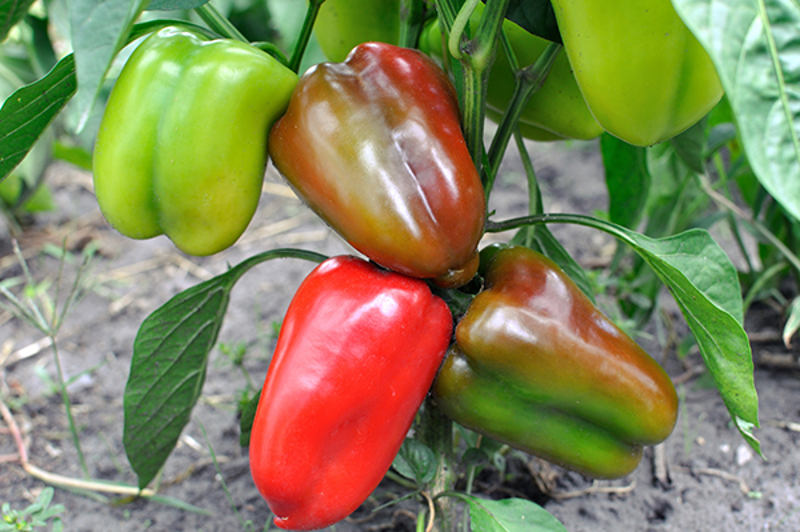
You can harvest and use capsicums when they're green, although it's best to wait until they've reached full size and become quite firm to the touch (because the fruit walls will thicken and they'll develop more flavour). Green peppers have a more tangy, grassy flavour than fully mature fruit.
If you leave green capsicums on the plant for a few extra weeks, they'll gradually change to their bright mature colour, plus develop a lot more sweetness and flavour as they ripen. When the fruit has coloured up fully, to bright red, yellow, orange or purple, it's ready to harvest.
To pick capsicums, slice the fruit off (leaving a bit of stem attached) with a sharp knife or secateurs, to avoid damaging the plant.
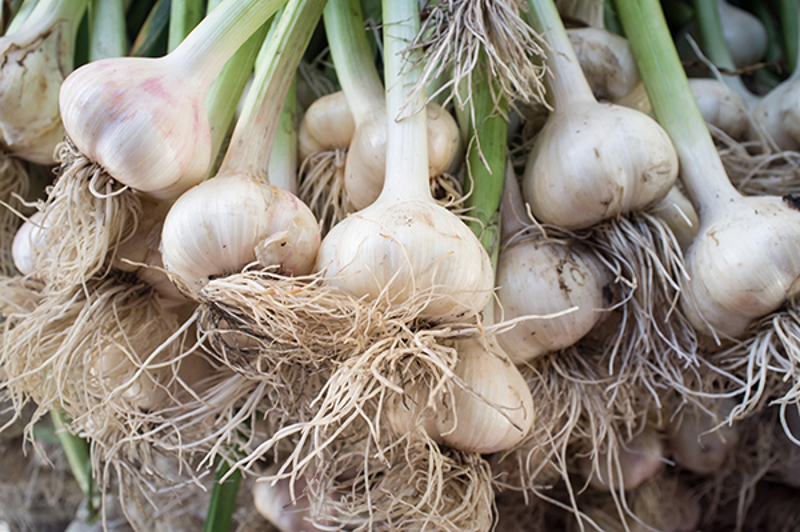
Garlic is ready to harvest when several of the lower leaves turn yellow or brown. The timing is perfect while there are still 5-6 green leaves remaining at the top of the plant. Using a trowel, gently lift from underneath the bulb while pulling up on the stem. Be careful with the bulbs, as they bruise easily (bruising means they won't store well).
Pro Tip: You can clean the dirt off by pulling the lowest green leaf all the way down, so the lower leaf skin peels off the garlic bulb like a banana.
Hang the harvested plants, with the stems, leaves and roots still attached, in a dry, airy sheltered spot for about a month, to cure. When the top green leaves have turned brown and papery, you can trim the neck of the garlic down to around 15-20cm from the bulb. Also trim the long roots to tidy them up. If there are no signs of green left inside where you've trimmed the neck, your garlic is cured and ready to use!
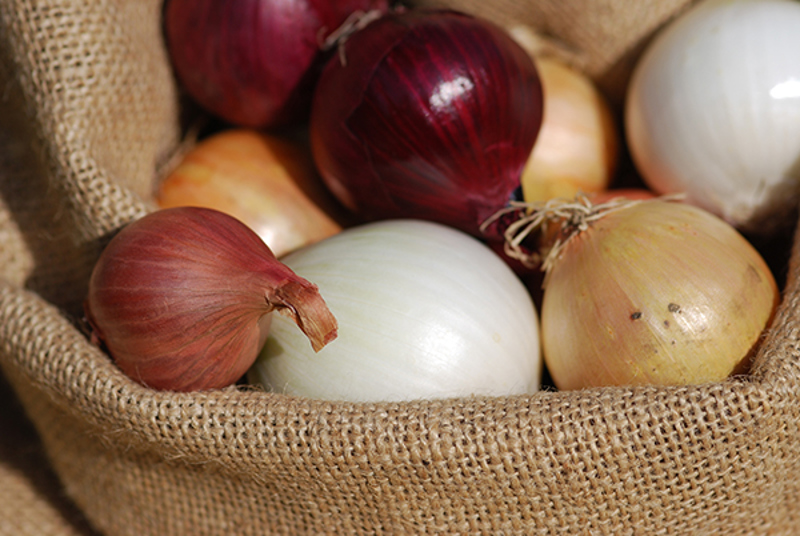
Harvest onions when the leaves wilt and flop over. Like garlic, yellowing leaves are a signal that they're ready, but the floppy leaves are the best indicator. Gently lift the onion out of the ground with a trowel, then cut the leaves off, leaving a generous few centimetres above the bulb. Leave them in a warm, sunny spot to dry out for a week or two. Once the skins and roots are dry, it's best to store them in wire baskets or mesh bags, in a cool dry spot.
Onions are extra-handy, as you can also harvest them when they're still young and use them as scallions, in the same way you would use spring onions.
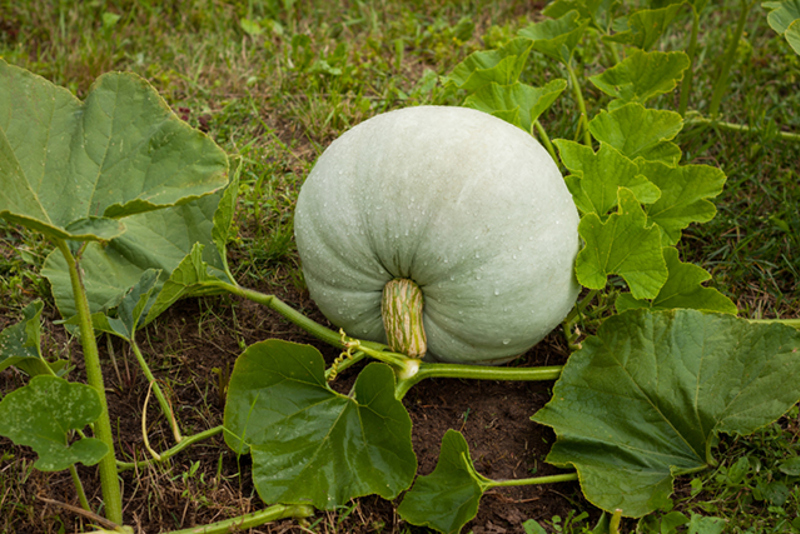
The first sign pumpkins are ready to harvest is the vine dying back – leaves will start to yellow and dry up. If the stem of the pumpkin is drying out, that’s another good sign. When the vine starts to die back, give the pumpkin a rap with your knuckle. A ripe pumpkin will make a hollow “ringing” noise.
You can also give it a thumbnail test – lightly press your nail into the skin. If it doesn’t leave much of a mark, the pumpkin is ready to harvest.
Cut the stems with a sharp knife but leave as much of the pumpkin stem attached as you can, and let it dry out.
Rest your pumpkins in the sun for a week or so to harden up, and then transfer to a well-aired spot for storage. Make sure the pumpkins aren’t touching one another in storage if you can.


Share
Share this article on social media