





Yates Nature's Way Pyrethrum Natural Insect Spray - Concentrate
Controls a wide variety of insect pests on vegetables, flowers and ornamentals.
Create a Yates account today!
Sign up to join the Yates Garden Club for monthly e-mails packed with seasonal inspiration, tips for success & exclusive promotions.
Plus if you’re a Garden Club member you can take part in the Yates Growing Community - a blog to share successes, get advice & win prizes in fun challenges along the way!

Enter the email address associated with your account, and we'll email you a new password.
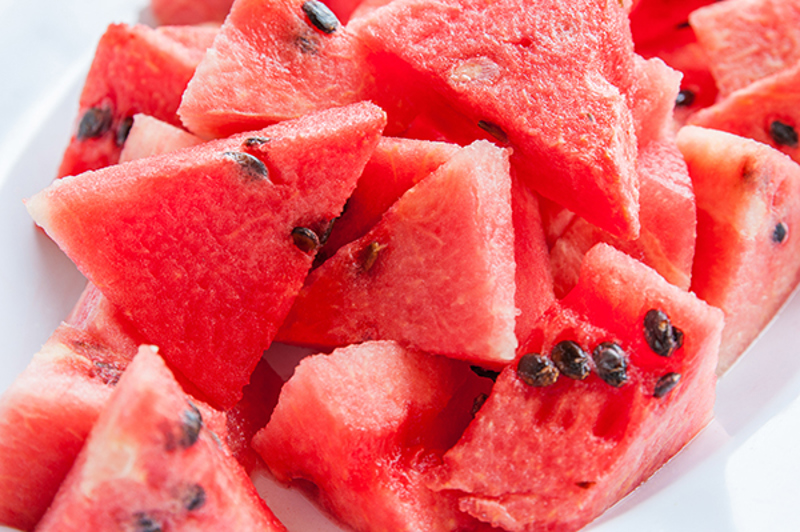
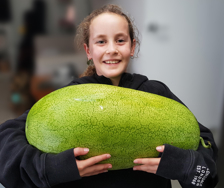
Cool, crisp juicy slices of watermelon on a sweltering hot day are the essence of summer. Watermelon's easy to grow at home, if you have a few spare square metres in a sunny garden bed. No room left? Try growing watermelon up a sturdy trellis, or over an archway. Train the vines up the supports, using soft ties to tie them on. As the melons develop they might need to be supported using slings made from pantyhose or hessian sacking.
Yates Watermelon Country Sweet is a high yielding variety with medium sized fruit with sweet, juicy red flesh.
Before planting watermelon seeds, enrich the soil with some Yates Thrive Natural Blood & Bone. Seeds can be sown direct into the bed. Sow a tight group of 3- 4 seeds together in mounds of moist soil, spacing the groups 1.5m apart. After the seedlings get established, thin (pluck out) the 2 weakest plants, leaving the 2 strongest to produce fruit.
Feed the plants regularly with fast acting Yates Thrive Flower & Fruit Soluble Fertiliser, to encourage strong vine growth. It contains extra potassium to encourage the watermelons to flower and set fruit.
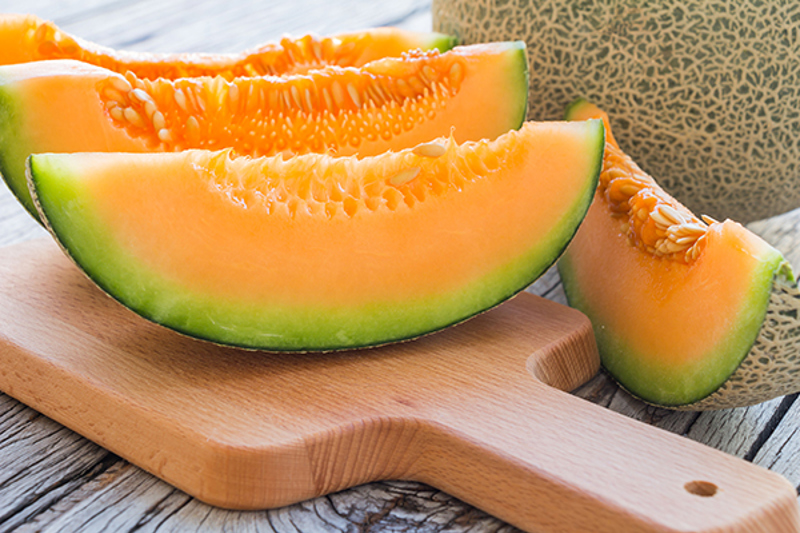
Rockmelon has luscious, sweet flavoured fruit that is deliciously versatile and can be used in sorbets, juices and fruit salads as well as savoury dishes like herb, rockmelon and prosciutto salad.
It’s easy to grow your own juicy rockmelon at home.
Growing Tips:
Sow Yates Rockmelon Hales Best seed 20 mm deep directly into a sunny garden bed that’s been enriched with some Yates Dynamic Lifter Organic Plant Food.
Rockmelon vines will trail over the ground, so you’ll need a bit of room (1 – 1.5 m between plants) however they can also be encouraged to grow up a trellis and the developing fruit supported with slings of pantyhose.
Feed rockmelon plants each week with Yates Thrive Flower Fruit Soluble Plant Food, which is rich in potassium to encourage lots of flowers and scrumptious fruit.
It’s also important to keep the soil moist, as drought stress can adversely affect the harvest.
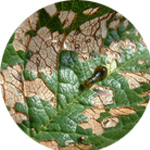
Keep an eye out for ‘pear and cherry slug’ on the leaves of pear and cherry trees during November and December.
These shiny black or brown slug like caterpillars are the soft skinned larvae of the glossy black sawfly and if not controlled they will quickly skeletonise the leaves.
Pear and cherry slug can also attack apples, apricots and plums and doesn’t discriminate between fruiting or ornamental pears and cherries. When the slugs have had their fill, they’ll drop off and burrow down into the soil to pupate and emerge as adults.
The adults fly up to lay eggs on the leaves for a second-generation attack in January. Pear and cherry slug can decimate the foliage on your trees. Control pear and cherry slug by spraying foliage thoroughly every 7 days with Yates Natures Way Natural Insect Spray Pyrethrum Concentrate.
It contains natural pyrethrin which is derived from the flowers of the pyrethrum daisy.
Protect your stone fruit trees like peaches, nectarines and plums from insect pests like leaf rollers, Oriental fruit moth and thrips with Yates Success Ultra Insect Control.
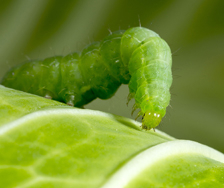
Leafroller caterpillars pull in and tie leaves around themselves with silken threads, then eat the leaves from within this shelter.
Oriental fruit moth lays eggs which hatch into caterpillars that bore into twigs and fruit, quickly ruining them.
Thrips are sap-sucking insects which can damage developing fruit.
Leaf rollers, Oriental fruit moth and thrips can all be controlled with fortnightly sprays of Yates Success Ultra Insect Control. The addition of Yates Spray Fix Wetting Agent into the sprayer mix helps the spray spread and stick onto leaves, to improve coverage.
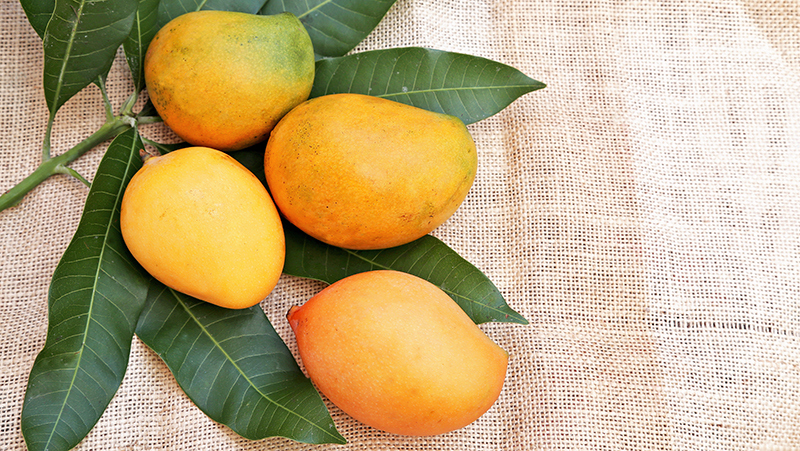
If you live in a tropical, sub-tropical or warm temperate area then you could grow one of the most delectable fruits around, mango.
There are now dwarf varieties available that grow to around 3-4 m tall, so even smaller gardens can include a mango tree. Best eaten in the bath (to catch all the juice!), mangoes love to grow in well drained, organic rich soil. They can take several years to produce fruit, so some patience is required!
Growing Tips:
Before planting a new mango tree, enrich the soil first by mixing in some Yates Dynamic Lifter Organic Plant Food.
Keep the new tree well-watered until it is established and feed regularly with a fast acting liquid fertiliser like Yates Thrive Citrus Liquid Plant Food to encourage lots of healthy new growth.
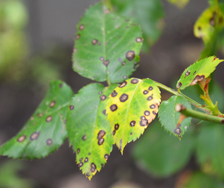
Disease control tip: Mangoes are susceptible to anthracnose, which is a disease that causes brown or black spots on leaves, stems and fruit. To control anthracnose, spray mangoes with Yates Nature's Way Fungus Spray every 4 weeks from the end of flowering to harvest.


Share
Share this article on social media