Summer Sunflower Monarch Thumb

Nature always surprises, and gardens provide plenty of weird and wonderful inspiration. Jaw-dropping secrets are lurking in every corner of our gardens!

Here are some fascinating plant facts, that we bet you didn't know.

  • A sunflower isn't just one flower. The sunflower looks like a huge flower head, but the fuzzy brown centre actually contains 1,000–2,000 individual flowers. Each of those individual flowers will produce a sunflower seed.
  • There are more microorganisms in a single teaspoon of soil than there are people on earth. It's aliiiiive! That fact might make you feel squirmy and uncomfortable, but microbes are critically important for providing nutrients to plants, which, in turn, feed you.
  • Plants really do respond to sound. Talking to plants to help them grow is a well-worn tale, but studies have shown vibration (like music, or the delightfully sweet sound of your own voice) can affect plant growth. The MythBusters (in an admittedly not-so-scientific study), compared a silent greenhouse to one where they piped in a voice soundtrack, and found that plants in the latter grew more.
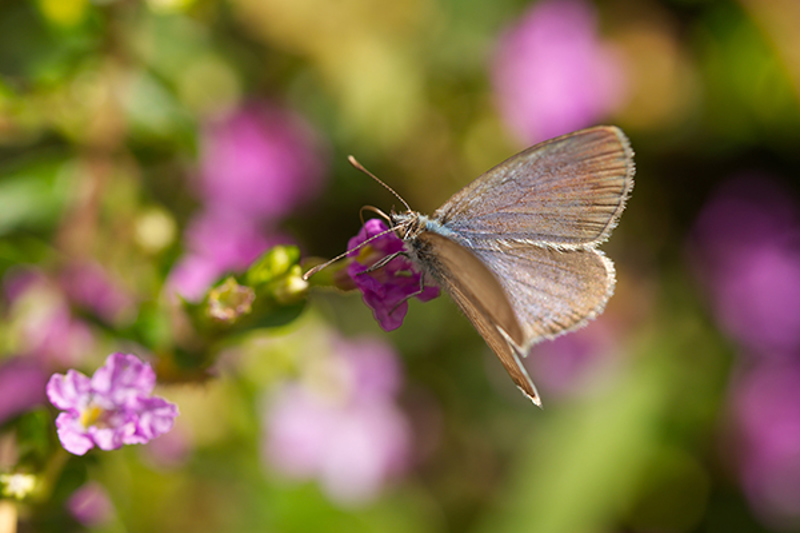
  • Butterflies might be keener to pollinate your weeds than your gorgeous flowers. Colorful blooms help to attract butterflies, but fragrance and nectar are also very important. According to the Smithsonian Institute, many new flower cultivars have been bred for enhanced color and size, but they've often lost their fragrance in the process. They'll attract butterflies from a distance, but the flowers don't deliver on their promise at closer range. Everyday weeds, like dandelions and clovers, don't disappoint hungry butterflies. Consciously choosing old-fashioned or heirloom flower seeds can encourage butterflies to fly your way.
  • Some of your favorite fruits are actually members of the rose family (Rosaceae). Apples, peaches, pears, cherries, raspberries and strawberries are all Rosaceae species, making them distant relatives to the long-stemmed, romantic rose.
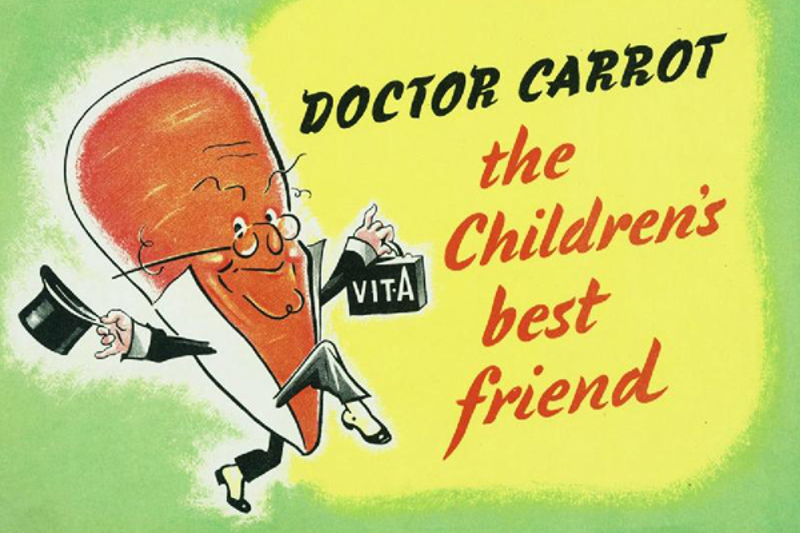
  • Have you ever been told carrots help you see in the dark? That's a fib that started during World War II, when the British Air Ministry wanted to keep their brand new radar a secret, so they claimed to be feeding RAF pilots with extra-large portions of carrots, to boost their night vision. Carrots surged in popularity overnight!
  • Where did winemaking originate? Archaeologists have uncovered evidence that grapes were being grown to make wine about 8,000 years ago in Mesopotamia (today's Iraq), although the ancient Egyptians were the first to depict the wine-making process, about 5,000 years ago.
  • The world's tallest-growing tree is the Coast Redwood (Sequoia sempervirens),which grows along the Pacific Coast of the United States.
  • The world's oldest tree isn't a Coast Redwood though; the record-holder is a Bristlecone Pine (Pinus aristata) named Methuselah, that's over 4,850 years old. Methuselah was a wee seedling back when our ancestors were inventing the first ever written language (which also happened in ancient Mesopotamia - there must have been a lot of clever people living there).
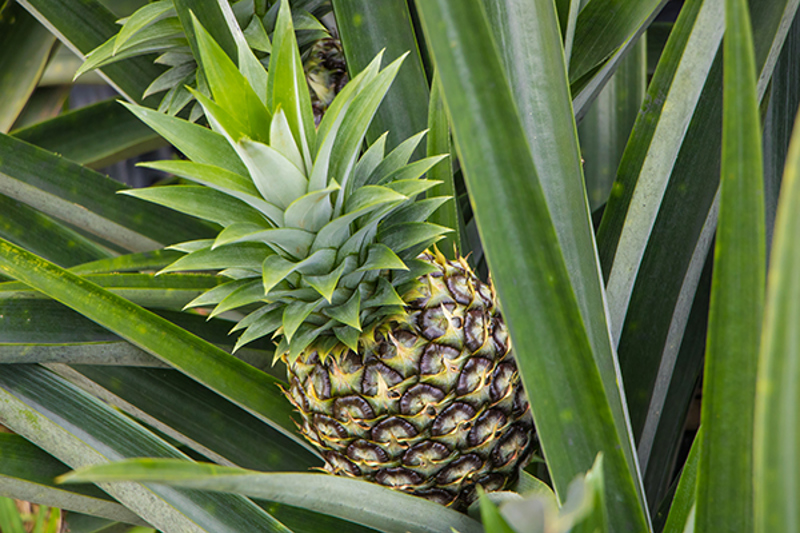
  • What fruit comes from the colourful bromeliad family? Pineapple! The word 'pineapple' comes from European explorers who thought the fruit combined the look of a pinecone, with flesh like an apple. Pineapples are the only edible members of the bromeliad family.
  • What flower was once more valuable than gold? During the 1600s, tulips became so valuable in Holland that their bulbs were literally worth more than gold. This investment craze, known as tulip mania, collapsed and crashed the entire Dutch economy! Fun fact: tulips can keep growing after being cut; as much as an inch per day. How's that for a return on your investment?
  • Where do vanilla beans come from? Vanilla flavoring comes from the pod of an orchid, Vanilla planifolia. Though the pods are called vanilla beans, they're not a bean at all.
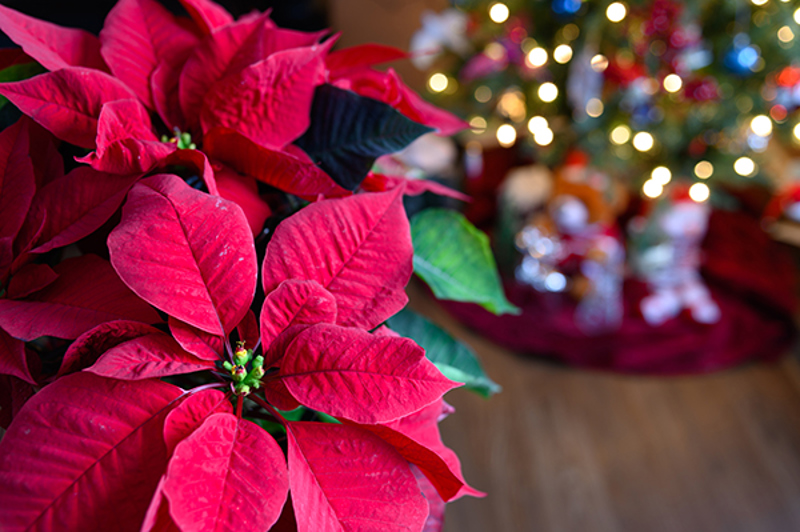
  • Where did Poinsettias originate from? They're native to Mexico, and were introduced to the United States in 1825 by the first U.S. minister to Mexico, Joel Poinsett (for whom the plant is named). Poinsettias are closely associated with Christmas, because in the Northern Hemisphere they turn a vibrant red colour in winter. In NZ, poinsettias need to be grown in chilled glasshouses, to encourage them to flower in time for the holiday season.
  • Did you know...from a botanical point of view, avocados and pumpkins are fruits, not vegetables. They're classified as fruits because they bear the plants' seeds. Rhubarb on the other hand, despite being in your dessert bowl, is very much a vegetable.
  • Have you noticed that cranberries float? Small pockets of air inside cranberries allow them to stay afloat, but that's not all: the air pocket means cranberries can bounce like little rubber balls if you drop them.
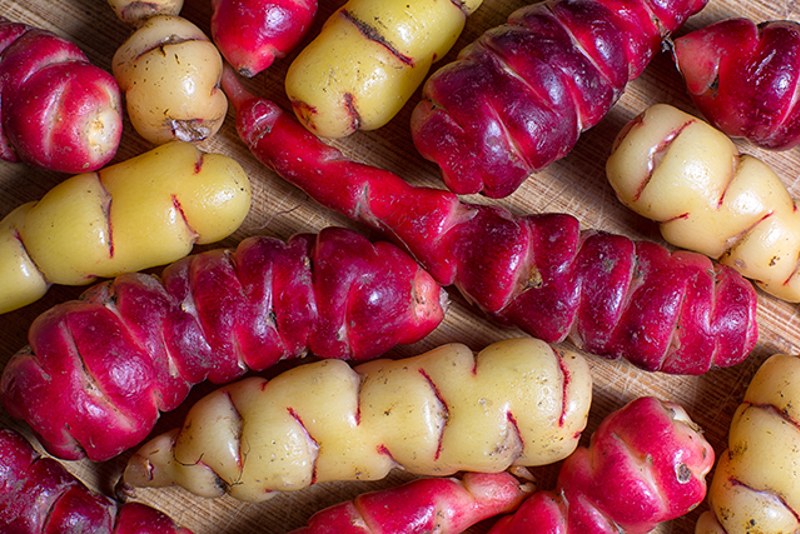
  • Confusingly, the vegetables we know as yams in New Zealand aren’t yams at all, according to the rest of the world! NZ yams are actually oca (Oxalis tuberosa), which originates from high altitudes in the Andes, in Peru. In a funny quirk of history, oca seems to have arrived here on whaling ships around the 1850s; everyone here loved it and the ‘yam’ name stuck.
  • What flower takes the crown for the largest in the world, and the stinkiest in the world? The Titan Arum (Amorphophallus titanium) is the largest unbranched flower in the world, reaching up to 4.5m tall. The bloom produces a smell like rotting meat, giving it the common name of 'corpse flower'. A similar smell emanates from Rafflesia, another plant that hails from the rainforests of Sumatra. Both plants developed their stenchy scent to attract flies to pollinate them, so they don't need to compete with other plants to attract butterflies and hummingbirds.
  • What flower resembles a dragon? That would be the beloved snapdragon! If you gently squeeze the sides of the flower, the fierce petal dragon's mouth snaps open and closed.
  • What's the difference between nectarines and peaches? Not much! It's simply that nectarines don't have fuzzy skins. You can even graft peach branches onto a nectarine tree (or vice versa), so you have both types of fruits on a single tree.
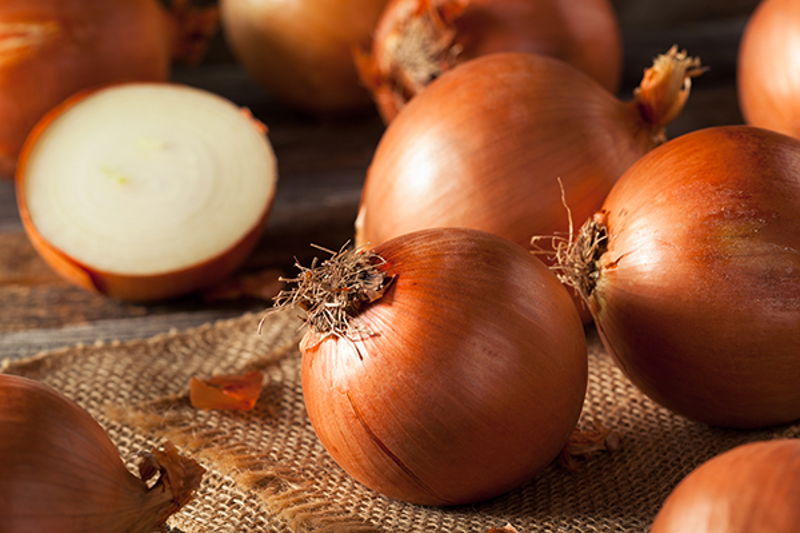
  • Why do we cry when we cut onions? Sulfuric compounds in onions are to blame for bringing tears to your eyes. To reduce the tears, many cooks chill their onions and slice from the top down, leaving the root end until last.
  • What fruit has its seeds on the outside? A strawberry is the only fruit that forms seeds on the outside. An average strawberry fruit has about 200 seeds. 
  • What are the oldest living tree species? The Ginkgo (Ginkgo biloba) dates back to about 250 million years ago. Dawn Redwood (Metasequoia glyptostroboides) is also ancient; it's hardly changed at all for 150 million years. Both species had been identified in fossil records before living examples were found by botanists!
  • Not all nuts are nuts! Peanuts aren't nuts at all, they're legumes...which means they're related to beans and lentils. To make up for it, peanuts contain more protein, niacin, folate, and phytosterols than any true nut, according to the U.S. National Peanut Board (yep, there really is a National Peanut Board).
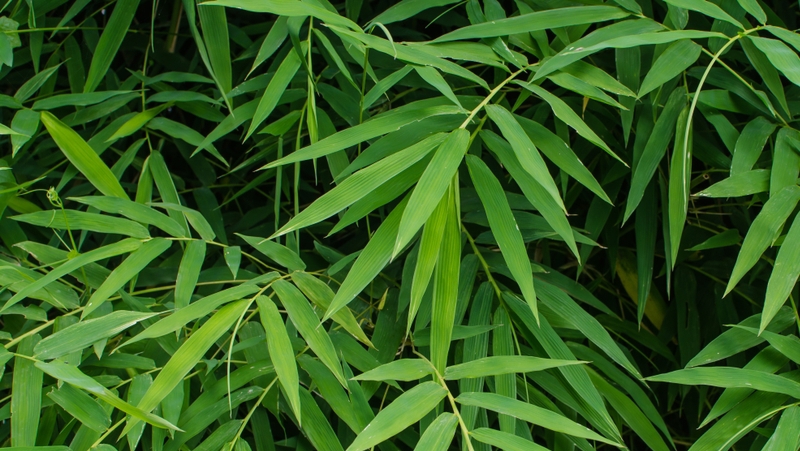
  • What's the fastest-growing woody plant in the world? Bamboo! It can grow up to 88cm in a single day.
  • The right orchid combination can smell like dessert. "An oncidium hybrid called 'Sharry Baby' smells like chocolate," says George Hatfield, president of the Santa Barbara Orchid Show. "Its 'baking cookie' aroma has made it a winner." In contrast, the cymbidium 'Golden Elf' smells lemony, and Phalaenopsis violacea has a cinnamon scent. "Just like you combine jellybeans to create new flavors, you can combine orchids to create a garden that smells like a dessert buffet," says Hatfield.
  • A 'wishbone' flower might sound silly, but it's a real thing. Torenia, a shade-loving annual, has unique, crazy-looking wishbone-shaped stamens protruding from its pretty petals.

More Project Guides & Articles

Garden Facts & Trivia

Enjoy some jaw-dropping secrets and quirky facts about plants and gardening. Keep an eye out for these during your next trivia event!

Flowers for Gorgeous Colour

Introducing some of our favourite vibrant colours, to suit your garden palette - a cornucopia of hues for you to choose!

Frost Protection

Some quick and easy tactics to protect your vulnerable plants from frost damage, with how to make simple cloches and temporary covers for seedlings, garden beds and trees.