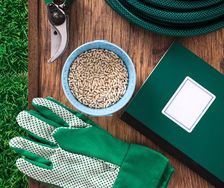





Yates Dynamic Lifter Organic Plant Food
Releases nutrients slowly, improves the structure and moisture retention of the soil and encourages earthworms and beneficial soil micro-organisms.
Create a Yates account today!
Sign up to join the Yates Garden Club for monthly e-mails packed with seasonal inspiration, tips for success & exclusive promotions.
Plus if you’re a Garden Club member you can take part in the Yates Growing Community - a blog to share successes, get advice & win prizes in fun challenges along the way!

Enter the email address associated with your account, and we'll email you a new password.
Soil is much more than just ‘dirt’. Structurally, soil is a mixture of mineral particles and organic matter, with water and air moving through it. That structure provides a home for a host of microorganisms, that share the soil around your plant roots.
In nutrient-rich, healthy soil, plants and microbes cooperate to feed each other, so it’s fair to say that soil is the foundation of life in your garden!
But, not all soils are created equal! Soil types vary in natural fertility; the most fertile soils are the ones that provide a comfortable habitat for microbes. These fertile soils tend to have an open structure that allows water and oxygen to move freely (but not too freely), plus they contain plenty of organic matter.
The most challenging soil types for gardeners to work with are heavy clay, and very sandy soil - opposite extremes! Clay particles are extremely small, so they can lock together tight enough to prevent easy movement of water, oxygen and nutrients. Sandy soil has much larger particles, that don’t hold on to water or nutrients very well. Loam soils are the sweet spot in the middle, providing the best conditions for microbes and plants to thrive.
The good news? No matter what type of soil you have, you can improve its fertility.
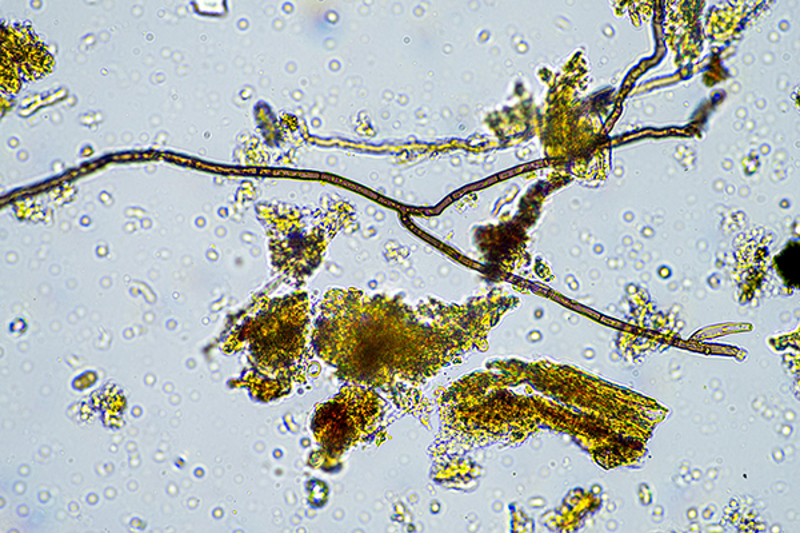
Soil microorganisms, viewed with a microscope
The soil area immediately around a plant's roots is called the rhizosphere. The rhizosphere of a healthy plant is especially rich with microbial life. These microbes cooperate with the plant, by breaking down nutrients so they're available in a form plants can absorb. Plants can make their own food from the sun, but they can’t convert essential nitrogen by themselves, they rely on microbes to do it for them. Plants depend on soil microbes to survive!
When you improve garden soil, these busy soil organisms are quick to move in. The easiest method? Add plenty of compost, then supercharge the compost with Yates Dynamic Lifter Organic Plant Food. The compost improves living conditions for microbes, by allowing oxygen and water to penetrate soil, and supplying a gradual source of nutrients. The Yates Dynamic Lifter adds an extra boost to get the microbial community fizzing, along with plant-available nutrients to 'kick-start' plants without burning their roots. It's made from a rich blend of composted chicken manure, blood and bone, fish meal and seaweed, to deliver better root growth, stronger plants and more flowers and fruit. Just mix Yates Dynamic Lifter into your soil by turning it over with a garden fork, or pop a handful into the bottom of a planting hole.
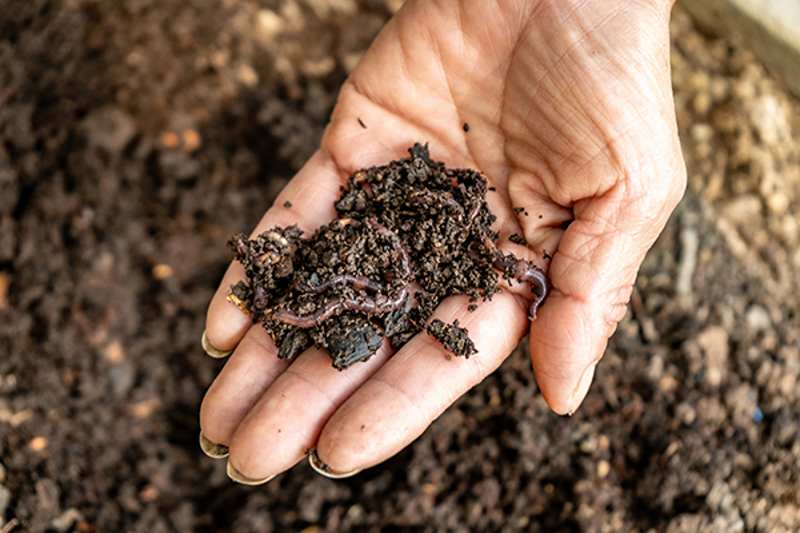
Clay is hard work - it seems to swing between being completely waterlogged, or as hard as concrete! Clay is made up of extremely fine particles, that pack together in a dense mass that makes it difficult for oxygen and moisture to permeate through it. The bad news: lots of beneficial microbes are aerobic (they need oxygen to survive) so clay stereotypically doesn't have much microbial activity going on. The good news? Clay is rich in plant nutrients, so it has great potential for productive garden soil, with some work to improve its texture.
Heavy clay soil shouldn't be dug when it’s saturated, as this can compact it and make a real mess of the structure; wait until it dries out a little. Lots of gardeners prefer not to dig or disturb their soil at all, but it's worth making an exception for clay! Adding organic matter to clay is the key to improving it. This helps to bind the clay particles into larger crumbs, opening up the porosity and structure. This increases aeration and drainage, which encourages more microbial biomass, which in turn makes it easier for plant roots to penetrate, and access nutrients.
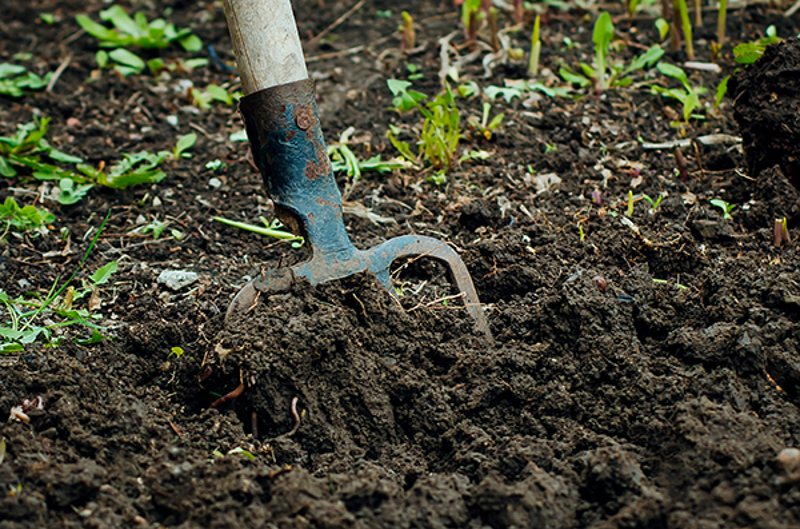
If your garden is on heavy clay, it’s really important that you amend it before putting new plants in; to avoid disturbing their roots. It's best to plan ahead for this job, because soil improvements can take time to bed in. Expect the process to take anywhere from 4-6 weeks, or longer depending on the overall condition of your soil.
Gypsum is another key tool to improve clay soil. The calcium content in gypsum interacts with clay particles in a process called 'flocculation', which causes the tiny clay particles to stick together to form crumbs. These crumbs increase porosity (for a more 'open' soil texture), which allows better air, water and nutrient penetration and movement through the soil. You can also use garden lime to break up clay soil, but gypsum has a big advantage: unlike lime, gypsum is pH-neutral, meaning it won't significantly alter the soil's acidity or alkalinity.
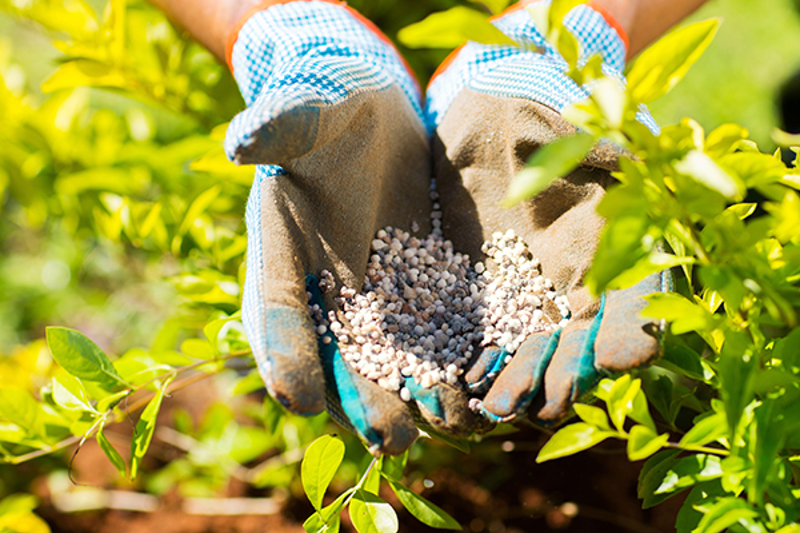
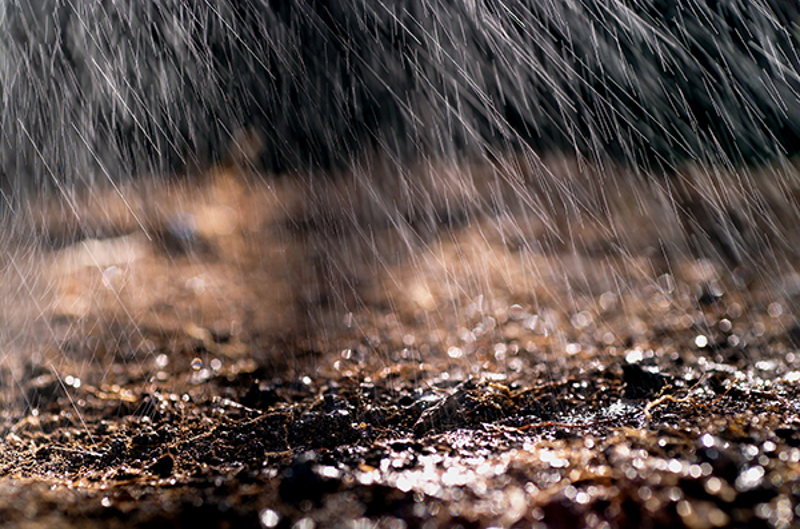
Sandy soils have large spaces, called pore spaces, between their particles. This means they drain readily, have good aeration and are easy to cultivate. They're often called ‘light’ soils. However, very sandy soils usually don't retain water or nutrients for very long.
It's very common for sandy soil to lack organic matter. Regularly adding compost will boost the soil's nutrient and moisture holding capacity, while improving its structure. Organic matter also encourages increased populations of earthworms and beneficial microorganisms. Don't be shy about adding extra sources of organic matter like Yates Dynamic Lifter Organic Plant Food, to speed up the soil improvement process.
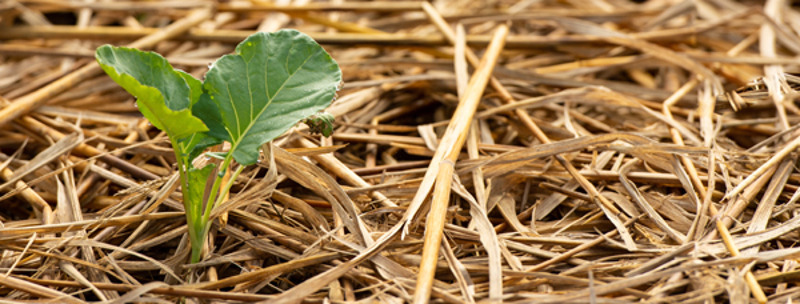
Once you get the soil right, the rest of the job is pretty easy. To plant, dig a hole twice as large as the plant's pot. Add a big handful of Yates Dynamic Lifter Organic Plant Food into the hole, place the plant, add enough potting soil to fill the hole, then firmly push the soil down around the plant to compress it.
Always mulch and water well after planting out. Using organic mulches, like bark chips, sugarcane or pea straw, also helps to gradually improve the soil. Mulch reduces moisture loss, helps protect the top layer of soil from the elements and as the mulch breaks down, it adds organic matter to the soil. Reapply the mulch as needed, to keep the soil covered.


Share
Share this article on social media