






Winter can be hard on plants, especially in colder regions. Even in the warmer areas of NZ, plants can find the winter months tough going. Growth slows right down and problems become a lot more noticeable when plants are in a cold-weakened state.

There are lots of practical methods to help your garden cope with freezing temperatures; here are some of our favourites.

  • Move potted plants, especially warmth-lovers, into more protected spots. A verandah or porch is good. If cold-sensitive plants are planted out in the garden or pots are too heavy to move, cover them with a frost blanket and remove it the next morning.
  • Indoor plants should also be protected from the cold. Move plants away from window glass (it can radiate cold on frosty nights) and chilly draughts coming in under doorways. Lots of indoor plants originate from tropical climates; they don’t appreciate being exposed to low temperatures!
  • Feed plants with potash-rich Yates Thrive Natural Fish & Seaweed+ Plant Food to build up their strength before winter.
  • Reduce watering of potted plants. They don't need nearly as much water when the weather cools down. Before you water, take the chill off tap water by adding a little hot water to your watering can. It shouldn’t feel warm – just slightly tepid to the touch. Lukewarm water doesn’t shock the roots as much, so it reduces stress on the plant.
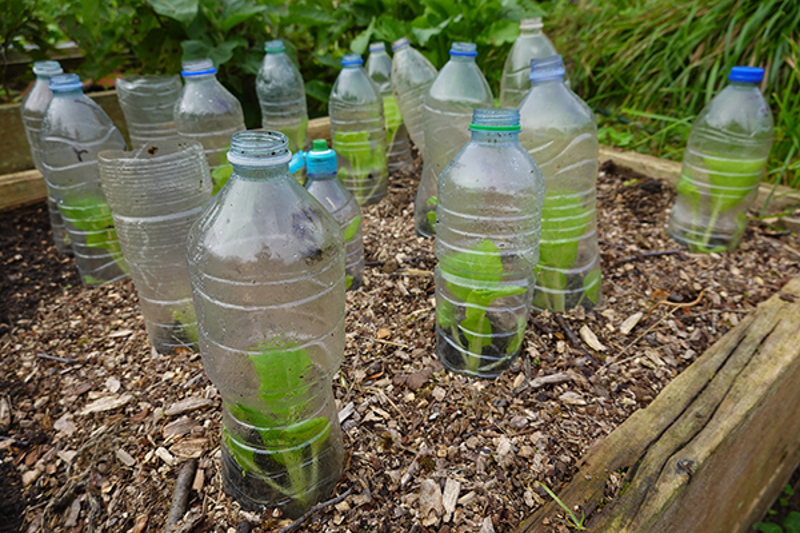
  • Protect small seedlings on frosty nights by creating cloches out of plastic soft drink bottles, with the bases cut off. Leave the lids off, to avoid your seedlings overheating if the sun falls on them.
  • Keep garden soil moist during frost season, as wet soil absorbs and retains heat better than dry soil. In fact, very dry soil can make frost damage worse, because its temperature drops faster.
  • Applying Yates Thrive Natural Seaweed at 2-weekly intervals through frost season can improve tolerance to freezing weather, for plants and trees. A hard frost can freeze the water in plant cells, which dehydrates and ruptures them; next morning, if the plants thaw too quickly the damage can get worse. Misting frost-bitten plants with seaweed (early in the morning, before the sun begins to warm them) can help them thaw gently, reduce cell damage and assist recovery.
  • Don’t be tempted to prune off any frost-damaged foliage until the risk of frost has passed, as it can encourage vulnerable new growth to form. Also, the dead or damaged foliage helps to protect the healthy growth underneath.
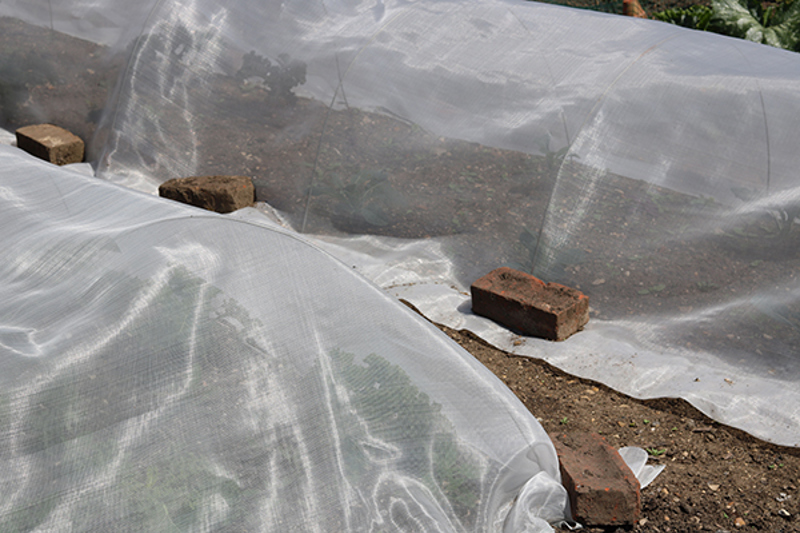
  • Cover sensitive plants with frost or shade cloth. You can construct a temporary cloth cloche with a frame to hold the cloth up, to make a protective tent over your plants. Make sure that the cloth reaches to the ground around all the edges. Bricks or pavers are a handy way to weigh down the edges of the cloth on the ground. Make sure the cloth isn't directly touching your plants, there needs to be air space between them.
  • Moist soil is good, but saturated soil is not! If your soil doesn't drain well, your plants can really struggle through winter. In heavy soil, it helps to repeatedly push in a garden fork to make lots of vertical holes. It's also a good idea to create surface drains to carry away excess rainfall. Apply gypsum to clay soil, where possible. Gypsum has a miraculous effect on most clay soils; it binds particles together, allowing air to get into the spaces between the particles and helping excess water to drain away.
  • Mulch makes a good insulator to slow down temperature fluctuations and hold moisture, but don't over-do it. Very deep layers of mulch on soil can lock in the cold and damp right through winter. If you make sure winter mulch stays under about 10cm in thickness, oxygen can still penetrate and sunlight has a chance to warm up the soil. Also, don't allow mulch to pile up against plant stems, always leave an air gap between trunk and mulch.
  • Prepare planting holes for new roses and fruit trees by digging compost, well-aged manure and Yates Dynamic Lifter Organic Plant Food into the soil.
  • Fortunately, in our climate, winter gardens don’t need to be dull! Pansies and violas are brilliant to add pops of colour to a bleak garden bed. There are also plenty of potted colour varieties for winter planting; polyanthus will give you pretty, cheerful flowers all through winter. They bloom in a wide range of colours – bright blues, pinks, yellows, cream and white. They’ll grow in light shade or full sun and, if the following summer doesn’t get too hot, they’ll produce an encore performance next year!

Related Products

Yates Gypsum Clay Breaker Soil Improver Granules

A clever blend of gypsum, zeolite, lime and molasses, designed to help break down heavy clay and hard-to-dig soil. It opens up soil structure, improving drainage, plus water and oxygen penetration.

Yates Thrive Natural Seaweed

A seaweed tonic for plant and root health, to improve plant resistance for protection against drought and frosts. Ideal for soaking plant roots, to reduce stress from transplanting.

Pansy 'Giant Supreme'

A cheerful blend of large blooms in bold, bright colours. Pansies are perfect for adding splashes of colour over Winter.

Viola 'Sorbet Violet Face'

Masses of charming little flowers, with deep purple petals in contrast with crisp white faces, sketched with darkest purple. A vigorous and hardy performer.

More Project Guides & Articles

Frost Protection

Some quick and easy tactics to protect your vulnerable plants from frost damage, with how to make simple cloches and temporary covers for seedlings, garden beds and trees.

Winter Garden Protection

Our favourite tips to get your garden through freezing weather this winter: how to boost plant resilience, protect from frost damage, then help them recover.

Growing & Cooking Asian Greens

Get tasty Asian-style vegies into your meal repertoire; they're quick to prepare, delicious, and it's easy to grow them at home. Here are some cooking tips to try out!