







Yates Iron Chelate
Fast acting liquid that corrects iron deficiency, common in camellias, azaleas and other acid loving plants as well as citrus, roses and vegetables.
Create a Yates account today!
Sign up to join the Yates Garden Club for monthly e-mails packed with seasonal inspiration, tips for success & exclusive promotions.
Plus if you’re a Garden Club member you can take part in the Yates Growing Community - a blog to share successes, get advice & win prizes in fun challenges along the way!

Enter the email address associated with your account, and we'll email you a new password.
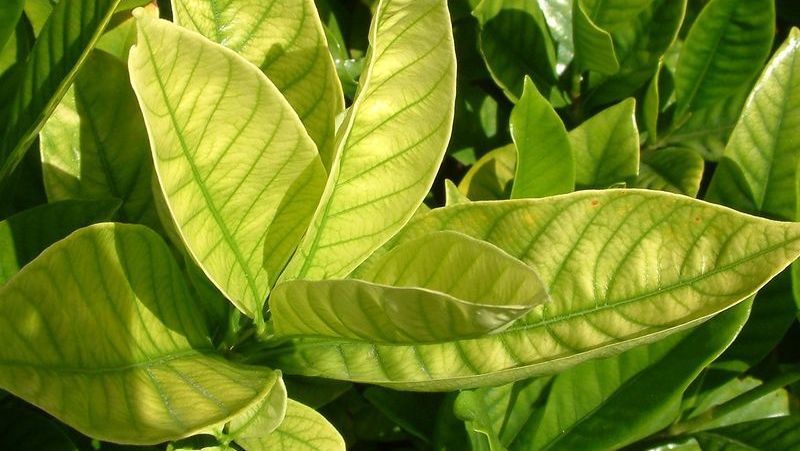
Iron deficiency is a plant disorder, which can be easily confused with manganese deficiency. Iron deficiency can be caused by a lack of nutrients in your soil, and worsened by long periods of rainfall or excessive watering.
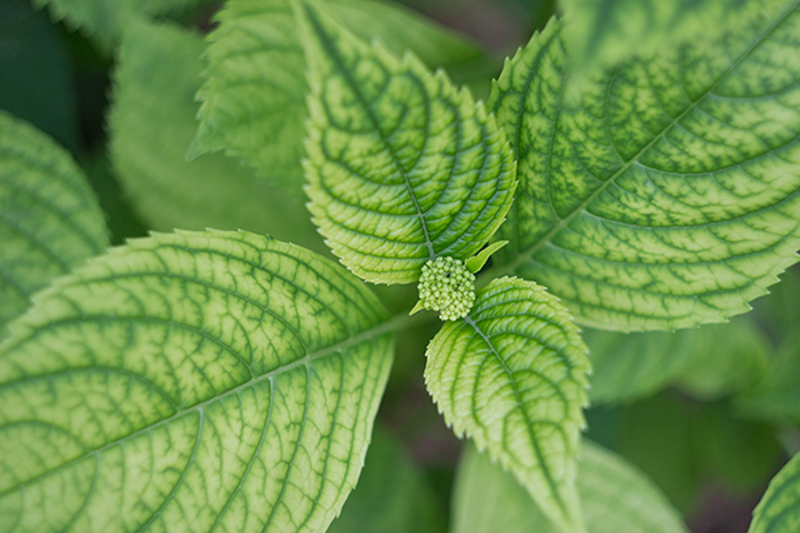
Iron is essential to produce chlorophyll in plants, which explains why its deficiency usually shows up as yellowing of the youngest leaves (chlorosis), especially on the veins. If there’s a shortage of iron, the plant can’t produce enough chlorophyll to stay green: severely affected leaves can turn completely white.
This problem is common in camellias, azaleas and other acid-loving plants, as well as citrus and roses.
It’s worth testing soil pH if you suspect an iron deficiency, as alkaline soil pH can 'lock up' iron and prevent plants from absorbing it properly…testing will indicate if the pH level is the underlying problem.
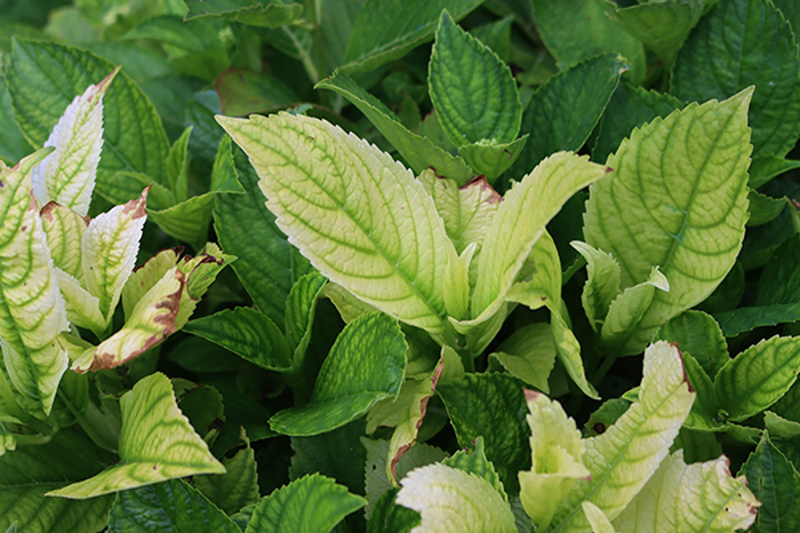
Leaves turning yellow or brown in the margins between the veins (which may remain green), while young leaves may appear bleached.
Yates ‘Leaf Greener’ Iron Chelate is our go-to product to fix an iron deficiency. Applied as a foliar application, it delivers iron directly to the deficient leaves for faster results. Foliar applications add less iron into the soil, compared to traditional soil drench applications, which means less wastage and lower risk of soil toxicity.
If you discover alkaline soil is the underlying issue, Yates Liquid Sulfur ‘Soil Acidifier’ is an easy and effective method to reduce and maintain soil pH. It's also an excellent source of elemental sulfur.


Share
Share this article on social media