


Yates Copper Oxychloride Fungicide
A time-honoured fungicide that controls a wide range of fungal and bacterial diseases on fruit, vegetables and ornamentals, providing protection against pathogens.
Create a Yates account today!
Sign up to join the Yates Garden Club for monthly e-mails packed with seasonal inspiration, tips for success & exclusive promotions.
Plus if you’re a Garden Club member you can take part in the Yates Growing Community - a blog to share successes, get advice & win prizes in fun challenges along the way!

Enter the email address associated with your account, and we'll email you a new password.
Elsinoë fawcettii
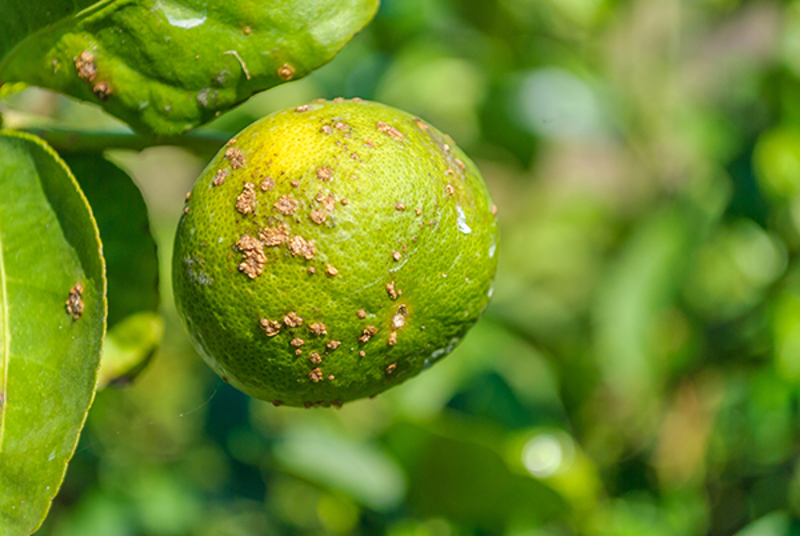
Also known as verrucosis or citrus scab, this fungal disease causes raised roughened scabby, warty lesions to form on the outside of the fruit. Although this ruins the zest for cooking purposes, the inside of the fruit and the juice aren't affected.
It's best to control this disease, because it gradually reduces the vigour of the tree. Damp, cool weather encourages the fungal spores to spread. It’s best to adopt a preventative approach to control verrucosis, with a regular spray program.
Citrus are very hungry trees; regular feeding with Yates Thrive Citrus & Fruit Granular Plant Food helps them tolerate the weakening effect of verrucosis.
During hot, dry weather, it helps to water deeply and regularly around the root zone to help your citrus resist verrucosis; trees suffering from water stress are much more susceptible to it.
Rough corky-looking patches appear on the fruit, less often on stems and leaves. Premature fruit drop often occurs.
Scab symptoms may be visible on foliage, but most often it's the fruit that's affected.
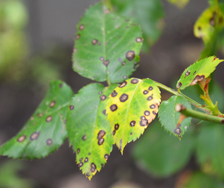
Leaves can develop water-soaked spots that turn into yellow lesions. A classic symptom is raised, warty-looking bumps on young leaves, that typically turn grey or pinkish and darken with age.
Spray with Yates Copper Oxychloride before flowering, and after petal fall, at 3-4 weekly intervals until harvest.


Share
Share this article on social media