
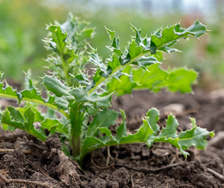




Passionvine Hoppers
Passionvine hoppers greedily suck the sap (and the vigour) out of your plants. You'll usually see them on the tips of stems and leaves. Here's how to identify and control them in your garden.
Create a Yates account today!
Sign up to join the Yates Garden Club for monthly e-mails packed with seasonal inspiration, tips for success & exclusive promotions.
Plus if you’re a Garden Club member you can take part in the Yates Growing Community - a blog to share successes, get advice & win prizes in fun challenges along the way!

Enter the email address associated with your account, and we'll email you a new password.
Septoria spp.
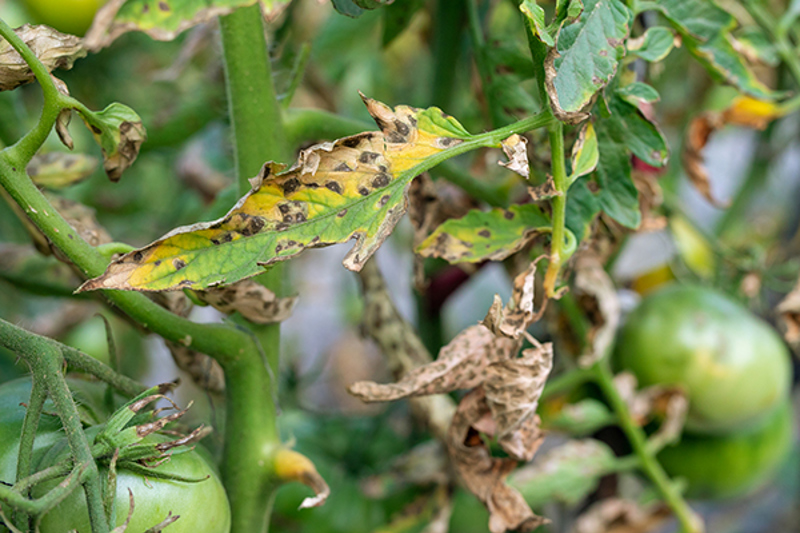
The name describes a widespread range of fungal diseases caused by species from the Septoria genus. Septoria is most common in humid conditions with prolonged wet weather.
The species of Septoria commonly found in home gardens are host specific, so Septoria lycopersici only affects tomatoes, Septoria passiflorae attacks passionfruit, while Septoria apiicola prefers celery. The fungal spores are spread by water splashes and insects.
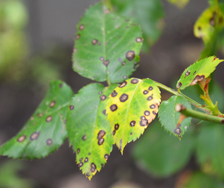
Septoria symptoms can vary between plants, but generally begin as small dark leaf spots that grow and spread. Spots have reddish-brown margins and tawny light brown to pale grey coloured centres. The spots may join up to form large blotches. Fungus fruiting bodies may be visible as small black dots on the spots.
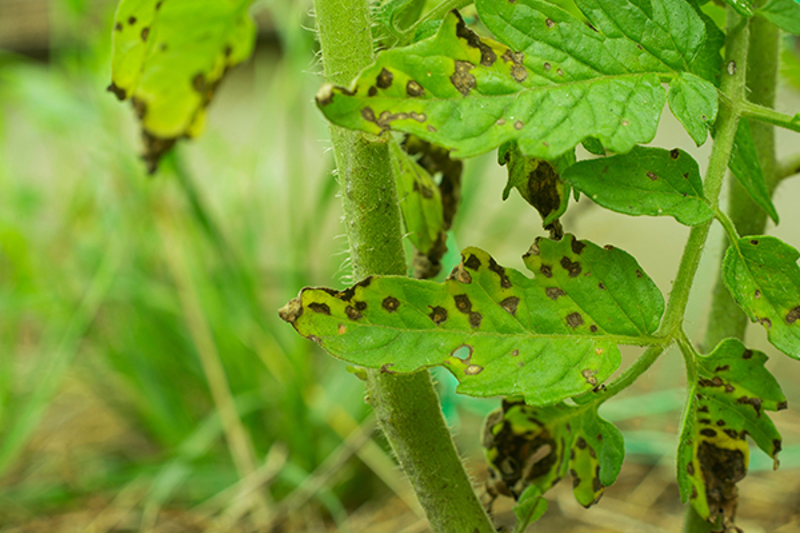
In midsummer during rainy periods, numerous small dark spots appear on the lower leaves and spread upwards, towards the new growth. Spots can develop light brownish centres. Black specks (these are the fruiting bodies, or 'pycnidia' of the fungus) may be visible in the spots. The spots can expand and if they’re left untreated, cause leaves to yellow, wither and drop off.
Tomato fruit don’t show symptoms (black spots on tomato fruits are caused by anthracnose). Although the fruits of affected plants remain edible, the disease severely weakens tomato plants, so fruit quality and quantity may be compromised.
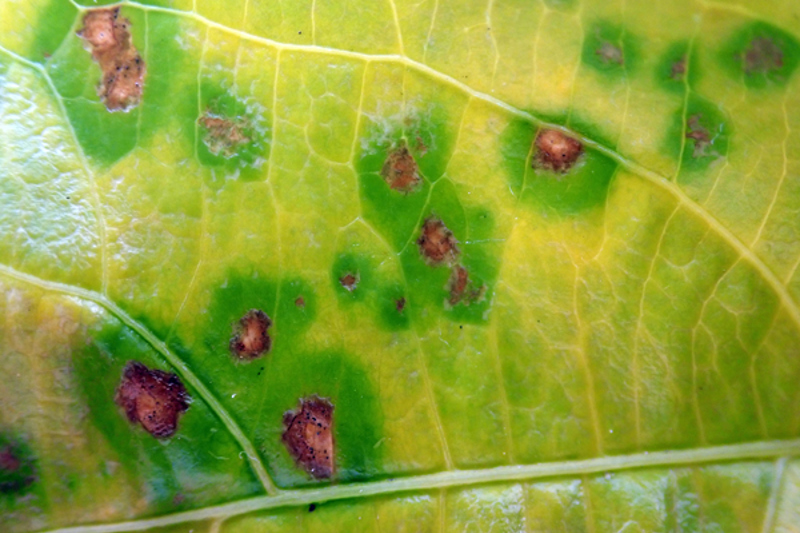
Lesions on a passionfruit leaf, showing the 'pycnidia' fungal fruiting bodies
Symptoms begin with small, light brown spots stippling passionfruit leaves, stems and fruit. Spots can also be surrounded with brown rings (halos) of dead tissue. Tiny black dots (fungal fruiting bodies, that produce spores) may be visible on the spots.
On fruits, Septoria spots develop into larger patches, eventually covering most of the surface area. Symptoms on fruits can look very similar to brown spot (Alternaria passiflorae), but Septoria spots aren’t as sunken-looking or wrinkly as Alternaria spots. Although affected passionfruit pulp remains edible, it may ripen unevenly.
To control leaf spot, apply Yates Nature's Way Fungus Spray at 10-14 day intervals.
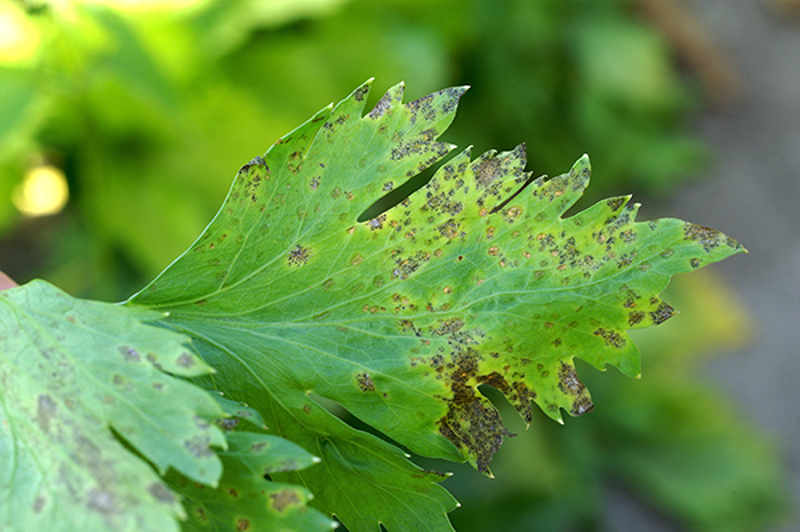
Small brown spots begin on the outermost lower leaves, then spread to the rest of the plant, including the stems. The spots can combine and enlarge, causing entire leaves to collapse and wither.
Remove all diseased plants. Practice crop rotation, avoiding planting in the same spot for 3-4 years. Avoid overhead watering and ensure there’s enough spacing between plants. Treat the disease with a suitable fungicide as soon as you see it, then continue to repeat treatments regularly, while conditions remain moist and humid.
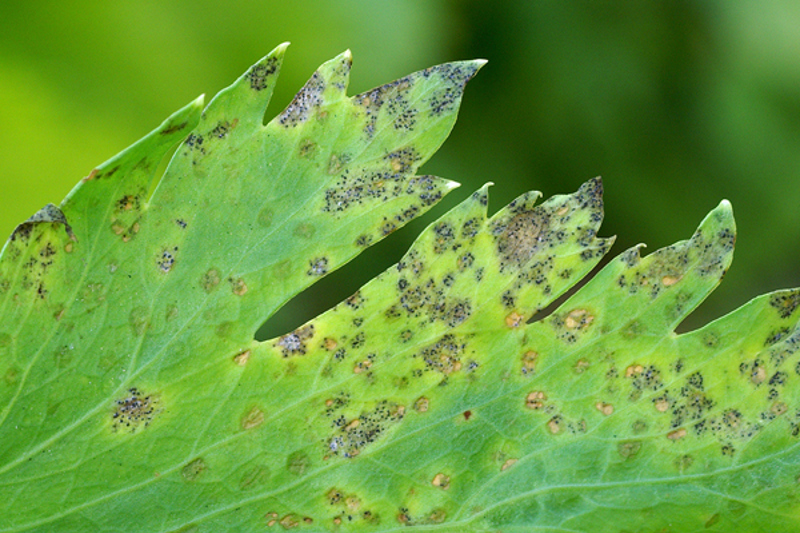
Lesions on a celery leaf, showing the 'pycnidia' fungus fruiting bodies


Share
Share this article on social media