


Problem Solver Overview 1

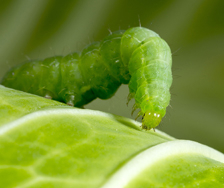
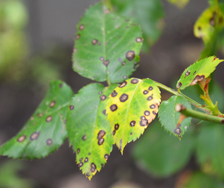
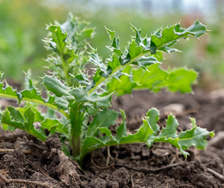
Search for a solution by browsing through the Problem categories below. You'll find images of common pests, weeds, diseases or damage, to help you identify the problem.

Once you've made a diagnosis, we'll introduce you to the best solution.


Something to Think About...

Not all plant problems are caused by insects or diseases. Lots of plant problems share similar-looking symptoms, so it's worth eliminating the other possibilities, before you settle on the cause. For example, sometimes the underlying reason for discoloured or stunted foliage is a nutrient deficiency...or even too much of a particular nutrient.

Before you jump to a solution that might kill your plants with kindness, consider these tips:

  • First, search for evidence of insect pests, or disease. If you've seen the culprit, you can be confident in your diagnosis.
  • Foliage discoloration and stunted plants can be caused by waterlogged soil (drainage might be poor, or the soil could be compacted).
  • Extremely cold (or hot) temperatures will slow down plant growth. Bad weather events can have a drastic effect on flowering, which can reduce your harvest.
  • Too much fertiliser can injure plants! Too much of a good thing can cause 'fertiliser burn', which shows up as dehydrated, wilted or crispy plants.
  • Like humans, plants require a mix of nutrients to stay healthy. The most important plant nutrients are called macronutrients. Plants extract these from soil; when macronutrients become depleted, gardeners need to top up their soil with fertiliser.
  • The 'big three' macronutrients are nitrogen, phosphorus and potassium (N-P-K). In plant nutrition, NPK plays a roughly similar role to carbs, protein and fat for humans, so it pays to be generous with plant food. Most fertilisers contain a well-balanced ratio of these nutrients, so if you stick to the label instructions your plants will be happy.
  • Nutrients that plants only need in tiny trace amounts are called micronutrients. For plants, these play a similar role to vitamins for humans. It's common for sad-looking plants to be suffering from a micronutrient deficiency, so sometimes applying a plant tonic can make worrying symptoms go away.

Articles

Safety in the Garden

Gardening is relaxing, enjoyable and a great form of exercise, but it does have some risks to be aware of. We share some tips to keep you safe from common injury hazards and health risks.

How to read a Pesticide Label

Pesticide label directions should be followed at all times. They show what the product is and how to use it safely and effectively. Here's how to read a pesticide label.