




Yates Mavrik Insect & Mite Spray - Concentrate
Controls a broad range of insect and mite pests.
Create a Yates account today!
Sign up to join the Yates Garden Club for monthly e-mails packed with seasonal inspiration, tips for success & exclusive promotions.
Plus if you’re a Garden Club member you can take part in the Yates Growing Community - a blog to share successes, get advice & win prizes in fun challenges along the way!

Enter the email address associated with your account, and we'll email you a new password.
Lepidoptera / Noctuidae
Helicoverpa armigera conferta
(Previously known as Heliothis armigera)
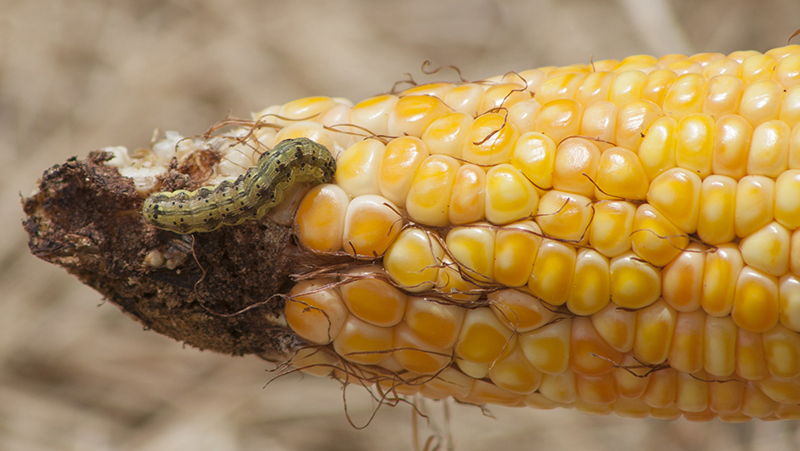
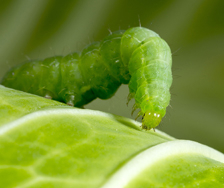
Found throughout New Zealand, the corn ear worm is a caterpillar that chews holes into corn husks and bores its way into cobs. They can cause a lot of damage and defoliation when their population builds up.
The name of these little blighters can be a little misleading, because corn ear worms actually feed on a very wide range of host plants.
To add to the confusion, when feeding on sweetcorn they’re commonly called corn earworm; but when feeding on tomato fruit, they’re commonly referred to as tomato fruit worm. Overseas, these names describe different species, but here in NZ it’s exactly the same miscreant causing the trouble in both cases.
The caterpillar that causes all the damage is the larva of a nondescript-looking nocturnal moth. Because these ochre-brown moths are usually found in the tropics, their range in NZ is partly constrained by frost. Unfortunately, the moths are capable of long-distance flight so they'll rapidly expand South during periods of warm weather.
Caterpillars range in colour from light green, to red, to almost black. They often have light-coloured stripes along their backs and sides. These pests pupate below ground to make it through the winter, before emerging as adult moths between November and March.
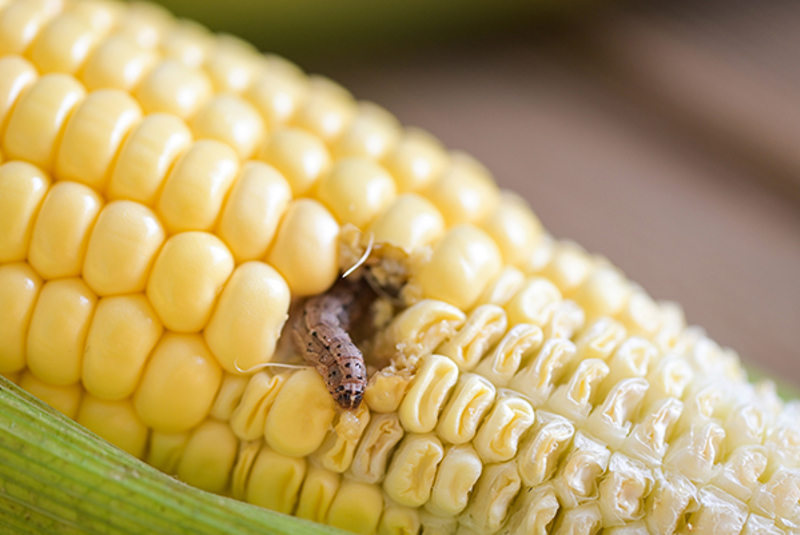
In corn and maize, the most serious damage occurs when the larvae chew their way inside the husks and begin munching through the corn kernels and silks. To add insult to injury, the caterpillars leave behind moist cast-off skins that encourage fungi to grow, creating an opportunity for diseases to get established inside corn cobs.
Frass (caterpillar faeces) is usually visible where the caterpillars have been feeding. These granular droppings can be brown or green in colour.
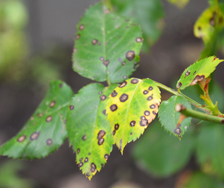
Heavy infestations of caterpillars can cause substantial leaf damage or defoliation of trees.
Plants may become yellow and exhibit stunted growth as an effect of these caterpillars feeding.
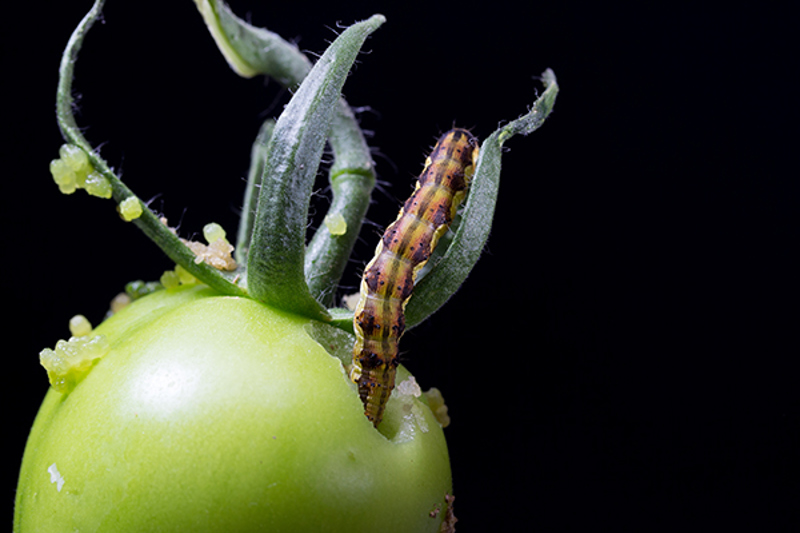
When feeding on tomato or citrus fruit, caterpillars will usually hide under or around the stalks and calyx. Holes chewed into the fruit will also most likely be close to the calyx.


Share
Share this article on social media