



Rats and Mice
If you hear scratching at night or see small black droppings around your home, it's a good sign you have rats or mice. Here's how to identify and control them in your home and outdoor areas.
Create a Yates account today!
Sign up to join the Yates Garden Club for monthly e-mails packed with seasonal inspiration, tips for success & exclusive promotions.
Plus if you’re a Garden Club member you can take part in the Yates Growing Community - a blog to share successes, get advice & win prizes in fun challenges along the way!

Enter the email address associated with your account, and we'll email you a new password.
Trichosurus vulpecula
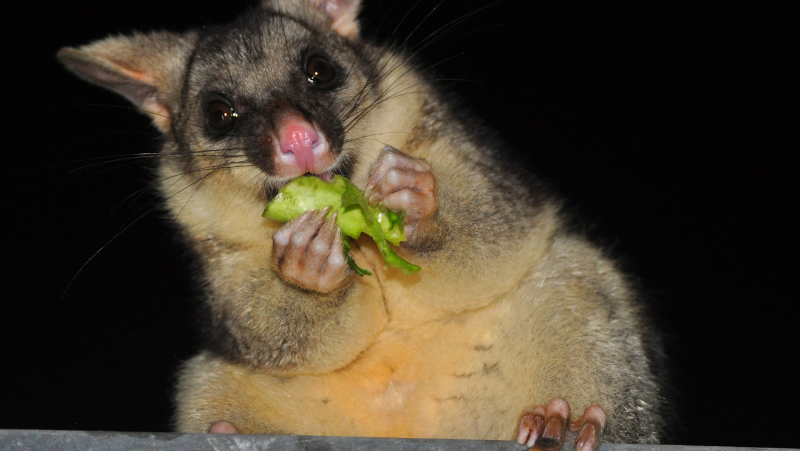
Possums are furry, predominantly herbivorous and nocturnal marsupials that spend most of their time in trees.
In New Zealand, the Common Brushtail Possum (Trichosurus vulpecula), an introduced species from Australia, are a serious pest.
Possums are selective browsing feeders and will eat a variety of plants and parts of plants, including leaves, stems, flowers and flower buds, fruit and vegetables. Symptoms include chewed leaves, fruit and flowers or complete defoliation of plants and fruit being eaten entirely.
You may also see possum droppings on the ground and hear possums scampering over (or in) the roof at night.
Edible and ornamental plants including fruit trees, camellias, magnolias, roses and vegetables.
Possums can visit gardens year round, browsing on plants that have fresh new leaves, are flowering or fruiting at that time.


Share
Share this article on social media