



Caterpillars
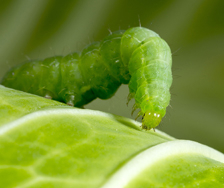
Here's an overview of the various types of pest caterpillars in your garden. Find out how to identify them, then get tips to prevent them from eating your vegies!
Create a Yates account today!
Sign up to join the Yates Garden Club for monthly e-mails packed with seasonal inspiration, tips for success & exclusive promotions.
Plus if you’re a Garden Club member you can take part in the Yates Growing Community - a blog to share successes, get advice & win prizes in fun challenges along the way!

Enter the email address associated with your account, and we'll email you a new password.
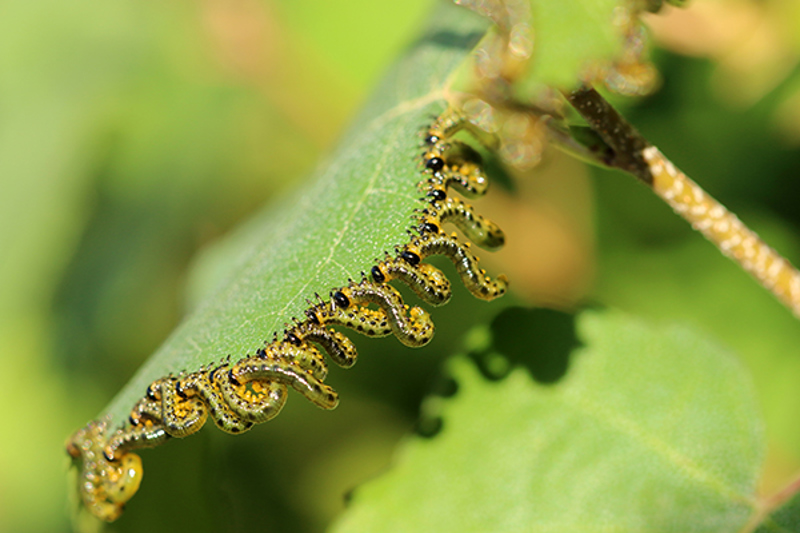
Although they are related to wasps, sawflies don't have a sting. There are about 10 species of sawfly in NZ, with one of them (Monophadnus spinolae) being deliberately introduced to control the very invasive Old Man's Beard weed.
Sawflies were named for their saw-like ovipositor (egg-laying spike), which they quite literally use like a saw to cut into plants, to lay eggs.
One introduced species, the Sirex Wood Wasp (Sirex noctilio), has a fascinating trick; they use their 'saw' to inject fungal spores under pine tree bark, while they are laying their eggs. The fungus then pre-digests the wood, so it's nice and soft for their hatched larvae to eat.
Sawfly larvae generally cause more problems to agriculture than in home gardens, with the exception of one main offender: the Pear and Cherry Slug is actually the larvae of a sawfly.
Sawflies can defoliate young saplings and smaller trees of their favoured species. Willow and poplar trees, pine trees that aren't in good condition, plus eucalypts are all targeted by various species of sawflies. Poplar and willow trees in the Otago region may also be targeted by the recently introduced pest, the Hairy Poplar Sawfly (Cladius grandis).
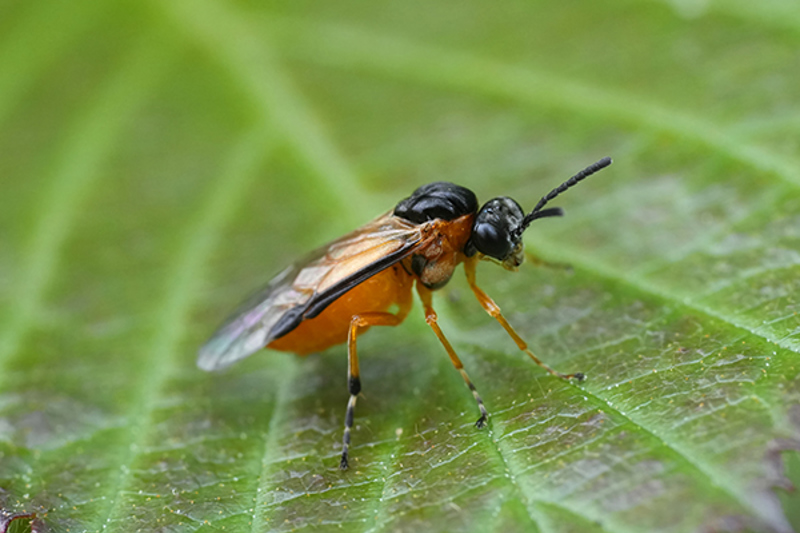
Monophadnus spinolae - The beneficial sawfly that eats Old Man's Beard weed.


Share
Share this article on social media