


Marssonina rosae

What is Rose Black Spot

Leaf spots are easily seen and may be serious on roses, which is very commonly attacked by black spot. Spores are easily spread by water splash and infections take hold when the water remains on the leaf for about 6-7 hours. Areas with high summer rainfall and high humidity usually have the highest incidence of black spot. 

Symptoms

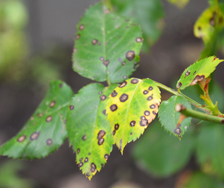
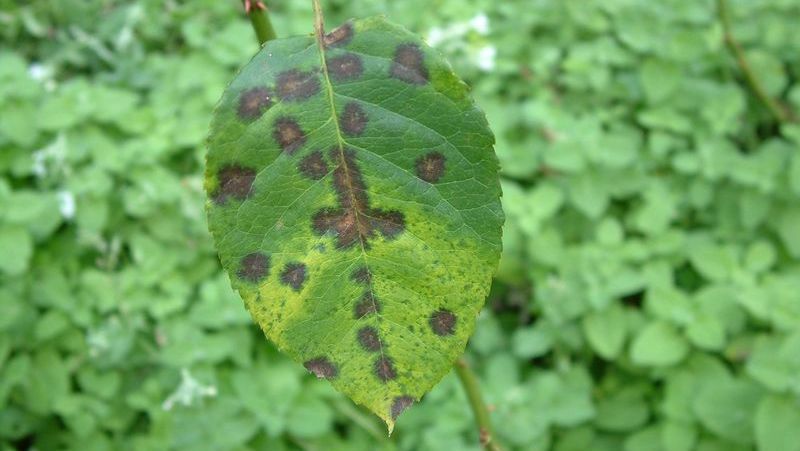
Circular black spots on the leaves which are fringed with yellow margins. The spots are black and can also appear on the stems. The leaves will fall prematurely and if left unchecked can lead to defoliation of the plant.


How to protect your plants

Treatment of the disease is year round as the fungus overwinters on stems and leaf litter. All diseased leaves should be raked up and disposed of. Diseased stems need to be pruned back to healthy wood. Spray roses with Yates Lime Sulfur Concentrate in winter and start an early preventative spray program at the beginning of spring once foliage emerges.


Plants impacted

  • Roses

Recommended products

Yates Super Shield Rose Spray - Concentrate

A combination of systemic fungicide and contact insecticide. Kills pests and mites on contact and works from within the plant to control black spot, powdery mildew and rust on roses and ornamentals in the home garden.

Yates Rose Gun Spray - Ready to Use

A combination of systemic fungicide and contact insecticide. Kills pests and mites on contact and works from within the plant to control black spot, powdery mildew and rust on roses and ornamentals in the home garden.

Yates Fungus Gun - Ready to Use

A broad spectrum fungicide that works systemically within the plant, providing both protectant and curative activity to prevent and control fungal diseases.

Yates Lime Sulfur - Concentrate

Forms a protective film of sulfur that kills overwintering spores and insect pests, plus helps prevent the entry of fungal infections into fruit trees and ornamental plants.

More articles

Powdery Mildew

A fungus that spreads a white or ash-grey film over the upper and lower surfaces of the leaves of plants - usually the older leaves.

Downy Mildew

A fungal disease common in young vegetable plants, identified by yellow spots on top of leaves, and downy, whitish tufts or spores on the underside of the leaf.

Sooty Mould

Fungi that form a black, ashy-looking coating on plant leaves and stems. Sooty mould grows on sticky honeydew secreted by insects, so it's a symptom of a sucking insect problem. Often accompanied by ants.

Aphids

Aphids are small, sap-sucking insects which can cause a lot of damage to your plants. They're usually found clustered on new shoots and buds. Here's how to identify, then get rid of them.