





Yates Thrive Roses & Flowers Liquid Plant Food
Provides your flowers & roses with the balanced nutrients they require for healthy growth and flower production.
Create a Yates account today!
Sign up to join the Yates Garden Club for monthly e-mails packed with seasonal inspiration, tips for success & exclusive promotions.
Plus if you’re a Garden Club member you can take part in the Yates Growing Community - a blog to share successes, get advice & win prizes in fun challenges along the way!

Enter the email address associated with your account, and we'll email you a new password.
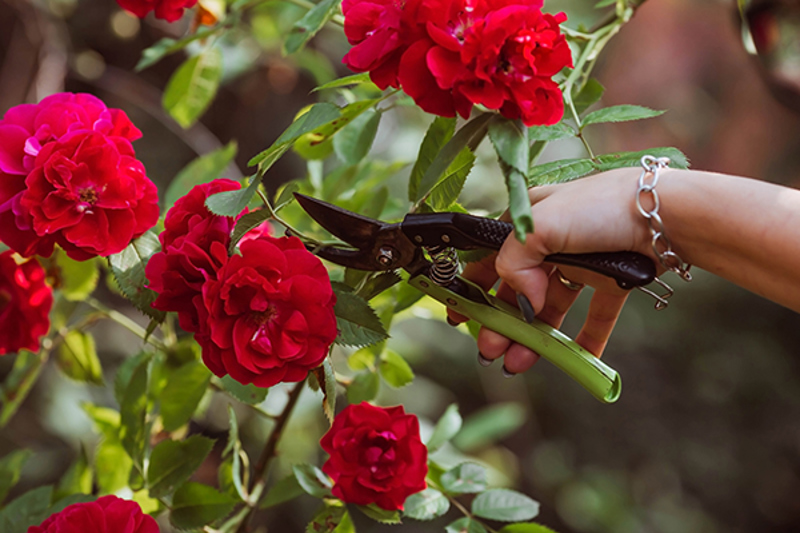
Summer generally brings heat, hot drying winds and high humidity, which all have a big effect on the health and appearance of roses. If your roses are looking a bit the worse for wear, especially if they've developed sparse or leggy growth, or spindly stems, they'll benefit from a summer prune.
Summer pruning refreshes and reinvigorates the plants; they'll respond in a matter of weeks, putting on new growth, ready for another flush of flowers. In fact, you can time rose re-blooming if you have a special event coming up, as they’ll typically flower again around 6–7 weeks after pruning.
Rose pruning isn't tricky, just trim off around 30% of the overall growth, also removing any dead or thin stems. A good sharp pair of secateurs is best, but you can use hedge clippers. Don’t forget to protect your hands, arms (and face!) from rose thorns with sturdy gloves, long sleeves and glasses.
After pruning, collect up all the fallen leaves and stems (this helps to reduce the risk of disease), apply some Yates Thrive Roses Flowers Liquid Plant Food and water in well. It’s a complete and balanced liquid fertiliser that has been boosted with extra flower promoting potassium.
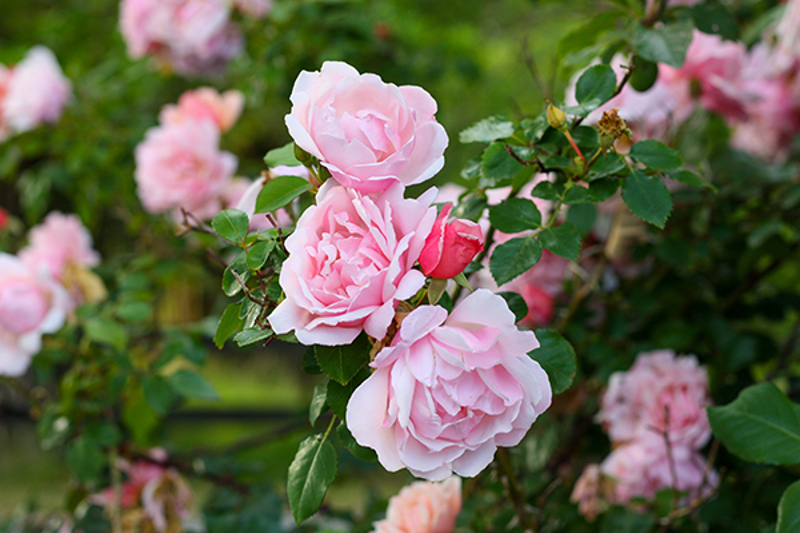
Next, spread a layer of mulch, like lucerne or pea straw, around the root zone. This helps keep the soil moist by protecting the upper layer of soil from the baking sun. Reapply Yates Thrive Roses & Flowers each week, to encourage healthy new foliage growth and lots of flowers.
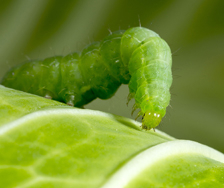
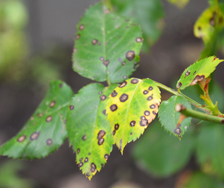
New foliage and flower buds can attract destructive insect pests. Regular sprays with a Yates Rose Gun will help control aphids and caterpillars, as well as diseases like black spot, rust and powdery mildew.
If you’d like to add a gorgeous rose to your garden over summer, potted roses will still be available for planting. If you’re planting into a container, use a pot with good drainage holes and fill it with a quality potting mix, like Yates Premium Potting Mix.
Before planting out your new rose, enrich the soil in the planting hole with some Yates Thrive Natural Blood & Bone. This encourages the rose to develop a strong healthy root system, gently feeding the rose as it establishes.


Share
Share this article on social media