




Yates Lawn Grub & Porina Kill + Protect Hose-On
Acelepryn®-powered technology in a convenient hose-on applicator. Eliminates a wide range of soil-dwelling lawn pests and provides up to 6 months protection.
Create a Yates account today!
Sign up to join the Yates Garden Club for monthly e-mails packed with seasonal inspiration, tips for success & exclusive promotions.
Plus if you’re a Garden Club member you can take part in the Yates Growing Community - a blog to share successes, get advice & win prizes in fun challenges along the way!

Enter the email address associated with your account, and we'll email you a new password.
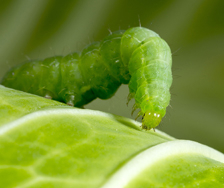
During late winter, spring & early summer, porina caterpillars are a destructive lawn pest in much of the country. In large numbers, porina can strip lawn grass and cause rapidly expanding bare patches.
NZ grass grub is another destructive lawn pest to keep on your radar in the lead-up to winter.
To complicate things, lawn diseases can strike as the weather begins to warm! Keep reading, and we'll tell you the symptoms to watch out for, plus (most importantly) how to get rid of them!
During late winter, spring & early summer, porina caterpillars are a destructive lawn pest in much of the country. Porina are the larvae of a native moth. After the caterpillars hatch out, they live in silk-webbed tunnels at the soil surface, but as they mature they dig deep underground burrows to hide in. The caterpillars emerge from their burrows in late afternoon & evening, nip off nearby grass foliage at the base, and pull it underground to eat. This causes rapidly expanding bare patches of soil in a lawn. If you can see pencil-width holes in the bare patches, that's a key symptom of a porina infestation.
In addition to bare patches, if you see birds pecking at the lawn, it's a sign porina caterpillars are present. The birds will be searching for caterpillar 'snacks', and they often make the damage worse with their digging!
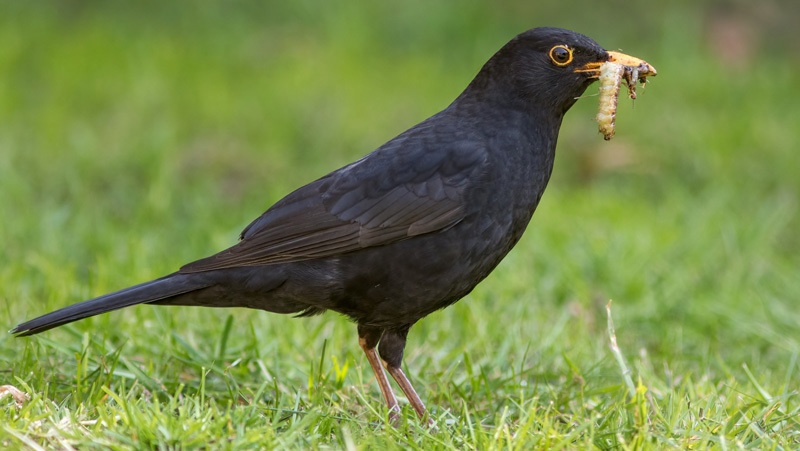
Grass grubs are another commonly-encountered local nuisance. They're the larvae of brown beetles, that mature under the soil and chew their way through the roots of your lawn. NZ grass grubs are C-shaped, creamy coloured grubs, with a dark brown shiny head. If you see brown dead patches developing in the lawn, or sections of grass that can be easily lifted up like the edge of a carpet, it's likely to be grub damage. Having plants in your garden or pots that are wilting for no obvious reason, despite being well watered, can also be a sign of a grub infestation. For a firm diagnosis, you can find out how to do a 'spade test' here.
Pro Tip: The adults of both these lawn pests are attracted to light. Porina moths are flying from October-December, scattering thousands of eggs as they go. Grass grub beetles lay their eggs directly into lawn soil from October-November. If your outdoor lighting is near to your lawn area, try to use it sparingly and don't leave it on for extended periods, to make your lawn a less noticeable target.
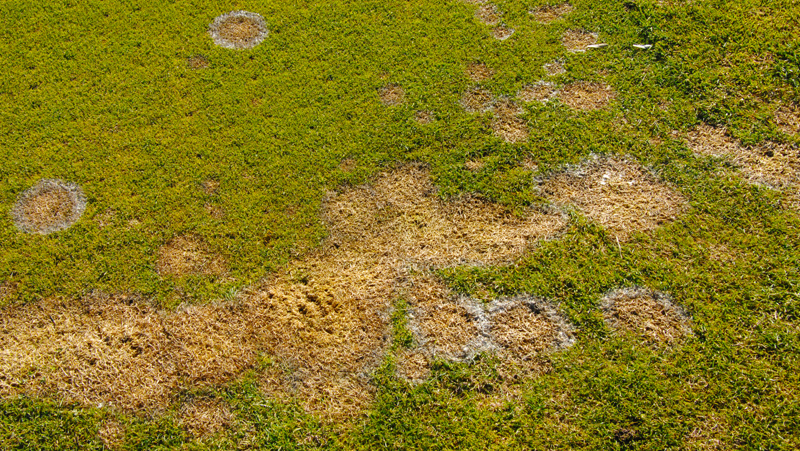
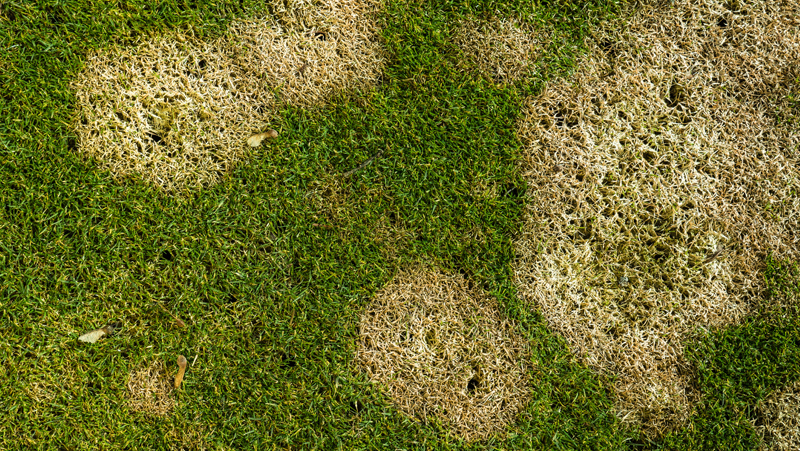
Periods with mild temperatures, heavy rainfall and high humidity are ideal conditions for lawn diseases to get established. Commonly-encountered diseases include brown patch, fusarium patch, dollar spot and anthracnose. Diseases can be tricky to diagnose, as symptoms can look similar to other lawn problems, like grass grubs or armyworm. If you have a browse through the images on our ProblemSolver page, they'll help you to diagnose the problem and find out the fix.
Common disease symptoms include areas of discoloured, brown, red, dead or dying patches that develop in the lawn. These diseases can reoccur year after year, so it’s important to get them under control to keep your lawn looking good, long-term.
Mow regularly to prevent a build up of excess thatch
Remove grass clippings from the lawn, especially while weather conditions favour diseases
Water only in the morning, to allow the lawn to dry off during the day
Aerate or core your lawn, to improve drainage
Proactively treat with Yates Fungus Fighter, a fungicide that effectively controls common lawn diseases like dollar spot and rust.
Keep your grass well fed, with a lawn food that contains a generous amount of potassium. This critical nutrient helps strengthen grass, so it’s better able to resist disease infection. Yates Dynamic Lifter Lawn Food applied during autumn will encourage a lush green lawn as winter approaches. It also adds valuable organic matter into lawn soil.




Share
Share this article on social media