


Yates Copper Oxychloride Fungicide
A time-honoured fungicide that controls a wide range of fungal and bacterial diseases on fruit, vegetables and ornamentals, providing protection against pathogens.
Create a Yates account today!
Sign up to join the Yates Garden Club for monthly e-mails packed with seasonal inspiration, tips for success & exclusive promotions.
Plus if you’re a Garden Club member you can take part in the Yates Growing Community - a blog to share successes, get advice & win prizes in fun challenges along the way!

Enter the email address associated with your account, and we'll email you a new password.
Monilinia fructicola (Stonefruit, Cherry, Blueberry)
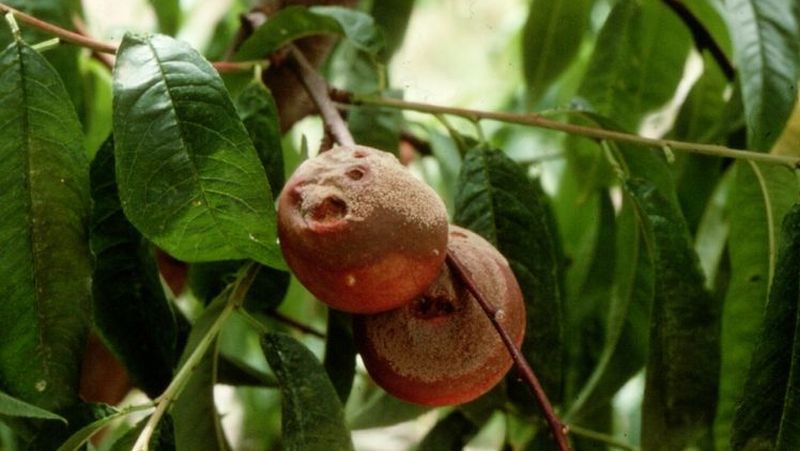
Brown rot is a destructive disease of stone fruits. The fungus overwinters in mummified fruit which has either fallen to the ground or is still attached to the tree. Cankers on stems and spurs are another source of disease spores. At blossom time the fruiting bodies of the fungus develops toadstool-like structures which shed millions of spores. These spores will shed at the slightest disturbance.
In citrus, brown rot is caused by various Phytophthora species, which are soil-inhabiting fungus-like pathogens. You can find out more about how to control citrus brown rot here.
Fruit develops circular areas of brown rot, that widen and spread over the fruit as it approaches maturity. Brown Rot has a distinctive smell.
Severely affected stonefruit can develop a greyish fuzz of spores.
Stonefruit trees may sometimes exude gum from cankers that form on branches.
For stonefruit, apply Yates Nature's Way Fungus Spray after petal fall, at 10-14 day intervals until harvest. Collect and destroy any fruit affected with Brown Rot.


Share
Share this article on social media