


Yates Nature's Way Pyrethrum Natural Insect Spray - Concentrate
Controls a wide variety of insect pests on vegetables, flowers and ornamentals.
Create a Yates account today!
Sign up to join the Yates Garden Club for monthly e-mails packed with seasonal inspiration, tips for success & exclusive promotions.
Plus if you’re a Garden Club member you can take part in the Yates Growing Community - a blog to share successes, get advice & win prizes in fun challenges along the way!

Enter the email address associated with your account, and we'll email you a new password.
Hemiptera / Auchenorrhyncha
Scolypopa australis
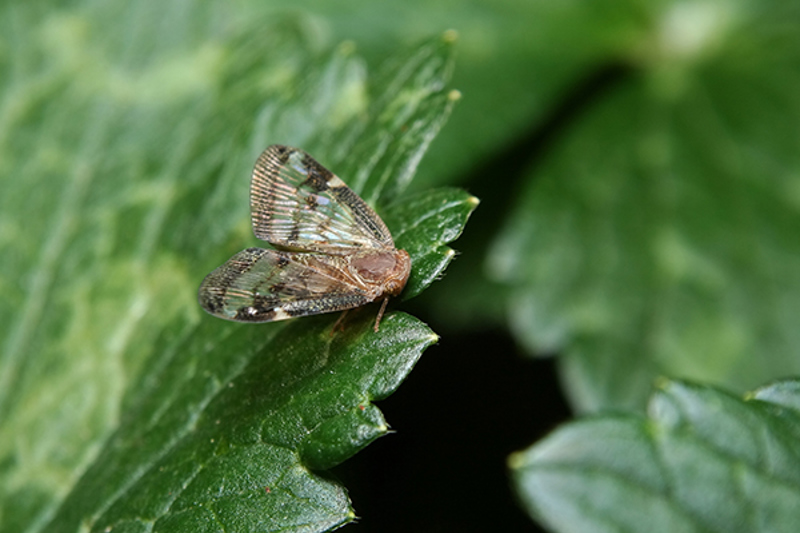
Passionvine hoppers (Scolypopa australis), a pest species from the Planthopper family, were accidentally introduced from Australia in the 19th Century. Both adults and juveniles suck the sap from a wide variety of plants, causing severe damage. Populations can skyrocket quickly; if left uncontrolled they will affect plant health, vigour and fruiting. Very heavy infestations can cause plant death.
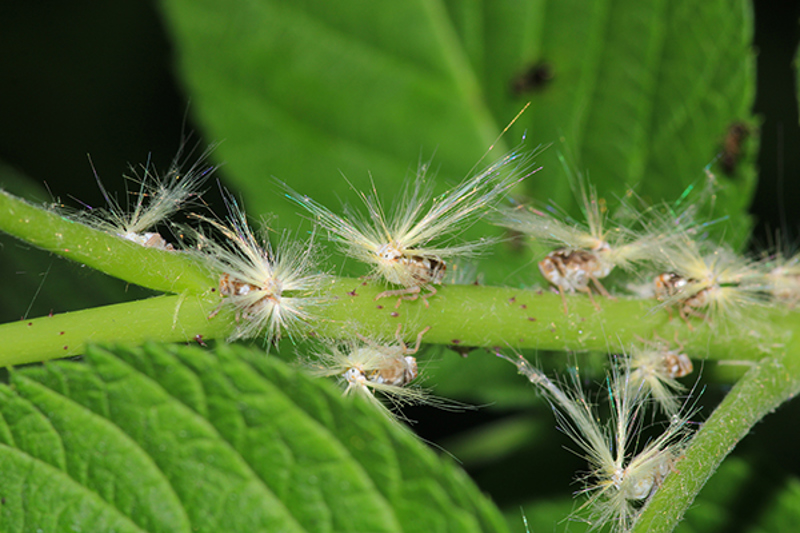
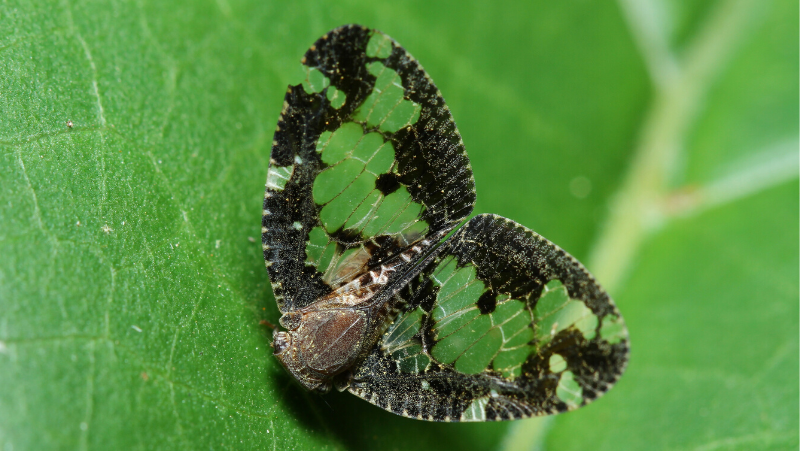
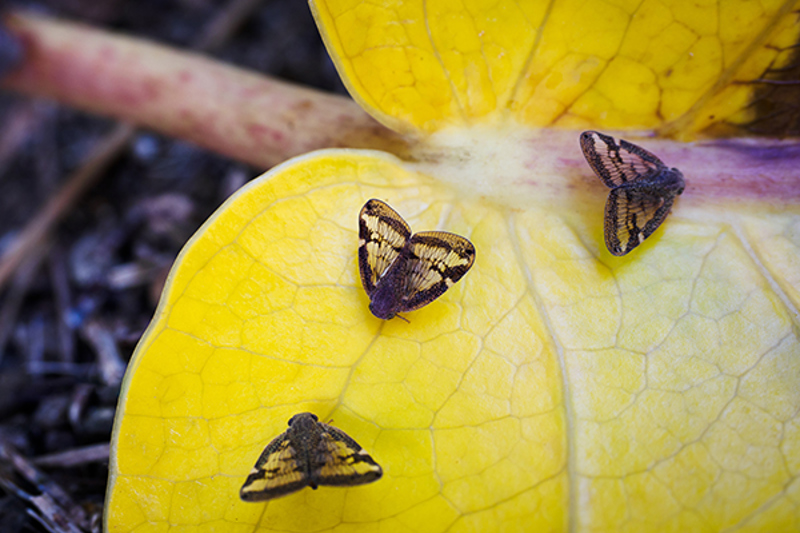
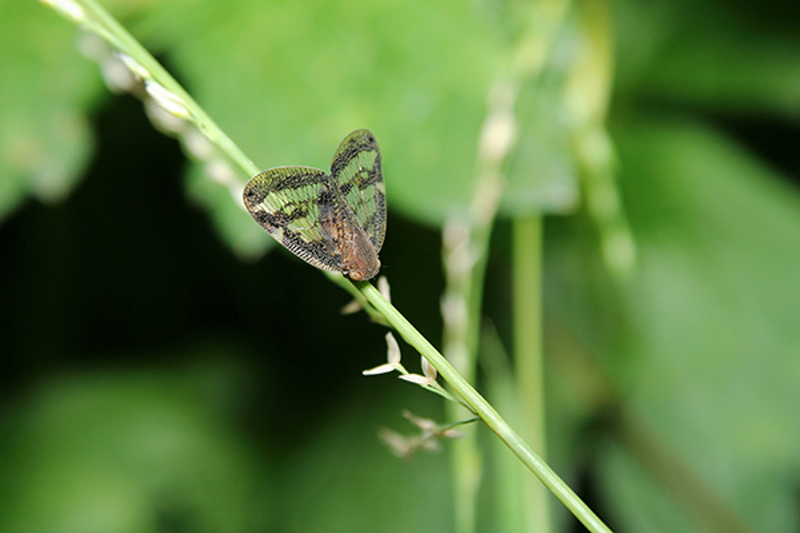
Adult passionvine hoppers are about 6mm long, shaped like short, blunt cicadas with mottled brown wings. Transparent 'windows' and brown veins give the wings a lacy-looking appearance. Unlike most other planthopper species, passionvine hoppers lay their wings flat while they're at rest, forming a distinctive shape that resembles a 'jet plane' lolly. Short, powerful legs are used for walking and jumping. At the front of the head is a large plate called a clypeus, which looks like a prominent 'forehead'. Adults are most active from mid-summer to early winter.
Eggs are laid into holes punched into a neat, continuous row along stems or twigs. After each egg is inserted, pulped plant fibres are pushed in to plug the hole; these pulpy plugs often stick out, making the egg-laying site resemble a row of stitches.
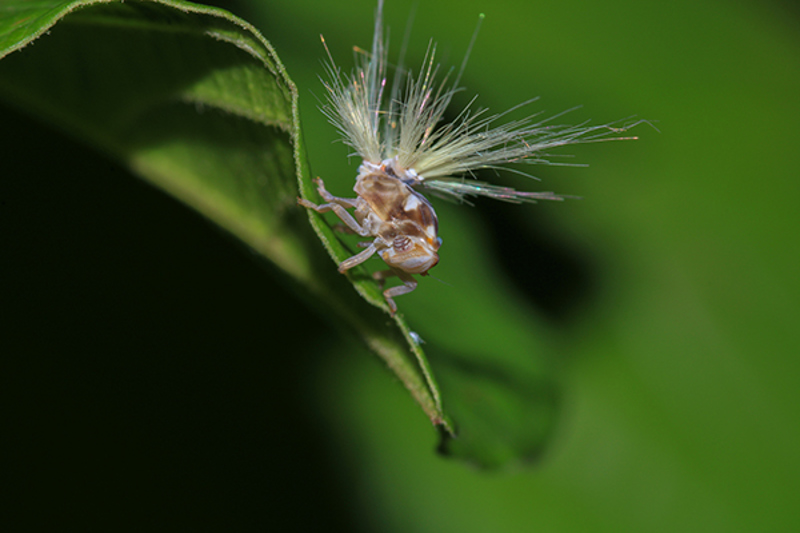
The eggs hatch in spring. The hatched nymphs are commonly known as “fluffy bums”, due to the tuft of fluffy white filaments on their tails. These long filaments are sometimes fan-shaped, a bit like a peacock’s tail. Nymphs continue to hatch and develop from early spring through to late summer.
Passionvine hoppers can be found in large groups of adults and nymphs, feeding on the tips of stems and leaves, where the most plant sugars are produced. They're active during daylight.
When disturbed, passionvine hoppers have a habit of hopping or jumping, which sometimes produces a loud snapping or clicking noise. Adults can fly, but will usually jump first when disturbed, before flying away.
Both adults and nymphs pierce the epidermis of the host plant and suck out sap (phloem) to extract sugars. They excrete waste water and sugars onto the surface of the plant, in the form of a sticky clear substance called honeydew.
This sweet, nutritious honeydew attracts ants, which are actually known to protect passionvine hoppers from predators, in exchange for honeydew! Honeydew on the leaves and stems of plants also encourages an opportunistic fungal disease called sooty mould to form. It's unsightly, but it can also be detrimental to plant health by interfering with photosynthesis.
Honeydew is also attractive to bees, which can be a challenge for beekeepers when bees gather honeydew formed from tutu (Coriaria) sap. Because tutu contains plant toxins, contaminated honey can be toxic to humans.
Regularly monitor your plants for signs of passionvine hoppers. Small infestations, caught early, are much easier to control.
Our go-to product to combat leafhoppers (including passionvine hoppers) is Yates Nature's Way Citrus, Vegie & Ornamental Spray. It's ACVM-registered to control leafhoppers on a wide range of vegetables, fruit trees, ornamentals and indoor plants, BioGro approved as an input for organic gardening, plus it has a convenient 24 withholding period for edible plants.
Passionvine hoppers have a very broad host plant range. Here are some of the most commonly targeted plants.
Edible Plants:
Ornamental Plants:
Weed Species:


Share
Share this article on social media