


Yates Home Pest Wasp Killer & Nest Destroyer - Aerosol Spray
Unique aerosol formulation kills wasps on contact and destroys their nests. Features a strong jet spray, to access-hard to-reach nest locations.
Create a Yates account today!
Sign up to join the Yates Garden Club for monthly e-mails packed with seasonal inspiration, tips for success & exclusive promotions.
Plus if you’re a Garden Club member you can take part in the Yates Growing Community - a blog to share successes, get advice & win prizes in fun challenges along the way!

Enter the email address associated with your account, and we'll email you a new password.
Hymenoptera
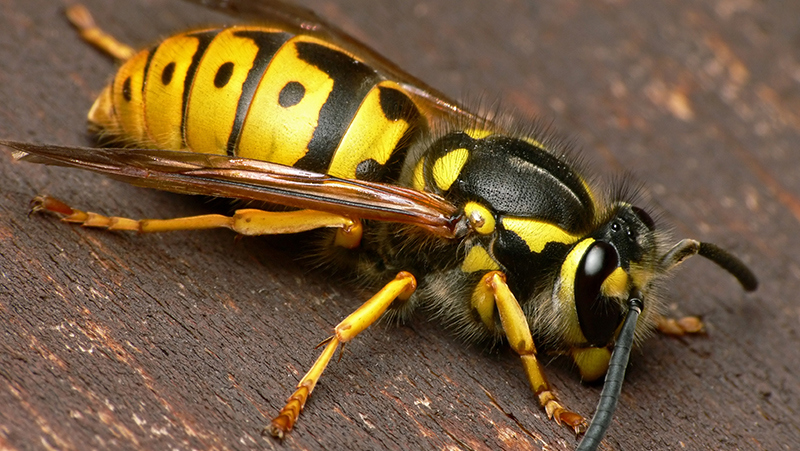
German Wasp (Vespula germanica)
New Zealand has a small number of native wasp species; usually black or dark-coloured, they're solitary and hunt insects for food. Although they sting when provoked, they don't cause any problems to the environment...so we won't focus on them here.
The bad news? We also have 4 introduced wasp species that are seriously destructive, aggressive and harmful to the areas they invade.
Introduced wasps are known to kill and eat an enormous volume of insects every year, so they've evolved into a serious threat to native ecosystems throughout the country. Wasps aren't just a problem for their prey insects; they also hog the insects and honeydew that native birds, skinks and geckos need to survive.
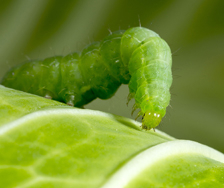
Wasps are also devastating to Monarch butterflies: their caterpillars are a tempting source of “protein” that wasps use to feed their young. You can help protect Monarchs by eliminating wasp nests.
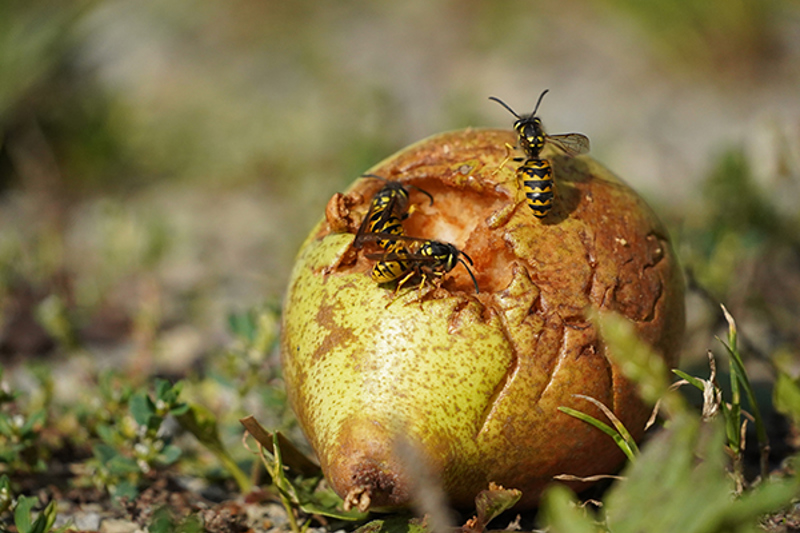
Common Wasps (Vespula vulgaris)
There are two ground-nesting species that are the main offenders for harm to native ecosystems. These are German Wasps (Vespula germanica) and Common Wasps (Vespula vulgaris). These social wasp species are very aggressive - they can be quite dangerous when their numbers are high.
Worker wasps are 12–15mm long (queens and males are 20mm long, but it's very rare that you'll see them). Both Vespula species look similar, being very bright yellow and black. Both have their abdomen lined with yellow and black banding, with distinct black triangular markings at the top of each band. They both have a pair of black antennae, 3 pairs of yellow legs and 2 pairs of transparent wings on their back.
How to tell the difference: German wasps have separated black dots in between the black rings on the abdomen. Common wasps have black dots that merge into the black rings, they aren't separated.
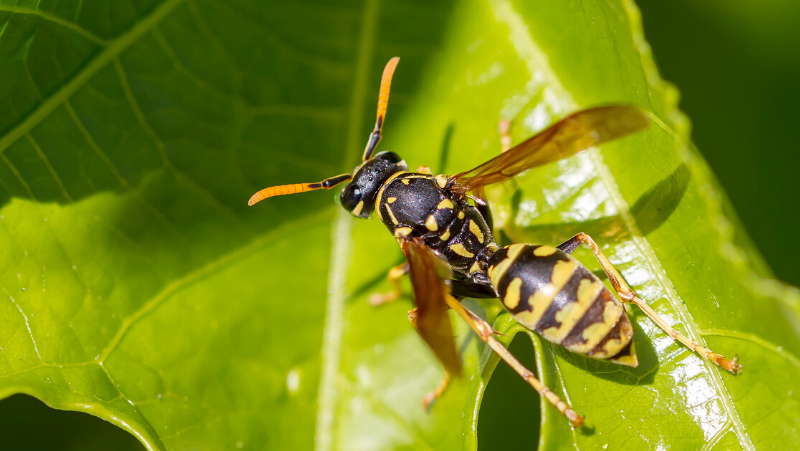
Asian Paper Wasp (Polistes chinensis)
The other two problematic species are Asian Paper Wasps (Polistes chinensis) (see image below) and Australian Paper Wasps (Polistes humilis humilis). They aren't as troublesome as the Vespula wasps above, but they're just as annoying around your house and outdoor areas! Paper wasps hang their small nests from branches or buildings (they prefer nesting under overhangs or eaves).
Paper wasps are generally about 10–15mm in length and longer and narrower-looking than Vespula wasps; they're also less aggressive. Asian Paper Wasps have yellow antennae, with less yellow banding and more prominent black banding than Vespula wasps.
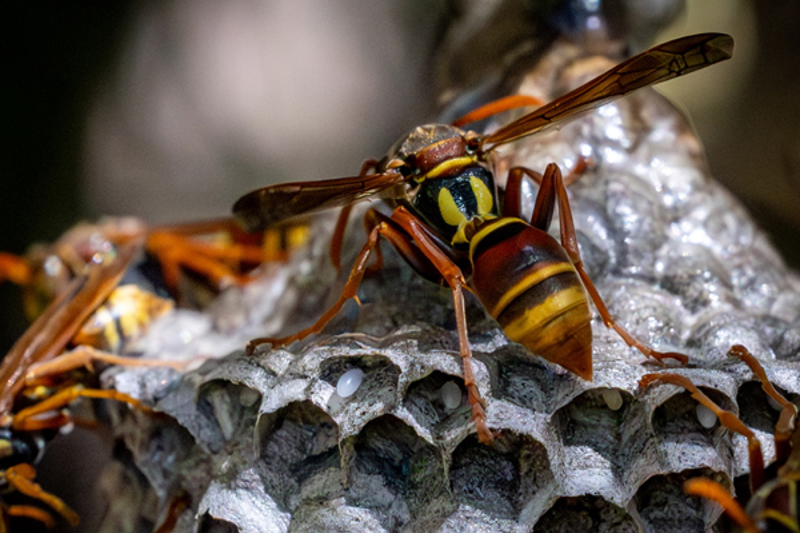
Australian Paper Wasps (Polistes humilis humilis)
Most German and common wasp nests are located underground, or in rockeries, tree stumps, and man-made structures like wall cavities and roof voids. Nests are made of chewed wood fibre, giving the appearance of grey (German wasps) or muddy brown (common wasps) paper mâché. Nests range in size from 15cm, to up to 5m in diameter! Large nests can contain many thousands of wasps. This is why it's important to control nests early, to prevent wasp populations from getting out of control.
Be wary - an underground nest might be bigger than it looks! If a nest has reached an unmanageably large size, for your own safety, please contact your local Council and ask for advice.
Paper wasps make a small, mushroom-shaped nest with a distinct honeycomb structure. Nests are made from a mixture of chewed wood fibre and saliva. Nests can reach up to 10–12cm in diameter and are found hanging from horizontal surfaces, like underneath window sills, eaves, awnings, fence capping and in shrubs and trees. Nest populations are generally between 12 and 20 wasps.
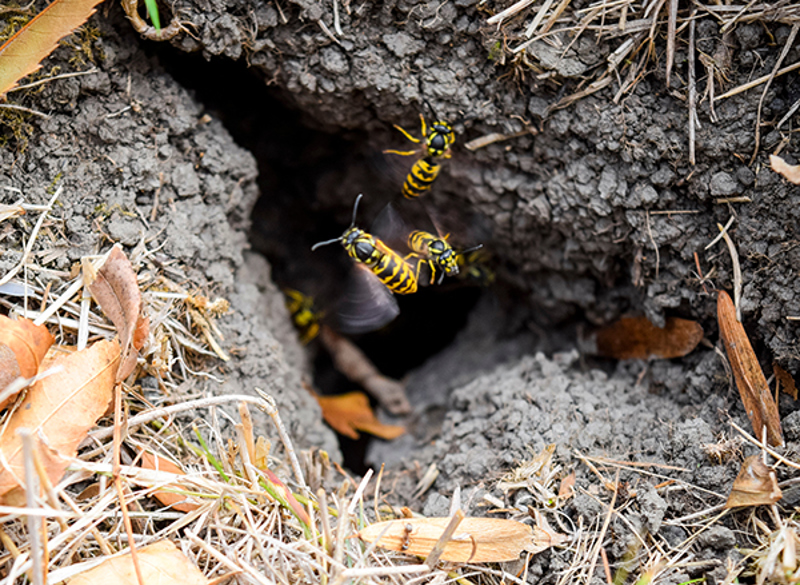
An underground wasp nest entrance.
All these introduced wasps are active and feed during the day. At night, being social wasps, they can be found congregated in their nest.
Wasps will defend their nest aggressively, swarming out to attack if disturbed. Unlike bees, that die after only one sting, wasps can repeatedly sting and remain unaffected. Their sting is painful and causes inflammation. Multiple stings, or a sting to the throat, can be dangerous to vulnerable people. Wasp stings can be fatal for people with allergies (some may be unaware of their allergy). Always use extreme caution near nests.
Vespula wasps are mostly scavengers, that feed on protein from dead animals or sweet foods like honeydew. They're often found near homes as they're attracted to human food and drinks, and pet food. If wasps are observed in the area, don't leave food and drinks (especially soft drink cans) unattended or uncovered.
Paper Wasps, unlike the Vespula species, aren't attracted to human foodstuffs. Juveniles are fed on a diet of caterpillars and other insects, while adults primarily feed on nectar from flowers. This means paper wasps do a good job as pollinators, which mitigates some of the damage they do.
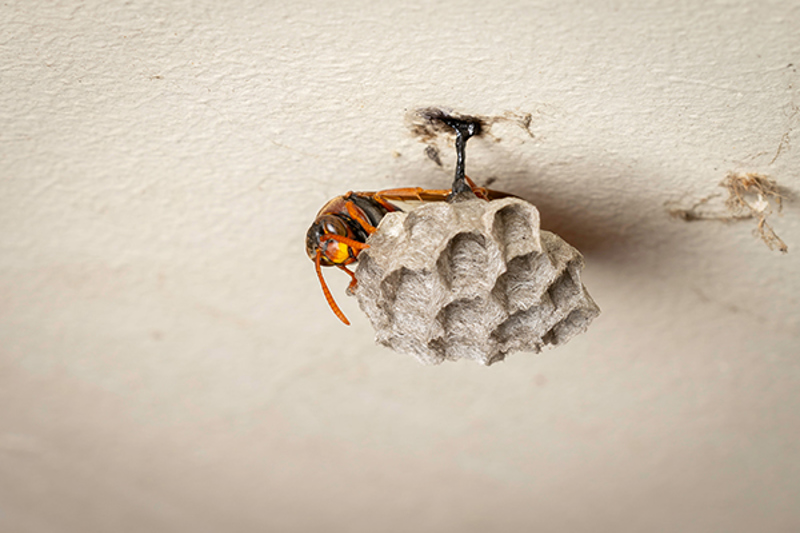
Australian Paper Wasp, guarding a small nest.
Vespula wasp colonies start in spring when a single mated wasp queen constructs a small nest and lays her eggs. Eggs hatch into grub-like larvae, which develop into pupae. The queen tends them until they emerge as 'worker' wasps (sterile females) in late spring/early summer. The first batch of worker wasps takes over nest construction and rearing of larvae, while the queen lays eggs. Over the summer, the nest grows in size and the population increases, reaching a peak in early autumn. At this time, wasps switch over from a high-carb diet of honeydew, to a protein diet made up of insects and dead animals, to enable lots of fertile male wasps (drones) and new queens to be produced. The new drones and queens mate, then the queens fly off to hibernate through the winter. The exiled queens wake up in spring and begin the arduous task of building a new nest for themselves.
In the European native habitat of German wasps, nests begin to decline during autumn and die out over winter. However, in the warmer regions of NZ, nests can survive the winter and continue to develop over a number of seasons. In these nests, new queens simply take over the facilities and continue with business as usual! This can result in gigantic nests, containing tens of thousands of wasps. These huge nests enable the spread of invasive wasps into new areas
The life cycle of paper wasps is similar to that of Vespula wasps, except that nests typically contain only 12 to 20 individuals.
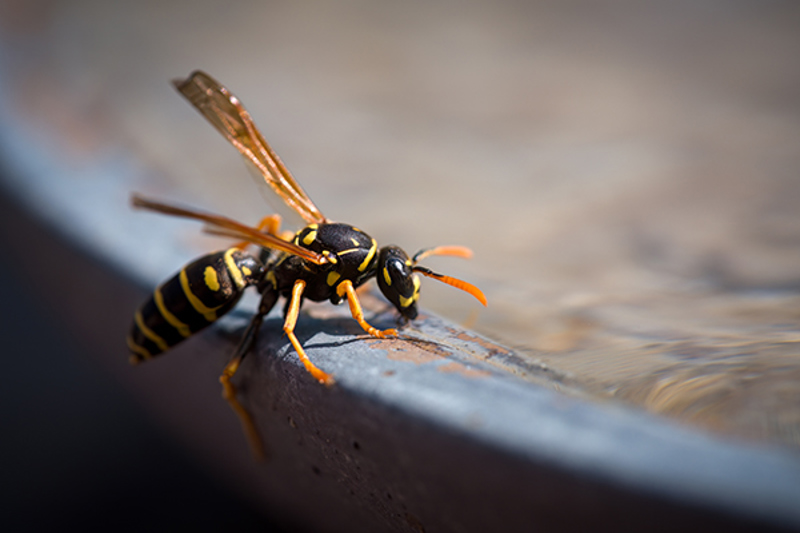
Asian Paper Wasp, drinking water
Aside from the pest species discussed above, there are many wasps that are beneficial to ecosystems (and to gardeners). In NZ these species are usually carnivorous parasitoid or predatory wasps, that happily feed on pest insects.
Parasitoid wasps lay their eggs on, in or near a host, like scale insects, caterpillars, whiteflies, mealybugs, flies, weevils, armyworm, or lemon tree borer. The wasp egg hatches into a grub-like larvae and feeds on its host, eventually killing it. Wasp eggs laid inside the host, when the feeding, pupating and exiting process is complete, often leave behind a skeletonised host body. If you see mummified aphids, this is the explanation. A gruesome process, but a very effective form of pest control!
Predatory wasps catch and kill prey, to feed themselves or to drag the prey back to their nest to feed their young. These wasps feed on insects like caterpillars, leafroller moths, soft scales, and spiders.
Wasps can also be excellent pollinators, as many species feed on nectar from flowers. Beneficial wasp pollinators are a real asset for fruiting plants in a garden.
It's pretty easy to tell the difference; if it looks wasp-ish but very slender, if it's black or dark-coloured, and especially if it has a very long ovipositor 'tail', it's likely to be a goodie.
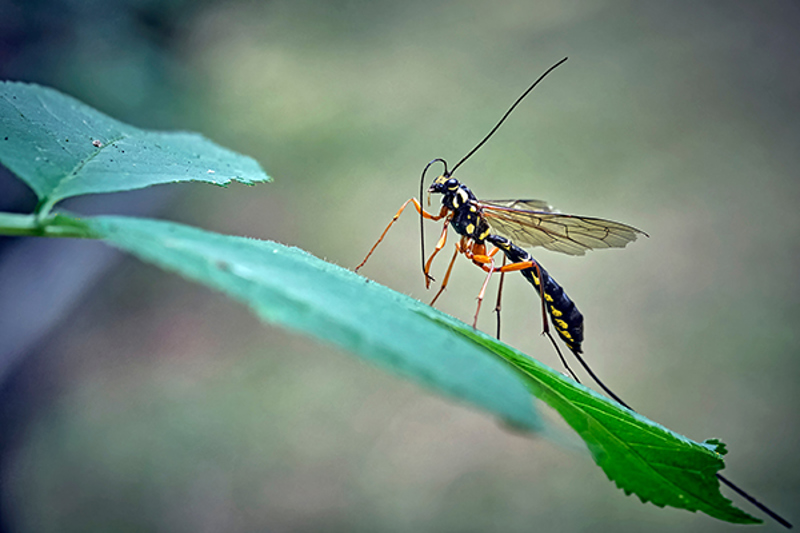
If you see a wasp that looks anything like this, it'll be one of the 'goodies' that eat your garden pests!
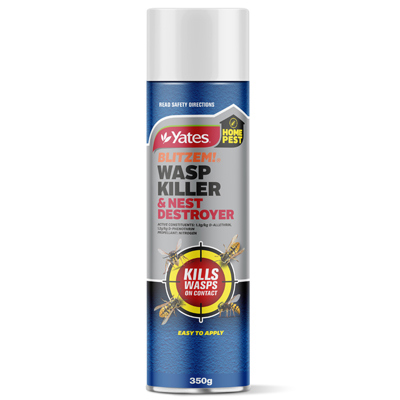
This unique aerosol formulation kills wasps on contact.
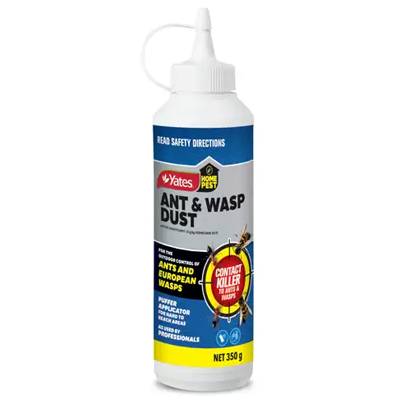
A ready to use dust, in a convenient puffer pack.
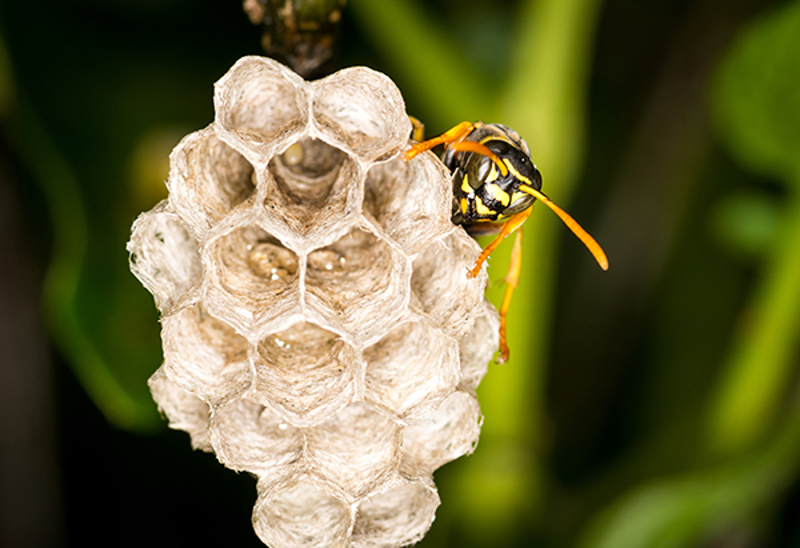
Paper wasp and its nest.

Wasps can occasionally chew soft fruit and leave marks, but most plants are unaffected by them. Some wasps feed on nectar, so they can be useful for pollinating plants.


Share
Share this article on social media