







Yates Zero Super Concentrate Weedkiller
An extremely effective, easy and economical way to control weeds and grasses. Kills weeds, roots and all.
Create a Yates account today!
Sign up to join the Yates Garden Club for monthly e-mails packed with seasonal inspiration, tips for success & exclusive promotions.
Plus if you’re a Garden Club member you can take part in the Yates Growing Community - a blog to share successes, get advice & win prizes in fun challenges along the way!

Enter the email address associated with your account, and we'll email you a new password.
Veronica spp.
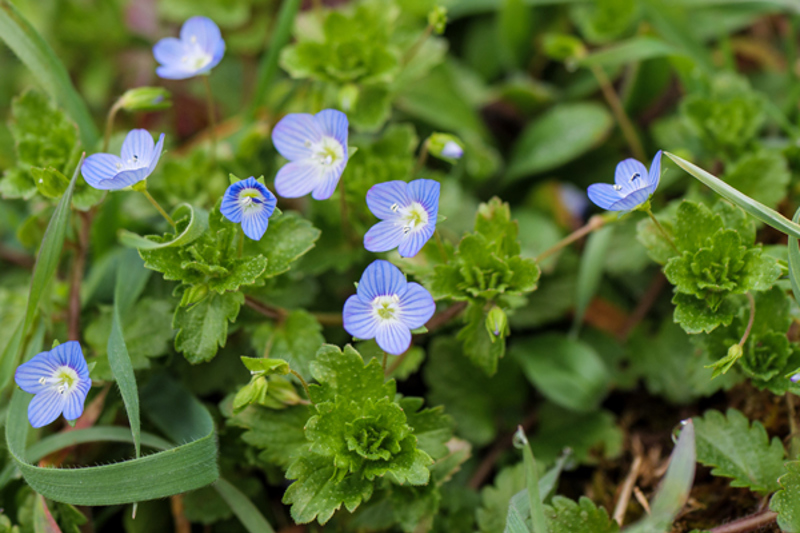
A low-growing broadleaf lawn weed, that can be very persistent once it gets established. In New Zealand, common speedwell species include turf speedwell, creeping speedwell, field speedwell and scrambling speedwell. They all share a similar growth habit, spreading out into low, creeping mats that compete with lawn grass. Because it grows very low to the ground, most speedwell isn’t affected by mowing, so if left unchecked it can crowd out the grass completely, to form large, dense patches.
Speedwell thrives in moist, shady areas, especially where soil is compacted. In lawns, speedwell will quickly spread through thin, weak or stressed grass. This is particularly challenging because speedwell germinates and establishes itself during autumn and winter, while lawn grass is dormant.
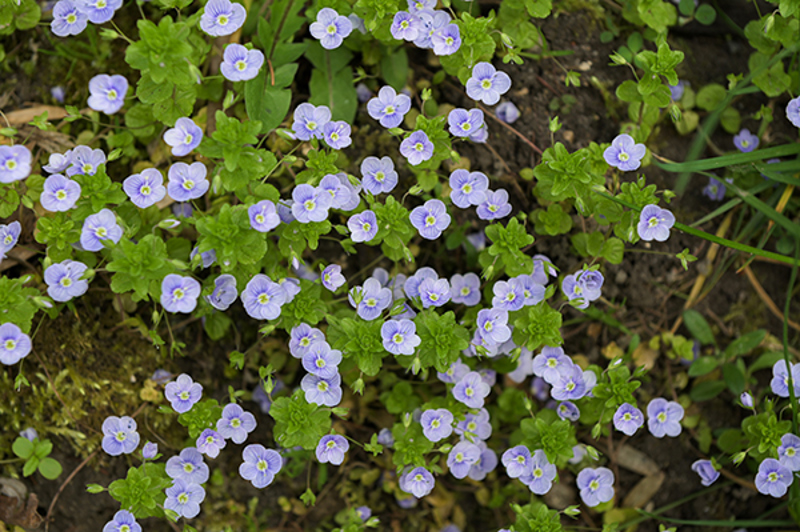
Creeping speedwell (Veronica filiformis)
These speedwell species all form multitudes of small flowers, which have distinctive lines or streaks on the petals. The streaks are nectar guides, that act as visual targets to direct insect pollinators into the centre of the flowers. Honeybees, bumblebees and hoverflies find speedwell very attractive during its spring flowering season.
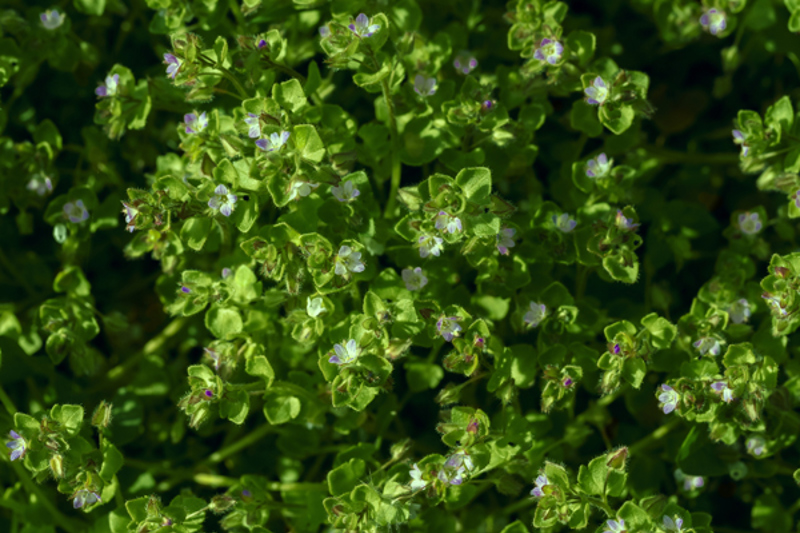
Turf speedwell (Veronica serpyllifolia)
Turf speedwell is a perennial weed that spreads out stolons (runners) that form root nodes wherever they touch down on the soil. It has smooth leaves that make it look similar to thyme, and small white flowers with subtle blue 'nectar guide' streaks.

Creeping speedwell (Veronica filiformis)
Also a perennial with long stolons, that allow it to form thick, spreading mats that suppress and crowd out grass. Leaves are small, oval-shaped and hairy.
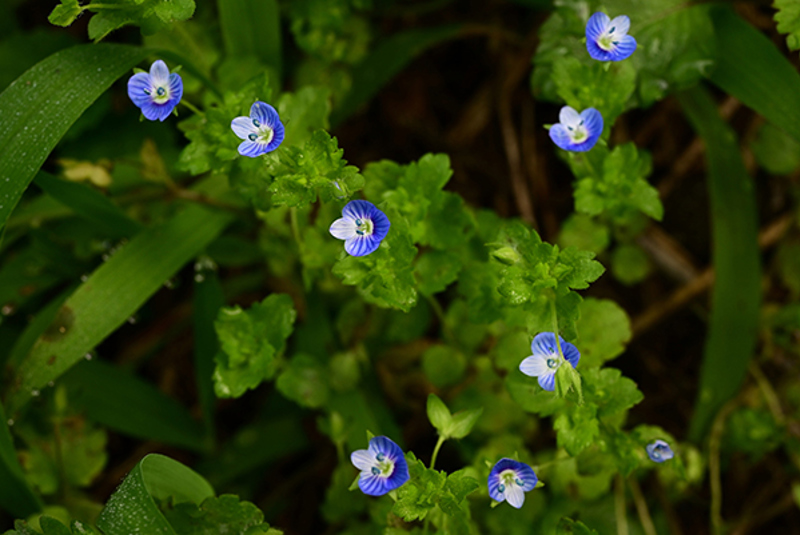
Field speedwell (Veronica arvensis)
Field speedwell is an annual, that spreads by seed. It has rounded, hairy-textured leaves with toothed margins, and tiny pale blue flowers. It looks quite similar to scrambling speedwell, but field speedwell is the most commonly encountered culprit in a lawn.
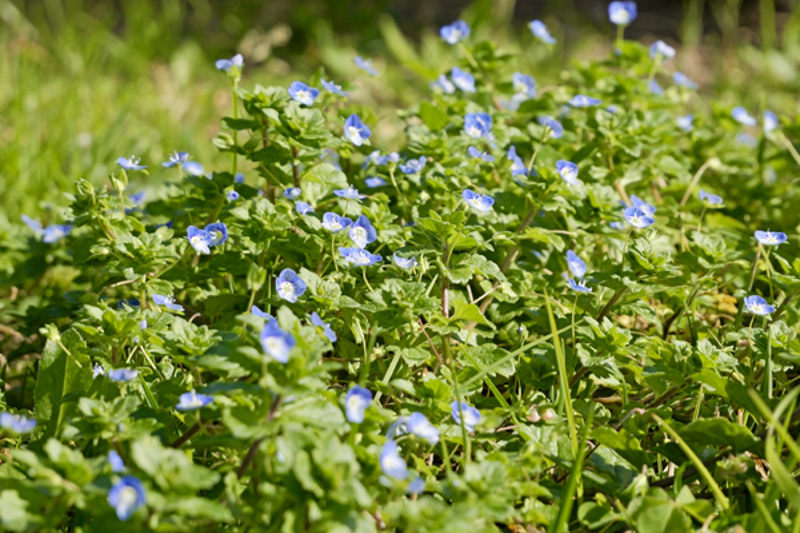
Scrambling speedwell (Veronica persica)
Scrambling speedwell also spreads by seed – it grows higher than field speedwell, with similar-shaped but slightly larger leaves. It forms numerous small lavender blue flowers with white centres. Scrambling speedwell is a common garden and pasture weed, but mowing tends to suppress it in lawns.
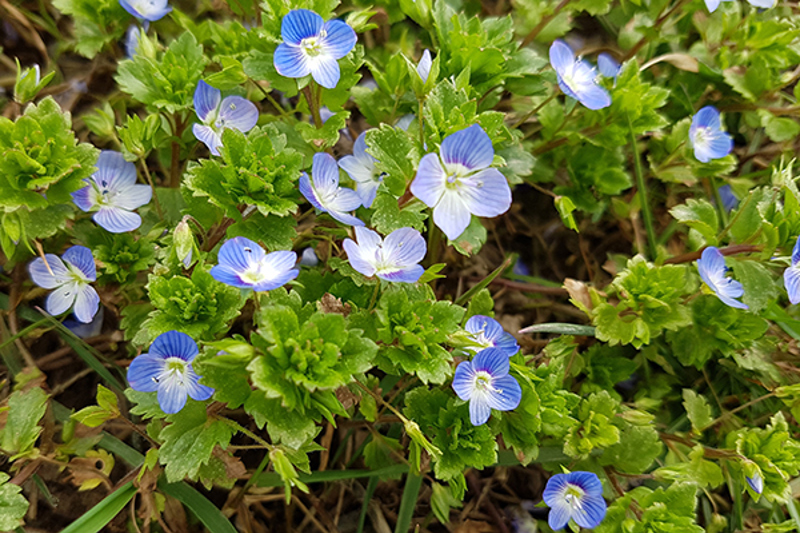
Scrambling speedwell (Veronica persica)
Speedwell is a challenge to remove, so a preventative approach works best to control it. Maintaining a healthy, vigorous lawn helps to prevent it from getting started. Speedwell takes advantage of bare patches of soil to establish, but it needs to work a lot harder to compete with dense, thriving lawn grass.
Because speedwell is tolerant to most selective herbicides, it’s notoriously difficult to get rid of with regular lawn weedkillers. Research indicates that herbicides containing mecoprop are effective against speedwell in lawns, although repeat treatments may be required for complete control. Small, actively growing seedlings are much easier to control with an appropriate selective weedkiller than mature, widespread infestations. It's always best to tackle speedwell while it’s still small, before it spreads out into large patches.
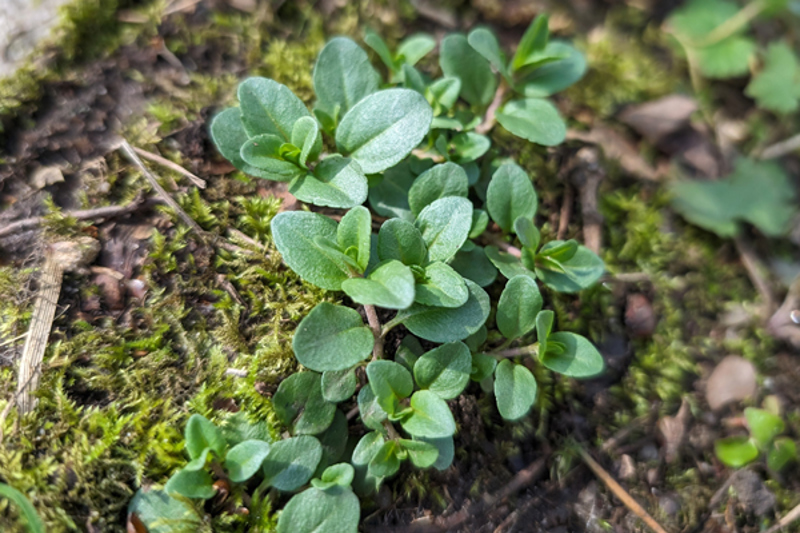
Turf speedwell (Veronica serpyllifolia)
Consider removing large, established speedwell infestations with a non-selective weedkiller, like Yates Zero Super Concentrate Weedkiller. Spot-spraying speedwell patches with Yates Zero will also kill lawn grass, so be prepared to over-sow the resulting bare patches with grass seed.
Removing speedwell by hand is an option, but make certain to remove all traces of the roots and runners, to prevent the remnants from re-growing.






Share
Share this article on social media