






Yates Woody Weedkiller - Concentrate
Particularly effective weedkiller for woody scrub weeds, hard-to-kill broadleaf weeds and re-sprouting tree stumps.
Create a Yates account today!
Sign up to join the Yates Garden Club for monthly e-mails packed with seasonal inspiration, tips for success & exclusive promotions.
Plus if you’re a Garden Club member you can take part in the Yates Growing Community - a blog to share successes, get advice & win prizes in fun challenges along the way!

Enter the email address associated with your account, and we'll email you a new password.
Achillea millefolium
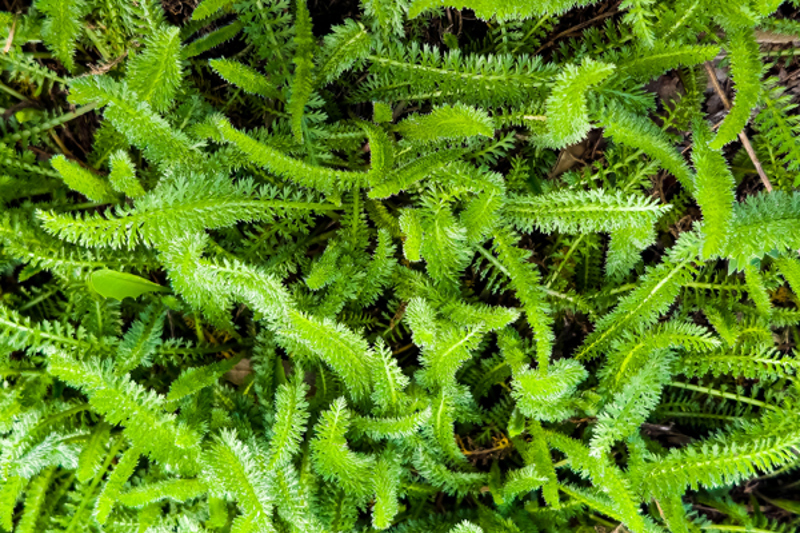
Yarrow is one of those weeds that’s beneficial in the right place, but a complete pest if it spreads where it isn’t wanted. Yarrow is right at home in a medicinal herb garden, and it’s often found in pasture – yarrow was originally introduced into NZ to feed livestock.
Yarrow is very hardy, being able to tolerate freezing temperatures, drought, poor soil and hard mowing. Unfortunately, it’s also tolerant to many popular herbicides, which makes it quite a challenge when it invades a lawn!
Yarrow is a flowering perennial that germinates from seed, then quickly spreads by pushing out extensive creeping rhizomes. The underground rhizomes enable wild yarrow to out-compete lawn grass. Rhizomes can also remain in the soil after spraying or hand removal, so yarrow will often regenerate after treatment, requiring multiple sprays to get long-term control.
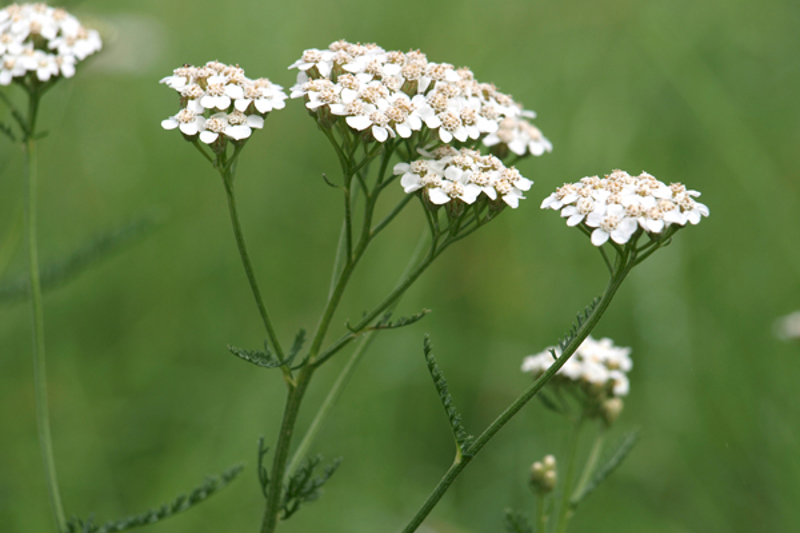
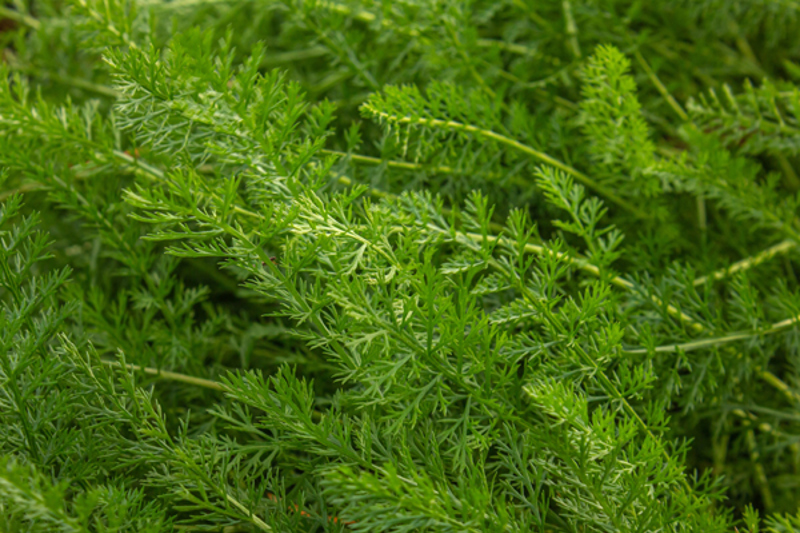
Yarrow forms tall stems with fern-like, feathery leaves, reaching up to 80cm high. When regularly mowed, yarrow stems can spread out to form dense patches that stay low enough to avoid the mower blade.
Yarrow flowers from spring to autumn, forming distinctive flat-topped clusters of white flowers, sometimes with a faint pink tinge. The strong chrysanthemum-like scent of the flowers is polarising; they remind some people of camphor or balsamic vinegar, but others find the smell harsher and quite unpleasant.
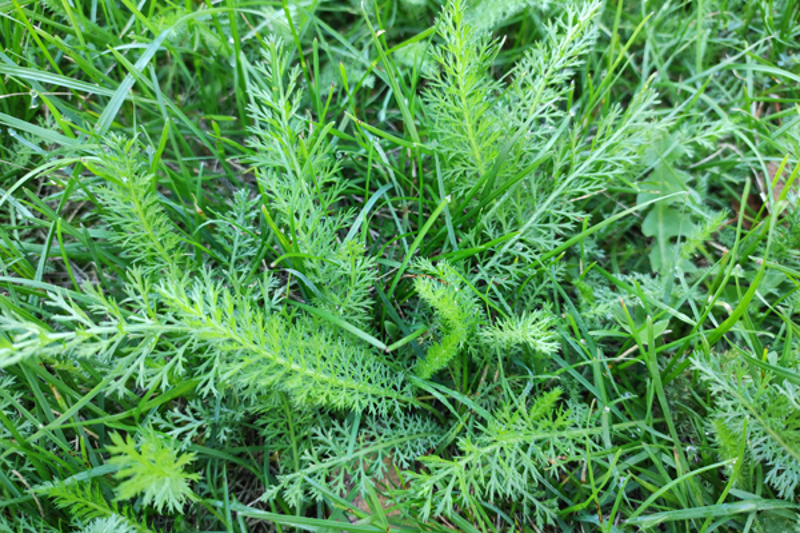
Yates Woody Weedkiller is our favourite option to control yarrow in lawns. However, due to the persistent underground rhizomes, you may need multiple sprays to get complete control; monitor the lawn and respray if new growth appears. It may take more than a single season to eliminate yarrow from a lawn. Yarrow also has waxy-textured leaves that make it difficult for herbicides to penetrate, so we recommend adding Yates Pulse Penetrant to your weedkiller mix to boost performance.

To get the best results from selective weedkillers, always treat yarrow while it’s actively growing – autumn and spring are the best times. Keeping lawn grass healthy and dense makes it harder for yarrow to get established, so feeding your lawn regularly with a controlled-release lawn fertiliser and over-sowing bare patches in autumn will pay dividends.
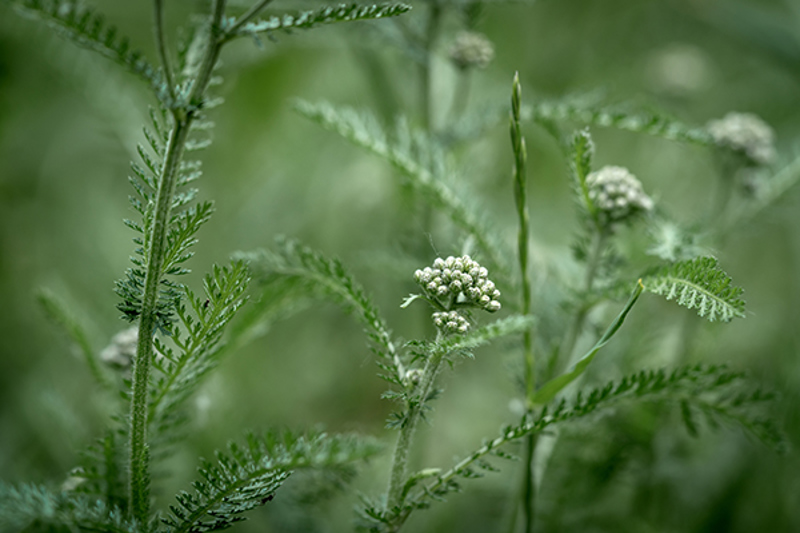
Individual yarrow plants can be dug out by hand - but take care to remove all the roots and rhizomes, because even tiny remnants can re-grow.
Apply and maintain a layer of mulch around your garden plants, to help suppress new yarrow seedlings.
If you don't need to worry about grass, you can spot-spray yarrow with Yates Zero Tough Weedkiller (be careful not to get overspray on your desirable plants).
Pro Tip: Tackling yarrow early will prevent small patches from turning into large infestations, which are harder to control. Likewise, removing yarrow before it flowers and sets seed will reduce the effort needed to get rid of it.


Share
Share this article on social media