

Carrot 'Topweight'
An old favourite, Topweight is a vigorous grower with a crisp, rich orange root, and a distinctive pointy taper. Delicious flavour, especially when young.
Create a Yates account today!
Sign up to join the Yates Garden Club for monthly e-mails packed with seasonal inspiration, tips for success & exclusive promotions.
Plus if you’re a Garden Club member you can take part in the Yates Growing Community - a blog to share successes, get advice & win prizes in fun challenges along the way!

Enter the email address associated with your account, and we'll email you a new password.
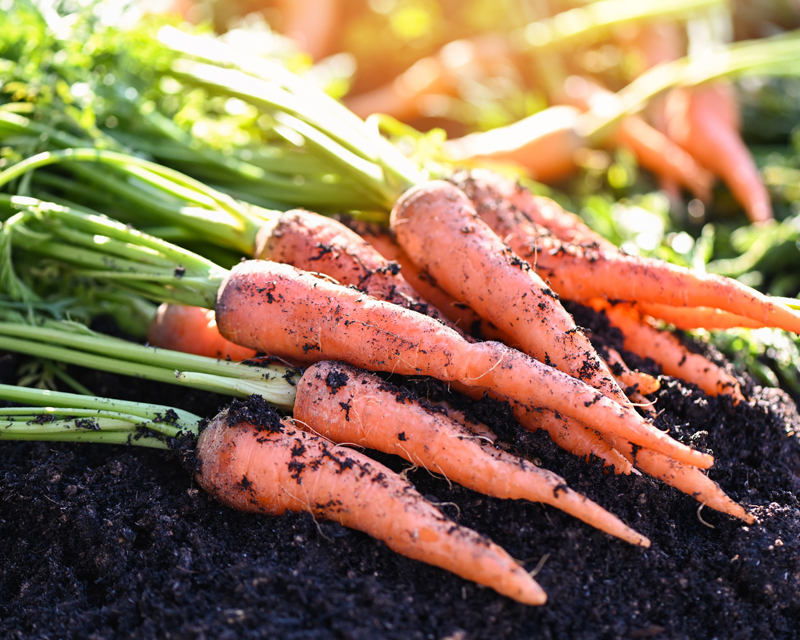
Carrots are a very cold-hardy vegetable; they do best in cool conditions, so they're an ideal winter crop. In fact, carrots that have been through a few frosts actually taste sweeter than those grown in warmer conditions!
Growing carrots can be quite challenging during warm seasons. Seeds are small and sown quite shallow, making them very prone to drying out. The good news is, winter weather makes it much easier to keep soil moist, allowing the tiny seeds to establish well.
Yates Carrot 'Topweight' are a great choice for sowing all around New Zealand in June.
Growing Tips:
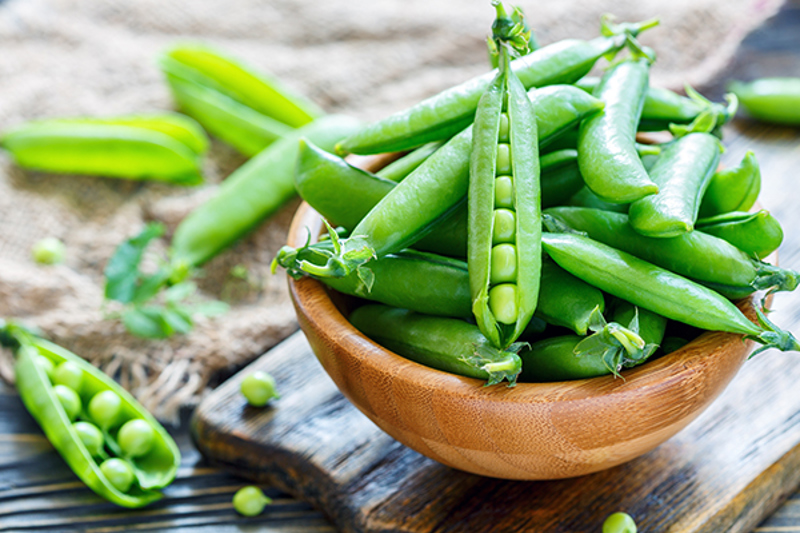
Whether you like the crunch of delicious snow peas or the sweet little peas inside sugarsnap pea pods, June is the perfect time to get your pea patch started.
Climbing peas like snow and sugar snap peas are the ultimate space saver vegies. They can be grown along a trellis on a fence or up a tepee or tripod, taking up minimal horizontal space.
They’re also great for growing in pots, so you can grow climbing peas on a sunny veranda, courtyard or balcony.
Yates Chinese Snow Peas Climbing produce crisp, sweet pods that can be eaten whole (they’re a terrific in-garden snack), steamed, used fresh in salads or added to stir fries. Kids love snow peas too and a small handful in their school lunchbox is an easy way to add more vegies into their diet.
Yates Peas Sugarsnap Dwarf have juicy, sweet flavour packed pods that can be eaten whole when young or shelled when mature. Shelling peas is a fun activity for kids and the little peas inside are delicious.
Growing Guide:
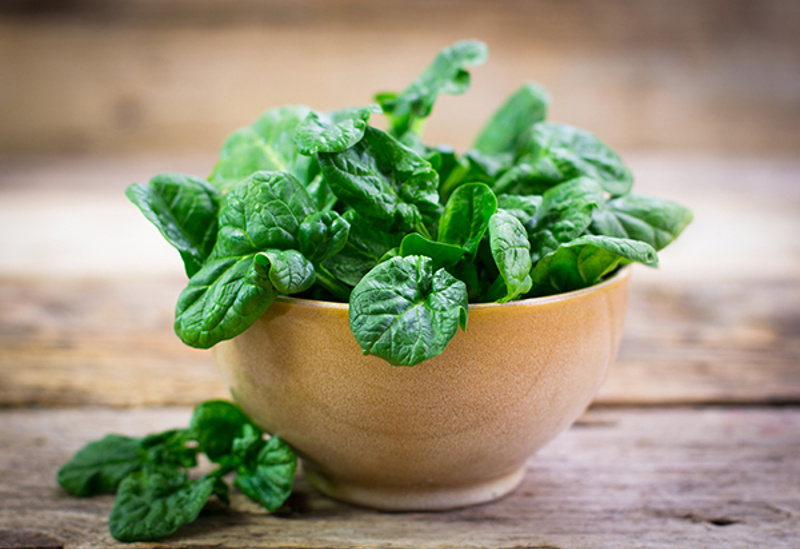
Yates Spinach 'Winter Queen' is a tasty, prolific and early maturing spinach variety. It can be sown throughout New Zealand in June. It’s easy; just sow a few seeds in a clump, direct where they are to grow, in a sunny spot. Seeds will take 1–3 weeks to germinate (don’t give up on them too quickly!) and you can be harvesting leaves in as little as 8–10 weeks.
The beauty of loose-leaf vegies like spinach is that you can harvest leaves as you need them, they'll keep on producing more.
Don't have a vegie patch? Not a problem! Yates Spinach 'Winter Queen' can also be grown in pots. Choose a sunny spot on a patio or balcony. It’s helpful to rotate the pots 180 degrees each week, so that as many of the spinach plants as possible are exposed to sunlight.
Here are some spinach recipe ideas to inspire you:
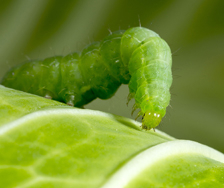
Pest watch: keep an eye out for caterpillars on your leafy greens. Caterpillars are voracious, they can devour entire plants if left to their own devices. Keep them under control with regular sprays of ready-to-use Yates Natures Way Fruit Vegie Gun, ensuring you spray the upper and lower surfaces of the foliage, to reach hidden caterpillars.
To grow a bumper harvest of spinach, it’s important to keep the soil moist. Feed each week with Yates Thrive Vegie Herb Liquid Plant Food, which provides fast-acting nutrients to promote healthy, delicious growth. Keep on harvesting leaves regularly; the more often you pick, the more fresh new leaves will grow. Enjoy!


Share
Share this article on social media