


Heirloom Beetroot Mix
A classic heirloom beetroot blend, with striking candy-striped Chioggia, red, white, and stunning golden (red on the outside) cultivars. Brightens up a salad!
Create a Yates account today!
Sign up to join the Yates Garden Club for monthly e-mails packed with seasonal inspiration, tips for success & exclusive promotions.
Plus if you’re a Garden Club member you can take part in the Yates Growing Community - a blog to share successes, get advice & win prizes in fun challenges along the way!

Enter the email address associated with your account, and we'll email you a new password.
We live in a world where industrial horticulture and supermarket supply chains favour efficiency, uniformity, shelf-life and high yields. Commercial growers meet these demands by using purpose-bred, high performance hybrid crops.
As home gardeners, we aren’t constrained by those functional necessities, so our gardens can deliver so much more.
We’re free to choose our plants for taste, texture or colour. If we discover a plant has a cool back-story, we can indulge our curiosity to try it out. We can stick with our grandparents’ old favourites, because it reminds us of them. All these extra layers of meaning lend a rich emotional payoff to growing your own food, that a supermarket simply can’t provide.
Traditional heirloom seed varieties offer something profoundly different to modern hybrids: they connect us to our gardening ancestors. These seeds are our heritage, wrapped up in history, meaning and cultural richness. They all have their own story, that includes provenance and whakapapa. Many have a special place in heritage cuisine. It’s fair to say heirlooms reward us with a large measure of satisfaction; when you know their origin, it feels good to grow them.
From a purely functional point of view, heirloom seeds preserve valued genetic traits, that have already stood the test of time. They contribute to the ongoing genetic diversity, adaptability and resilience of plants. Heirloom seeds can be saved and replanted year after year, reliably producing consistent results.
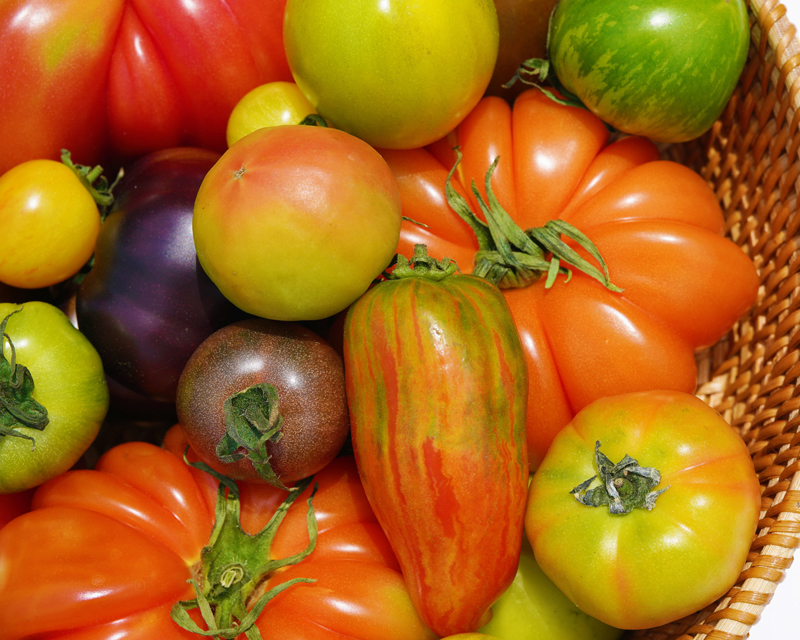
Technically, an ‘heirloom’ is a unique, open-pollinated cultivar, that’s been established for longer than 50 years.
Heirloom is an apt description, because these varieties naturally hold on to their characteristics (unique taste, colour, shape etc.), passing them down from generation to generation. A major benefit of heirlooms is their dependability. Gardeners can rely on getting the results they expect, so many gardeners happily stick with their familiar favourites, year on year. In this way, heirloom plants can be passed down through generations of family gardeners.
At Yates, we adore heirlooms. We’ve been selling them for over 140 years! Amusingly, Yates itself could be considered an heirloom, because we’ve been around for longer than many of the heirloom seeds that we sell.
Every heirloom seed has a unique story. Some have deep personal meaning to gardeners; especially when cherished seeds were gifted by somebody special.
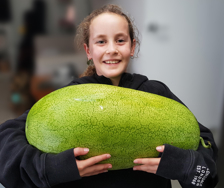
Others have a story that reflects their origin, or their journey to reach us. Throughout history, when people travelled, their favourite heirlooms accompanied them. Humans have been sharing heirlooms since the dawn of civilisation. Trade networks like the Silk Road or Spice Route disseminated culture, technology, art…and heirlooms, throughout the world. Wherever heirlooms find a fertile new home, they flourish; in time, they can earn a special status, even becoming embraced as a cultural legacy. We have our own well-loved example in kamokamo.
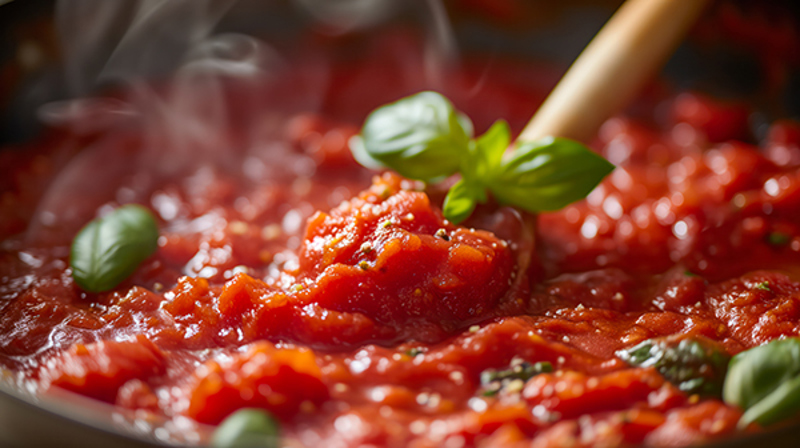
Very often, heirloom varieties are linked to the world’s great heritage cuisines. There’s a natural affinity between gardening and cooking; they’ve always enriched each other. Growing your own food is a deeply satisfying cycle of nourishment and creativity. When you’ve grown the ingredients yourself, it deepens your connection to a meal – your cooking feels more personal. Culinary curiosity also inspires you to experiment with new plants, as you discover new flavours and dishes. Together, gardening and cooking create a rhythm between garden and table, that deepens our appreciation for both.
When your cooking aligns with the harvest seasons in your garden, you get the freshest of ingredients, right through the year. Planning ahead for sowing and planting is the key to a continuous supply of seasonal favourites. For example, if colourful summer salads and fresh herby dressings are your ‘thing’, spring sowings of heirloom tomatoes, lettuces, true oregano and basil will be ready to go when the warm season arrives. Plus, if you sow your heirloom seed a little at a time, your harvest will keep coming for longer.
Heirloom crops naturally have a broad genetic foundation, because they’re open-pollinated, i.e. by wind, insects, or birds. Many different sources of pollen lead to a high level of genetic variation, which is Nature’s way of keeping a population adaptable and resilient. Now and again, the genetic lottery will produce a ‘lucky’ plant with enough natural resistance to survive even the worst disease and keep reproducing.
Growing large areas of genetically uniform monoculture crops degrades these natural defences. An awful example of this type of genetic deficiency was the historic 'Great Famine' in Ireland. At that time, Ireland relied heavily on a single potato variety as a staple source of food. Almost every potato in the country was a genetically identical clone, so there weren’t any ‘lucky’ plants that could resist the late blight disease that spread through Ireland like wildfire, leading to the deaths of a million people from starvation.
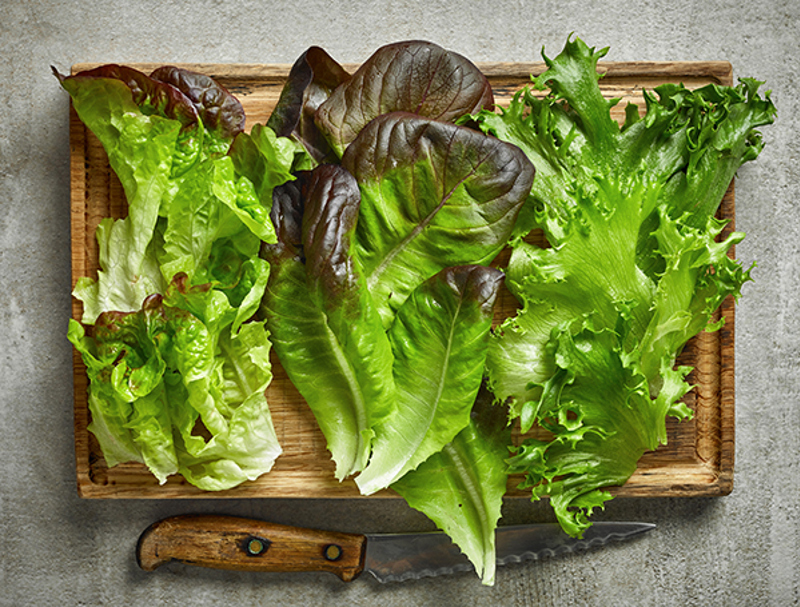
It’s a natural process for the genetic traits of open-pollinated plants to shuffle and change ever-so-slightly over time, but this happens so slowly it isn’t noticeable. However, plant breeders can short-cut the process and intentionally shape this genetic change, by using selective breeding to ‘fix’ desirable traits in a new cultivar. This is how your heirlooms were created in the first place!
Centuries ago, some clever gardener would have discovered a superior plant, trained it to breed true by careful selection, then sent it out into the world to other gardeners. In their gardens, the brand-new heirloom relaxed back into a normal, imperceptibly slow rate of change. Generations later, that heirloom still retains its special character in your garden.
It’s important to note that heirlooms need to be continually saved and sown by seed producers or gardeners, to preserve their unique traits. Countless heirlooms have been lost to history, so every time a gardener chooses to grow one, they are helping to keep it in circulation.
Because many heirlooms are a plentiful source of pollen, they support biodiversity. A home garden that contains a good range of heirlooms provides an attractive habitat for bees, butterflies, and beneficial predator insects. Insects need a diverse diet of nutrients from a range of plants to stay healthy. In return, these little helpers boost the overall health and productivity of your garden.
In contrast, large commercial fields planted with a single species of crop (monocultures) can’t provide all the nutrients pollinators need, so they risk becoming ‘green deserts’ that weaken and suppress insect populations.
Many heirloom varieties owe their popularity to pest and disease resistance they’ve naturally developed over centuries of adaptation. For growers who prefer not to use pesticides or fungicides, this reduced risk is an attractive proposition, so check for a “disease resistant” claim on heirloom seed packets.
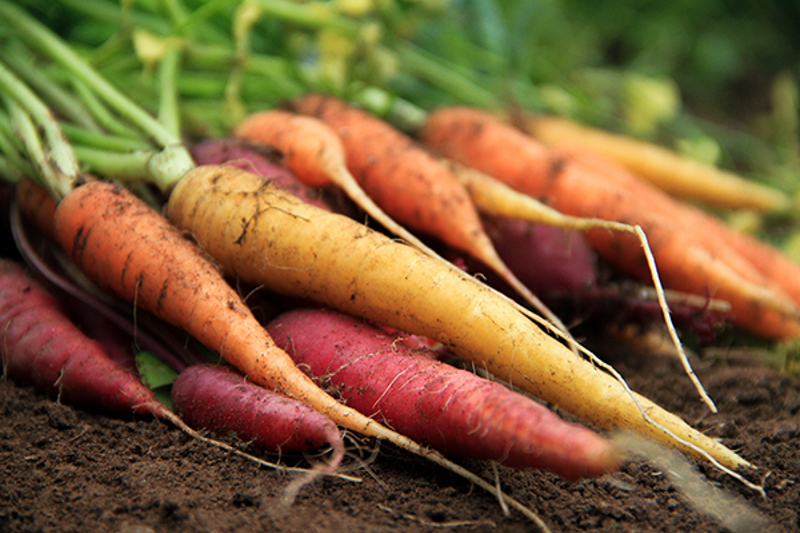
Fun fact: After gardeners started cultivating carrots to eat in about the 10th Century, all sorts of colours got bred into them. Carrots came in bright purple, red, black, white, and yellow hues. The orange-coloured carrots we use today were bred much later, during the 17th Century.
One of the defining features of heirloom seeds is that they can be saved and replanted year after year. This is an advantage over hybrids, which don’t stay the same; hybrids will usually take after one of their grandparent plants.
Heirloom seed saving enables local swaps, community gardens and seed libraries. Seed saving is a classic method for preserving or rediscovering ‘lost’ heirlooms.
We often hear people state heirloom fruit and vegies have better flavour than hybrids…like many sweeping generalisations, this one is a little bit unfair. Modern commercial varieties are bred for characteristics that suit the retail sector, like long shelf-life or robustness during transport.
Lots of people believe taste isn’t the top priority for commercial growers; that may well be correct, but it isn’t the reason for the perceived difference in taste. The real challenge to superior taste for commercial produce is freshness.
This is where home gardening wins out, every time. It’s impossible for store-bought vegies to be as fresh or sweet tasting as the ones you just picked and brought inside. From time of picking, the clock is ticking!
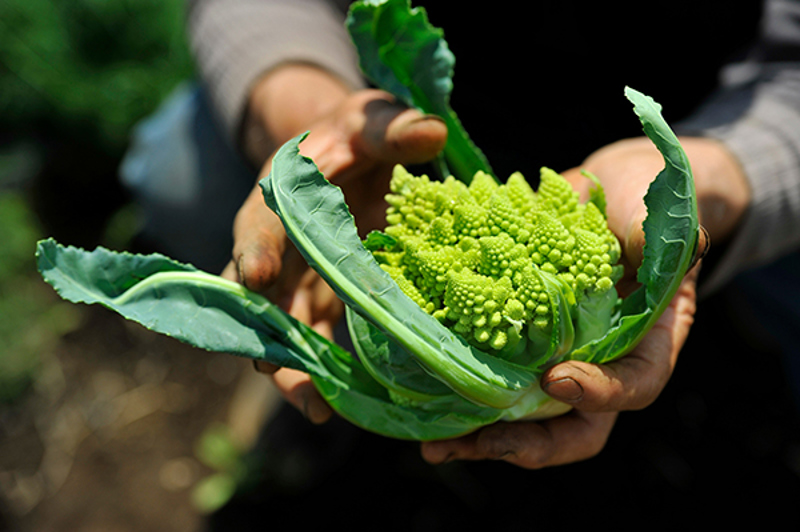
Fun Fact: Romanesco broccoli has been with us since the 17th Century. It has a curious claim to fame: the distinctive spirals are rare natural examples of fractal geometry, because they form repeating 'golden' logarithmic spirals that follow a Fibonacci sequence...they're mathematically perfect.
Here’s why: living plants use oxygen and glucose (sugar) for respiration, to make energy to power the plant. After being harvested, a vegetable or fruit’s supply of fresh oxygen and glucose is cut off, but it still attempts to produce energy. So, the fruit starts to burn through its own glucose content. Problem: it’s the glucose (and related sugars) that makes fruit taste good! While fruits and vegetables sit in a chiller, the glucose content is steadily depleting. Fresher really is better.
Homegrown vegies also taste better because they can fully ripen on the plant. In contrast, commercial vegies may be picked a little early, so they peak while they’re in the supermarket. Leaving vegies to ripen in their own good time boosts the sugar content, for better flavour.
It’s 100% true that heirlooms were traditionally selected by growers for their sweetness, aroma and texture, so it’s in their nature to taste amazing. But even if your vegies aren’t heirlooms, if they’re fresh out of the garden, they’re pretty much guaranteed to be a delight for the tastebuds. Let’s call that a win/win!
Due to natural genetic diversity, certain heirlooms will offer stand-out nutritional advantages, e.g. high levels of specific antioxidants or micronutrients. Because nutrient-density correlates with great taste, they tend to remain the most popular choices!
It’s also entirely possible for hybrids to be purpose-bred to contain elevated concentrations of vitamins, minerals and proteins. These hybrids are included in a class of plants known as biofortified crops, developed to combat malnutrition and preventable childhood diseases.
The usual method to measure nutrient density is to test ‘Brix’ levels with a refractometer or spectrometer, the way it’s done in a vineyard, but for most home gardeners that’s an unnecessary hassle when you can simply use your tongue to measure sweetness.
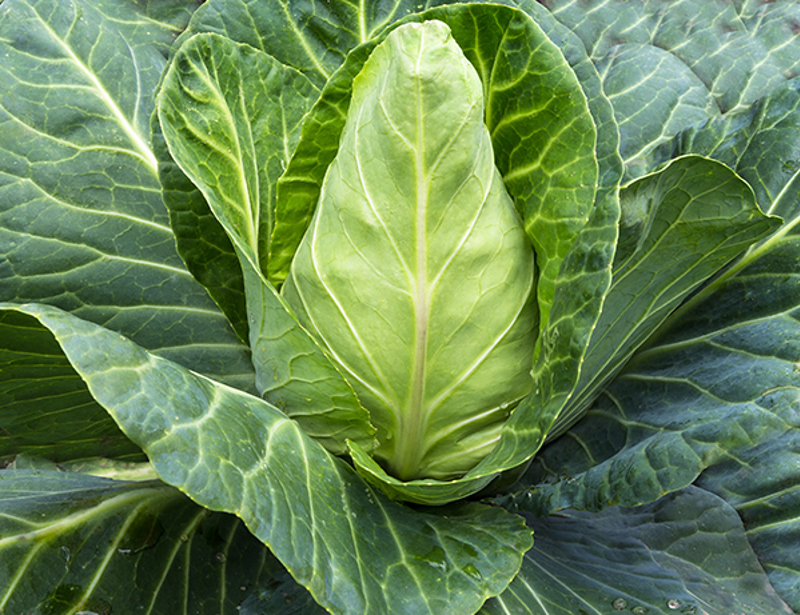
Fun Fact: 'Sugarloaf' cabbage was getting rave reviews in gardening books way back in the 17th Century! It earned its name by being cone-shaped, pointy and sweet-tasting: until the late 19th Century, household sugar was only available as a tall cone, called a 'sugarloaf'. These were so hard, they needed special pliers to nip the sugar off.
Fortunately, getting maximum nutritional value from your produce is also very simple. Just use the same approach as you do for best taste: let everything mature fully, then eat it immediately after you pick it. Because you’re in control, you can extract the maximum nutrient potential from home-grown produce, regardless of whether it’s an heirloom or a hybrid.
Because each different cultivar will have unique nutritional advantages, it follows that a varied diet, made up from a repertoire of different varieties will deliver a wider spectrum of nutrients. Why stick to a single tomato, when you can grow 3-4 different tomatoes?
Crop rotation also boosts nutrient density, by refreshing soil minerals, fixing nitrogen (by growing legumes) and nurturing soil microbes that assist the nutrient uptake of your plants.
Trigger Warning: We are about to make a claim that might challenge your current garden thinking. We observe that many gardeners are exclusively choosing heirlooms, because of a general distrust of hybrid varieties. There’s an awful lot of garden lore circulating that unfairly maligns hybrids, but much less information out there that explains their benefits, and the role they play in a successful garden.
If you’re one of the many gardeners that immediately think “nope” when someone says the word “hybrid”, we’d love to set the record straight by explaining what they are, how they’re produced and offer you a balanced viewpoint that just might set your mind at rest. Hybrids are more natural than you think – Nature produces them all the time!
For the record, we love both heirlooms AND hybrids. In fact, hybrids complement heirlooms – they have different strengths and benefits, that suit different situations. We advocate keeping them both in your repertoire, because they both have a lot to offer.
Despite most hybrids being developed for commercial growers, there are hybrids available that have been bred for superior taste. Naturally, these are the hybrids we choose for the Yates range, because our seeds are curated for home gardeners. If you eat them fresh-picked, they taste every bit as good as our heirlooms.
Don’t let anyone tell you hybrids are lacking in nutrients, either! There’s a lot of disagreement online on this subject, with some pretty dubious information being circulated. From our point of view, this issue is irrelevant in a home garden. All you need to do is allow your fruit and vegies time to ripen fully, before you harvest. Then, eat them fresh. Problem solved!
Hybrids are a different story. They deliver excellent performance benefits for gardeners, so you can generally expect better yields, or bigger fruit and vegies. However, developing a good hybrid demands many years of trials and painstaking commitment from the seed breeder. It’s common practise for breeders to protect their hard work with patents, which limits the availability of brand-new seeds, and usually leads to hybrids being more expensive than old heirloom favourites.
It’s very rare that heirlooms are somebody’s intellectual property, so they are freely available to everyone, at accessible prices. Heirlooms are egalitarian, they’re ideal for sharing!


Share
Share this article on social media