





Yates Hydrocotyle Killer - Concentrate
An effective selective weedkiller for the control of hydrocotyle, creeping oxalis, broadleaf weeds (including daisies and clover) in grass lawns.
Create a Yates account today!
Sign up to join the Yates Garden Club for monthly e-mails packed with seasonal inspiration, tips for success & exclusive promotions.
Plus if you’re a Garden Club member you can take part in the Yates Growing Community - a blog to share successes, get advice & win prizes in fun challenges along the way!

Enter the email address associated with your account, and we'll email you a new password.
Trifolium spp.
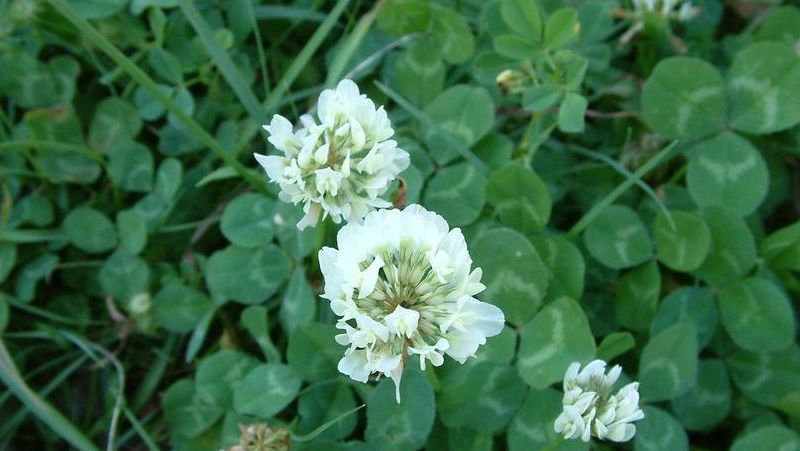
Clover is a very common weed of lawns. Clover has leaves with three leaflets and creeping stems that develop new roots, wherever they touch the ground. Most species flower in shades of white (e.g. White Clover, Trifolium repens), pink (e.g. Strawberry Clover, Trifolium fragiferam) or purple.
White clover, like many other members of the pea family (Fabaceae), can fix nitrogen from the air to use as nutrients for leafy growth. This allows white clover to thrive in poorly fertilised lawns. A great method to prevent clovers from taking hold is to make sure your lawn is well fertilised and growing strongly, during the warmer months.
Some home owners grow a complete lawn using clover; in this case, be careful not to use selective herbicide on your lawn.
For Lawns: During the warmer growing months, prevent clovers taking hold by ensuring your lawn is well fertilised. Apply a selective herbicide every 3 weeks (or as directed by the label instructions) until the clover has been adequately controlled.
In Garden Beds: Spot spray with a non-selective weedkiller, like Yates Zero Super Concentrate.


Share
Share this article on social media