







1. Yates Lawn Grub & Porina Kill + Protect - Hose-on
The quickest and easiest application method, for medium to large lawns.
Create a Yates account today!
Sign up to join the Yates Garden Club for monthly e-mails packed with seasonal inspiration, tips for success & exclusive promotions.
Plus if you’re a Garden Club member you can take part in the Yates Growing Community - a blog to share successes, get advice & win prizes in fun challenges along the way!

Enter the email address associated with your account, and we'll email you a new password.
As grass grub beetles and porina moths begin to fly and lay eggs in your lawn, you can prevent their yearly cycle of damage from getting started.
If they're left alone, their destructive feeding habits leave a lawn looking awful, weakened and more vulnerable to weeds and dry weather.
If you act now, you can enjoy an undamaged lawn next autumn and winter. Here's how.
For New Zealand lawns threatened by grass grub, porina, bronze beetles or other sub-surface pests, Yates Lawn Grub & Porina Kill + Protect products powered by Acelepryn® provide the best combination of efficient control and extended protection.
When Acelepryn® is applied at the higher label rate, it can provide up to six months of protection. This allows you to plan ahead to interrupt the life cycle of these key lawn pests, to help prevent next year’s infestation. An application in November stops newly hatched grass grub and porina larvae from maturing, so it heads off the damage that usually occurs over autumn and winter when the grubs/caterpillars get bigger (and hungrier).
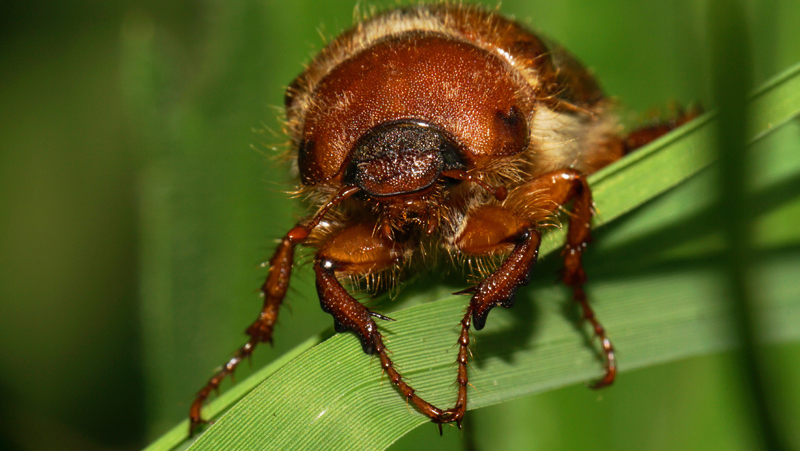
It's ideal timing this month, because swarms of NZ grass grub beetles lay their eggs into lawn soil from October-December. Bronze beetles are also flying and laying eggs during the spring-summer period. Both these nocturnal beetle species are very unpopular, as they often chew holes in garden plants and fruit trees. Porina moths are also flying from October-December, indiscriminately scattering thousands of eggs as they go. If you treat your lawn this month, you can interrupt the life cycle of all these pests.
Even better, proactively apply Yates Lawn Grub & Porina Kill + Protect twice a year, to prevent lawn pests from getting started at all!
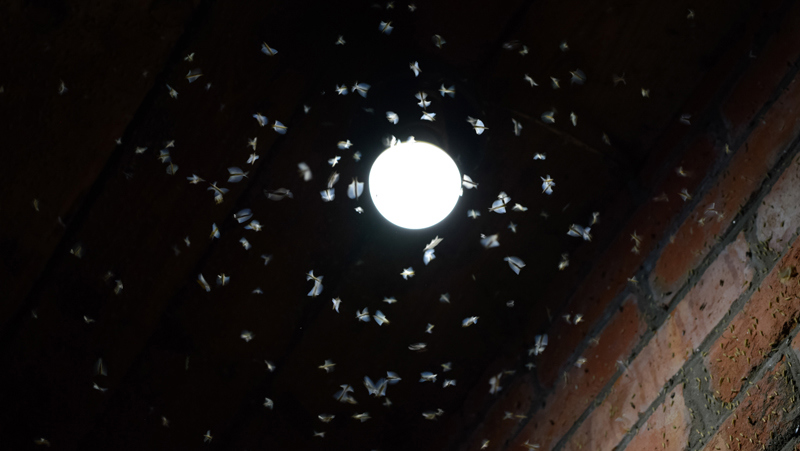
The most common symptom of grass grub infestation is brown dead patches developing in the lawn, or sometimes, sections of grass that can be easily lifted up, like the edge of a carpet. Also, if plants in your garden or pots are wilting despite being well watered, it's a possible symptom of grubs feeding on roots.
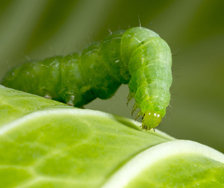
Damage from porina caterpillars is most noticeable during autumn and early winter. They don't move far from their burrows, so their grazing leaves distinctive bare soil patches with pencil width burrow holes in the centre. In heavy infestations, the individual bare spots can join up into very large bare or weedy areas, causing serious damage to lawns.
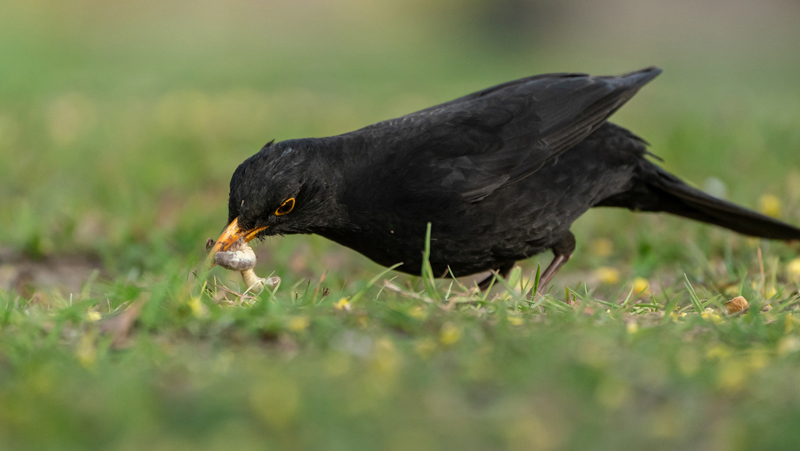
If you see birds pecking at the lawn and leaving divots, it can be a sign that porina caterpillars are present (the birds will be searching for juicy caterpillars).
Pro Tip: Adult grass grub beetles and porina moths are both attracted to light. If your outdoor lighting is near to your lawn area, try to use it sparingly and don't leave it on for extended periods, to make your lawn a less noticeable 'landing strip'.
The quickest and easiest application method, for medium to large lawns.
Choose granules if you prefer precise application and flexible treatment rates.





Share
Share this article on social media