




Yates Nature's Way Organic Citrus, Vegie & Ornamental Spray
Unique organically certified pyrethrum and plant-based oil combination insecticide, with twin modes of action against garden pests.
Create a Yates account today!
Sign up to join the Yates Garden Club for monthly e-mails packed with seasonal inspiration, tips for success & exclusive promotions.
Plus if you’re a Garden Club member you can take part in the Yates Growing Community - a blog to share successes, get advice & win prizes in fun challenges along the way!

Enter the email address associated with your account, and we'll email you a new password.
Phyllocoptruta oleivora
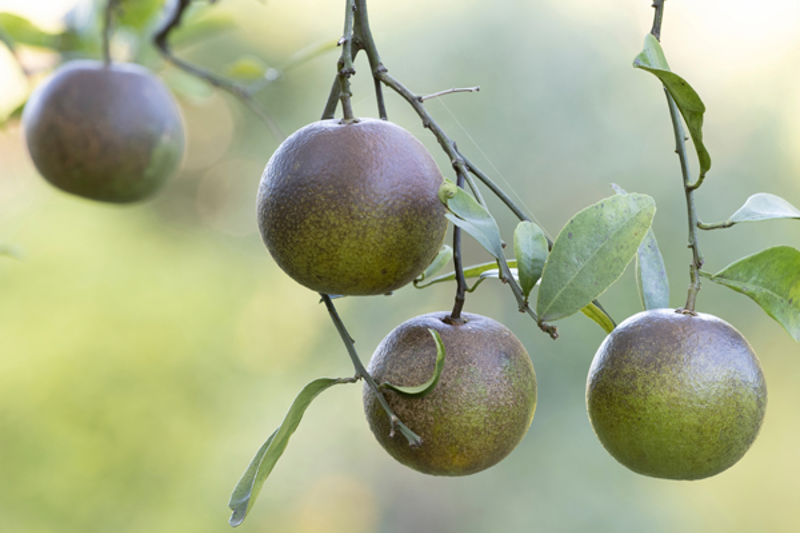
During warm, humid summer and autumn conditions, huge populations of citrus rust mites can develop rapidly. These microscopic mites pierce the outer surface of green, immature citrus fruit to suck out fluid nutrients, which causes permanent damage to the rind. As the fruit develops, the scarring becomes more obvious and unsightly.
Fortunately, the damage to fruit is mostly cosmetic. It makes the skin unattractive and unusable for zesting, but the inside of the fruit and the juice aren't affected.
To avoid blemished fruit, you'll need to be proactive, and tackle mites during the heat of summer. This prevents the mites from doing the initial damage while the fruit is still very small. Yates Conqueror Spraying Oil or Yates Nature's Way Vegie Insect Spray Natrasoap are popular concentrate choices to control mites. Alternatively, Yates Nature's Way Citrus, Vegie & Ornamental Spray is a convenient solution in a ready-to-use trigger pack.
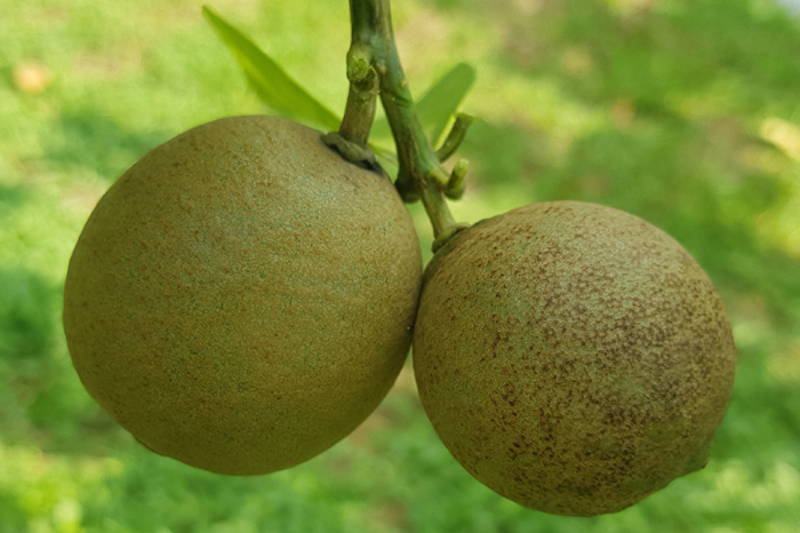
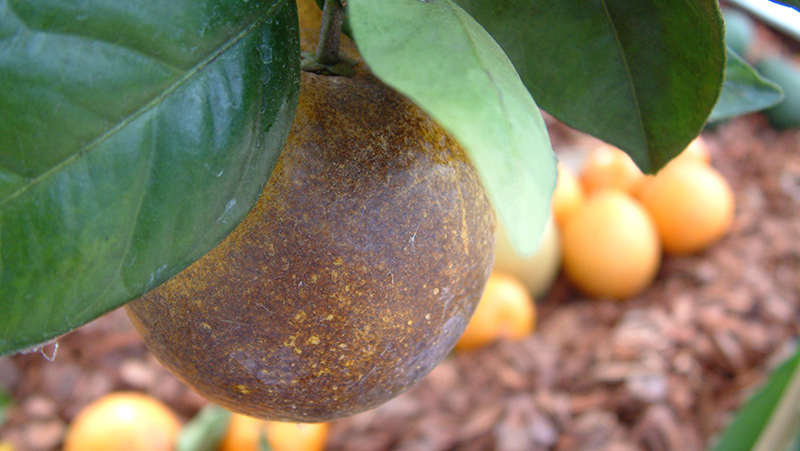
Fruit infested while very young develops russeting (rough, sandpaper-textured skin). Damage that occurs later in the fruit's development causes bronzing (discoloured blemishes, often with darker outer edges). Bronzing tends to be silvery-coloured on lemons and grapefruit, and rusty brown or black on oranges. All these blemishes show up more prominently as the fruit ripens and colours, becoming more severe the longer the fruit remains on the tree.
Citrus rust mites can also cause leaves to turn bronze, or bronzing to green twigs.
Extremely heavy mite infestations can cause premature fruit drop.


Share
Share this article on social media