




Yates Nature's Way Organic Citrus, Vegie & Ornamental Spray
Unique organically certified pyrethrum and plant-based oil combination insecticide, with twin modes of action against garden pests.
Create a Yates account today!
Sign up to join the Yates Garden Club for monthly e-mails packed with seasonal inspiration, tips for success & exclusive promotions.
Plus if you’re a Garden Club member you can take part in the Yates Growing Community - a blog to share successes, get advice & win prizes in fun challenges along the way!

Enter the email address associated with your account, and we'll email you a new password.
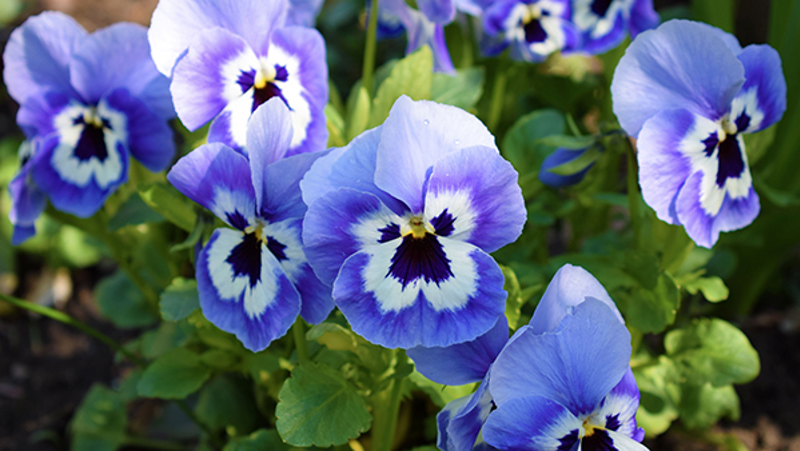
Violas (Viola cornuta) are a sort of 'little sister' to pansies. Their bright little blooms or ‘faces’ jump out at you and provide real character to your winter and spring garden. They come in gorgeous colours; they're an old-fashioned favourite for good reason.
If you like cool tones, Yates Viola 'Sorbet Violet Face' produces masses of charming little flowers, with deep purple petals in contrast with crisp white faces, sketched with darkest purple. Or, try Yates Viola 'Sorbet Marina' for an elegant statement, with it's delicate, graceful periwinkle-blue flowers. Both are unique, high-performing violas that look stunning in garden beds, pots or hanging baskets. Viola flowers are edible, so you can even add them to your meals for a bit of colourful whimsy.
The traditional name for pansies (the original type) was 'heartsease'. They certainly lift your spirits when they bloom in the bleakest part of the year! In the Victorian 'language of flowers', pansies signified thoughtfulness and compassion. Pansies are time-honoured favourites for winter or early spring colour. It’s not really surprising – they’re cold tolerant, they flower for months and they come in an stunning range of colours. One of our favourites is Yates Pansy Imperial Antique, which has a beautiful mix of pastel colour tones. For a more cheerful blend of bold, bright colours, try Yates Pansy 'Giant Supreme'.
Pansies are best sown into pots or trays of Yates Black Magic Seed Raising Mix and transplanted carefully once the seedlings are big enough.
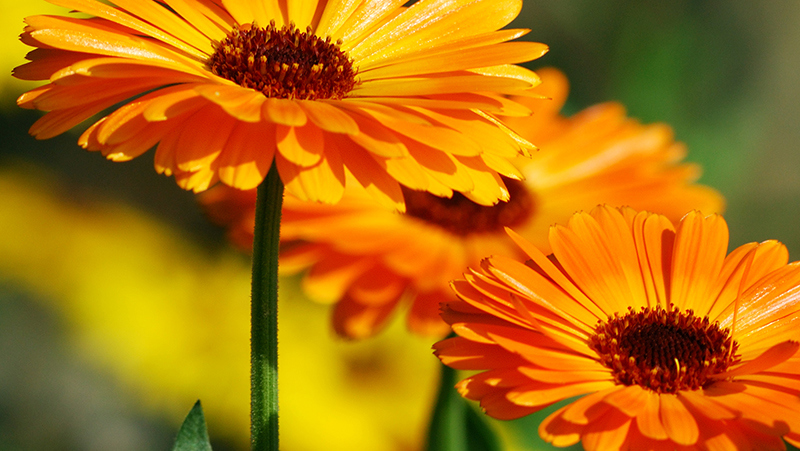
Yates Calendula ‘Pacific Beauty’ is our go-to variety. These calendulas only take 10 weeks to flower, putting on a bright show of apricot, yellow and orange flowers: cheerful tones that add warmth to the winter garden. Calendula flower petals are also edible, so you can also add a sprinkle of colour and flair to a salad. They’re also helpful for deterring insect pests like whitefly, so it’s a great idea to plant them all around the garden – even among the vegies!
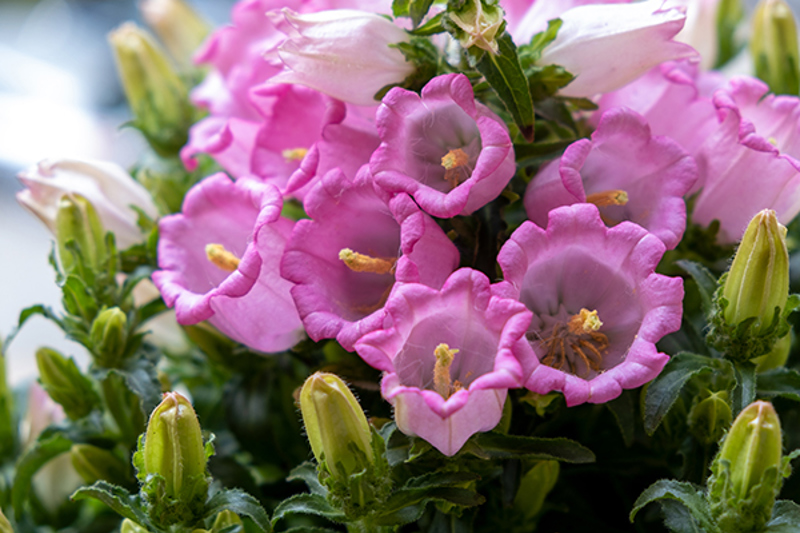
Some think they're old-fashioned, but pretty never goes out of style! We love Yates Canterbury Bells 'Cup & Saucer' - a mixture of pink, white and blue, single or double, bell-shaped blooms. This variety is a bit special: it's Campanula medium 'Calycanthema', which means each flower sits on its own distinctive wee 'saucer'. A tall Old-World favourite, that creates a classic cottage garden effect when planted en masse.
Also from the Campanula family, you could try Yates Carpathian Bellflower - it's a showy perennial that produces masses of large, upturned, starry violet blue flowers.
Growing Tips:
For the best blooms, sow Canterbury Bells in a sunny position that gets at least 6 hours of sunshine a day.

Gerberas have such bright happy flowers, with their blooms sitting high and proud on upright stems and making a very popular and striking cut flower.
Yates Gerbera Colour Mix contains a colourful blend of pink, white, yellow and light to dark orange flower colours.
Growing Tips:
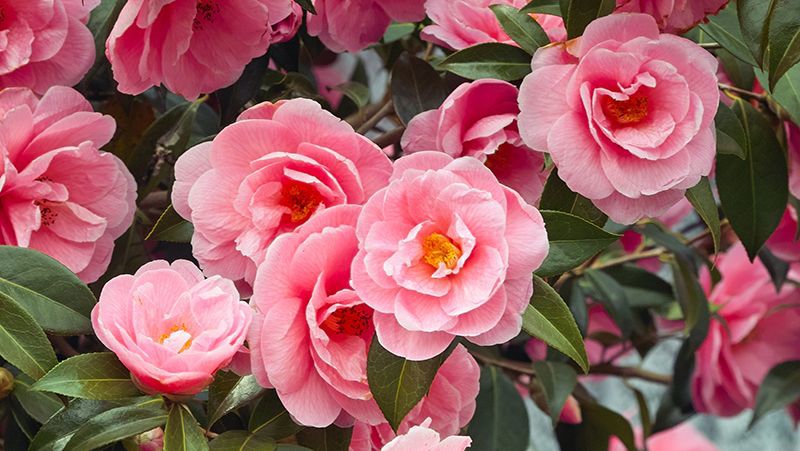
Camellias laden with flowers inject gorgeous colour into gardens, from autumn through to spring. Bees and birds love the flowers, so they're a great food source during the cooler months.
Whether your sasanquas have finished flowering, or your japonicas are about to burst into beautiful bloom, August is a great time to give camellias a good feed. This helps replenish their reserves after busy weeks of flowering, to set them up for good growth of fresh leaves in spring.
Yates Thrive Camellia, Gardenia Blueberry Granular Plant Food is a specially developed fertiliser to feed acid loving plants like camellias. It contains extra potassium to promote lots of flowers as well as nitrogen and phosphorus to encourage healthy leaf and stem growth and a strong root system. Scatter Yates Thrive Camellia, Gardenia Blueberry Granular Plant Food around the root zone of camellias after they’ve finished flowering and water in well after applying.
Camellias can be susceptible to attack from scale insects, which can appear as white, grey, black or pink bumps along stems and leaves. Ants crawling up and down stems and sooty mould (a black or dark grey ash-like covering over leaves and stems) can both indicate the presence of scale insects, as they’re attracted to the sweet honeydew that is excreted by scale.
Scale can be controlled with regular sprays of Yates Nature’s Way Organic Citrus, Vegie Ornamental Spray Ready to Use. Ensure all stems and leaves (including the undersides) are sprayed to the point of run off and repeat every week if required. Dead scale may remain on the plant for a few weeks after spraying.
Pruning tip: if you need to prune camellias, prune just after flowering has finished. Pruning later than this can lead to reduced flowers next season.


Share
Share this article on social media