
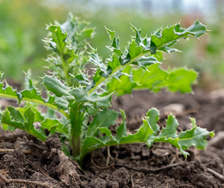




Yates Liquid Potash Fruit & Flower Booster
Easy-to-use liquid that delivers potassium in a format that is easy for plants to absorb and can be applied to both the soil and foliage.
Create a Yates account today!
Sign up to join the Yates Garden Club for monthly e-mails packed with seasonal inspiration, tips for success & exclusive promotions.
Plus if you’re a Garden Club member you can take part in the Yates Growing Community - a blog to share successes, get advice & win prizes in fun challenges along the way!

Enter the email address associated with your account, and we'll email you a new password.
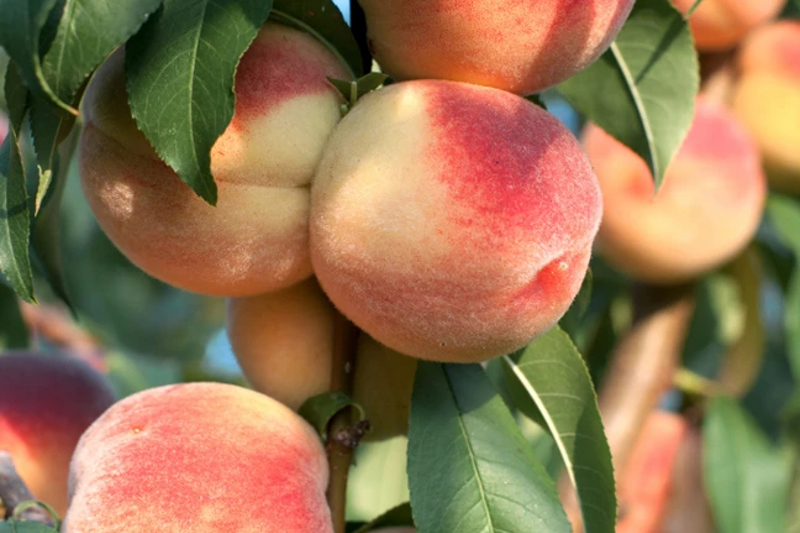
Stonefruit trees, like apples, peaches, nectarines and apricots that have finished fruiting can be summer-pruned now. Summer pruning reduces the risk of silver leaf disease, which is more likely to infect fresh cuts during winter.
Summer pruning also reduces tree's water requirements over the heat of summer, while maintaining the size and shape of trees at a perfect height for picking next season's fruit.
Trim back this season’s growth by 30-40%, to promote plenty of growth for next year’s crop. It's important to choose a dry day for pruning.
Yates PruneTec is a great solution to prevent Lemon Tree Borer larvae from burrowing into the fresh cuts; this can be disastrous for the health of a tree once borer larvae have penetrated its branches, and can be fatal if larvae enter the trunk. PruneTec also encourages natural healing and forms an elastic, UV-stable barrier that stretches as the plant grows.
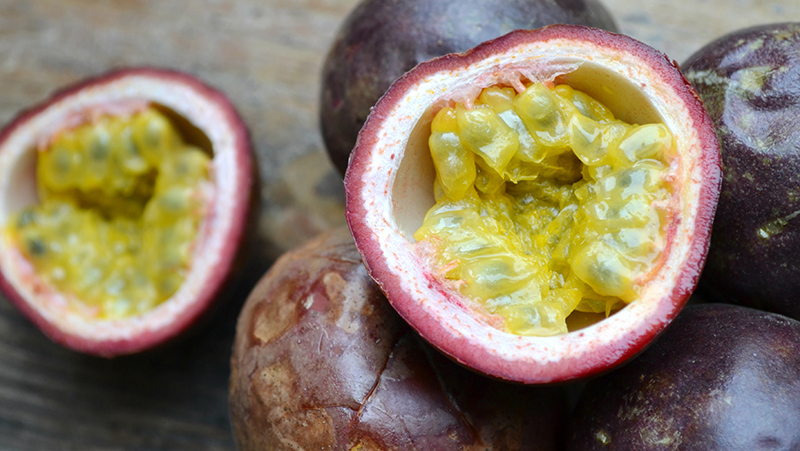
Passionfruit will love an application of Yates Flower and Fruit Booster Liquid Potash, as they need a good supply of potassium for prolific flowering and quality fruit. Often, garden soil will contain less of this important nutrient than passionfruit plants demand, so the soil nutrient balance often needs to be topped up for a great yield of juicy fruit. Flower and fruit specific fertiliser will generally contain extra potassium, but Yates Liquid Potash allows you to 'dial it up' a bit further.
In dry areas, give passionfruit a good deep drink each week, as lack of moisture can cause early fruit drop.
If you have a grafted passionfruit, keep an eye out for 'suckers', which are the spindly growing tips that try to shoot up from below the graft union (this is the bumpy bit on the stem, where the fruiting part of the passionfruit (the scion) joins onto the rootstock). Rootstock is chosen for its vigorous nature, so it can supply the scion generously with nutrients. Given half a chance, this energetic rootstock will shoot out its own suckers, that rob nutrients from the precious scion. Suckers quickly become dominant and will ruin the passionfruit yield; they should be removed as soon as you see them.
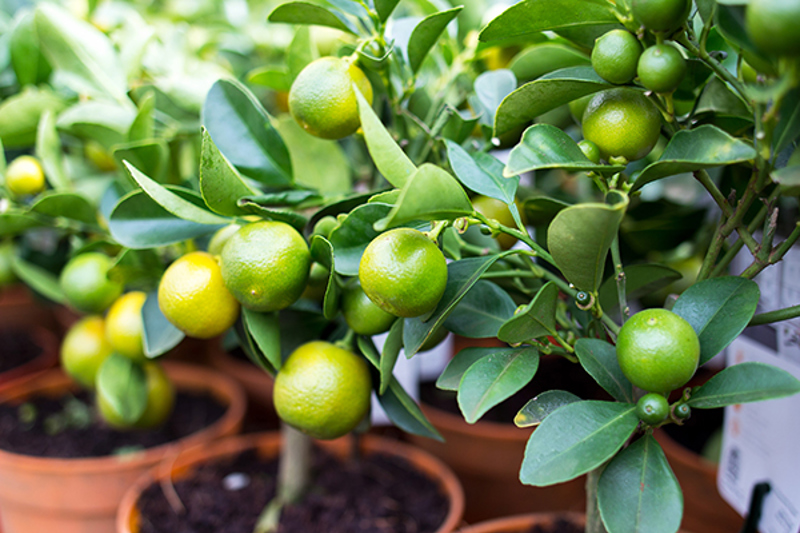
Potted fruit trees and plants always require extra care over summer. Plants in pots dry out a lot quicker than in-ground plants, plus they can quickly exhaust their limited supply of nutrients.
Regularly check the moisture levels in your potting mix, by gently pushing your finger into the top few centimetres. If some of the potting mix sticks to your finger, leave the watering for a day or so. But if it feels dry and dusty, it’s time to water!
During summer you can feed and water fruiting plants at the same time with Yates Thrive Flower Fruit Soluble Plant Food. It's a complete fertiliser, with nutrients in just the right proportions to encourage lots of flowers and fruit, along with foliage.
And don’t forget: add mulch onto the top of the potting mix in your pots – this really helps to reduce moisture loss.
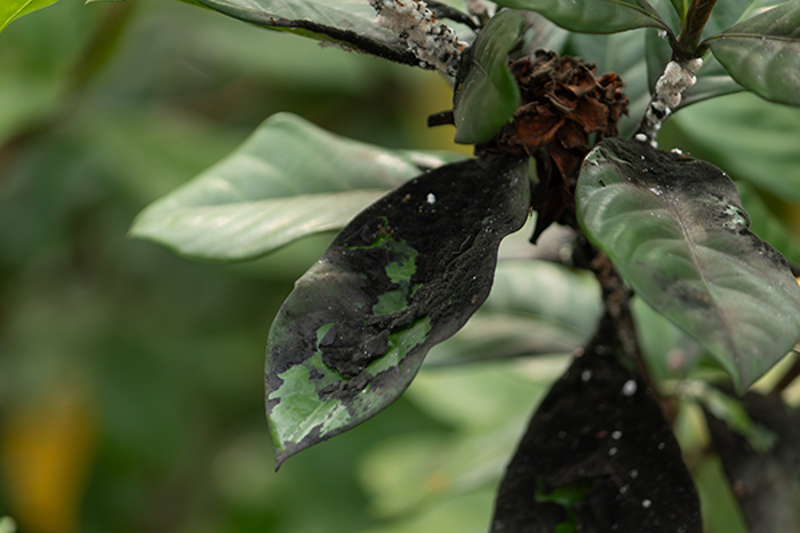
Have you noticed a black ashy-looking film on your citrus leaves, or seen ants crawling up and down the tree?
The presence of this black ash (it's actually sooty mould) or ants are classic signs that the tree is being attacked by sap-sucking insect pests.
Scale insects are one of the usual culprits; they're a particular challenge for citrus trees. Scale species can vary quite a lot in appearance; they can resemble small shell-like bumps, or can be covered in a waxy white or pink coating that protects their soft bodies from predators. Scale insects exude ‘honeydew’ as a waste product from feeding on the tree; it's very sugary and nutritious, so ants are keen to collect it...plus sooty mould is quick to colonise sticky honeydew residues.
Control scale insects by spraying foliage thoroughly with Yates Conqueror Spraying Oil, which smothers and kills sucking insect pests. Once the insects are under control, the sooty mould and the ants won’t have a food source, so they'll gradually disappear.
Pro tip: Don’t forget to deep water citrus trees each week, to maintain adequate soil moisture: they're busy setting fruit for this autumn and winter’s crop.


Share
Share this article on social media