Autumn: Time for a Good Feed
Autumn is an important time to feed established lawns. This helps get them into top condition before the cold weather arrives, plus a well-fed lawn is always greener, thicker and healthier than a hungry one. Yates Dynamic Lifter Organic Lawn Food is ideal to enrich the structure of the soil (with its combination of composted chicken manure , blood & bone, fish and seaweed). Adding this organic content encourages earthworms and beneficial soil micro-organisms, that in turn help to improve the soil's porosity (drainage) and air circulation. This all makes it easier for your lawn to grow and root deeper into the soil. Having happy microbes is the secret to a good lawn, because the microbes break down fertiliser into a form that lawn grass can absorb.
If your lawn's weed free and you only need to feed, Yates Lawn Fertiliser Quarterly Hose-on is an excellent option for autumn. It feeds for 3 months, but also contains seaweed and humates that help your lawn and its microbial community bounce back after a tough summer season.
The development of high-performing slow-release lawn foods have made it much easier to feed your lawn through the cold season. Your lawn grass and microbial soil community underneath it are in sync with one another - if the grass becomes dormant due to cold, the microbes are also snoozing. Because the nitrogen in slow-release fertilisers is 'unlocked' for grass by microbes, this means the nutrient supply increases or decreases to match the demand from the grass. As soil temperature falls and everything begins to slow down, the supply of nitrogen also slows, so less nutrient is wasted.
Slow-release fertilisers perform well in autumn because their supply of nutrients tapers off as the grass becomes drowsy; in comparison, a big surge of fast-release nitrogen in cold conditions won't be completely absorbed - the excess can remain in the soil and will eventually leach into groundwater. Yates Lawn Fertiliser Quarterly is a premium granular option that gently feeds for 12 weeks after application, so it's an excellent choice for autumn.
The Autumn Double-Whammy: Diseases + Pests!
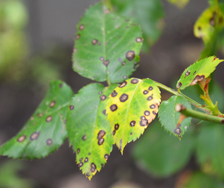
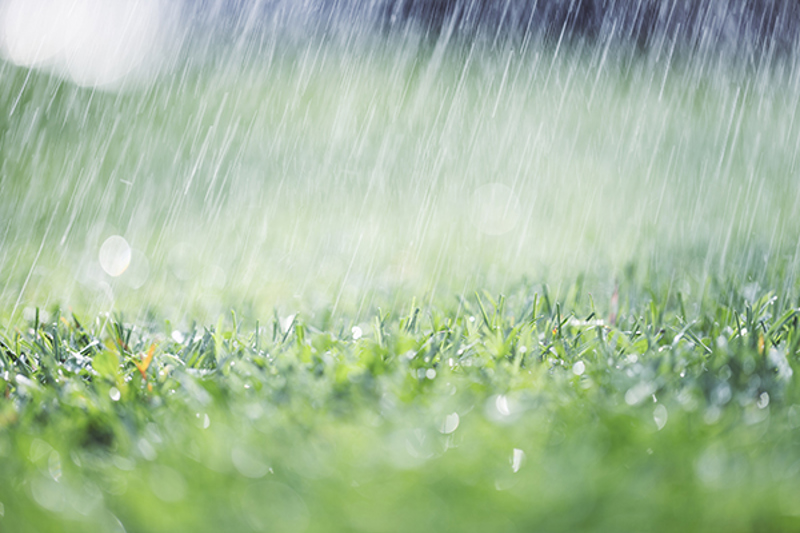
Mild temperatures, autumn rainfall and high humidity are ideal conditions for fungal lawn diseases to get started. These seasonal diseases include brown patch, fusarium, dollar spot and anthracnose.
Lawn diseases can be tricky to diagnose, as symptoms can look similar to a number of other lawn problems, like damage from porina caterpillars or grass grub. You can check here for pictures of fungal disease symptoms on grass, to help you ID the exact problem.
Common disease symptoms include areas of small discoloured, browned off or dead patches in the lawn. Brown patch or anthracnose patches tend to be irregular shaped, while dollar spot and fusarium form small circular patches. Lawn diseases can spread and reoccur year after year, so it’s important to get them under control to keep your lawn healthy and looking good, over the long-term.
How to Reduce the Risk of Lawn Diseases:
-
Mow regularly to prevent a build-up of thatch, because thatch absorbs moisture and stays consistently wet.
-
Remove grass clippings from the lawn during high-risk weather conditions.
-
Water only in the mornings, to allow the lawn to dry off during the day.
-
Aerate or core your lawn, to improve drainage.
-
To control lawn dollar spot and rust diseases, use a fungicide like Yates Fungus Fighter Fungicide, an effective systemic fungicide with both curative and protective action. Yates Fungus Fighter can be easily applied over affected lawn areas in a watering can.
-
Apply a potassium-rich plant food like Yates Thrive Natural Sulfate of Potash in early April. Potassium is a nutrient that helps strengthen the lawn so it’s better able to resist disease infection, plus cope with the cool winter weather. Apply it at a rate of 50g/m2 and then water in well.
Insect Pests
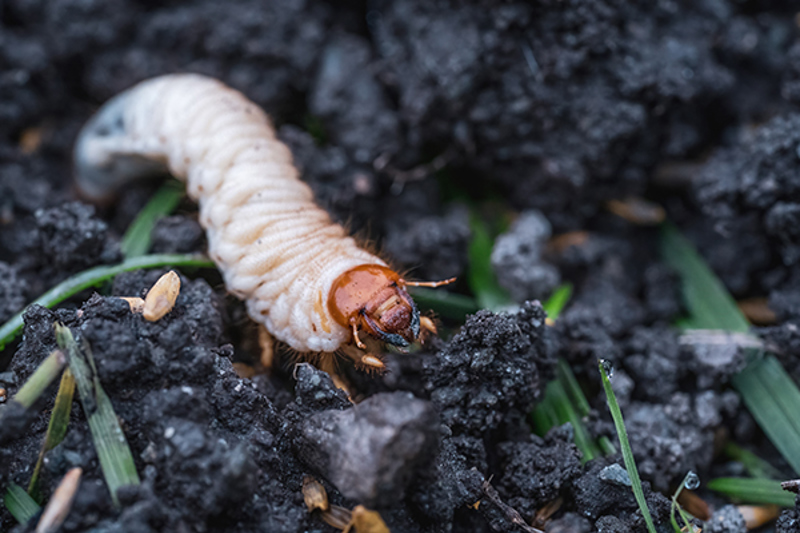
Autumn is when you'll see lawn damage from grass grub in particular, so it's great idea to do a ‘spade test’ if you think you have a grub infestation. Choose a spot in the affected area, then use a spade to cut a square hole in your lawn soil, a spade-width on each side, and a spade deep. Lever out the ‘cube’ of soil and dump it into a wheelbarrow. Crumble the soil, searching through it for white grubs. If you find grubs, it's time to apply a shaker pack of Yates Lawn Grub & Porina Kill + Protect to solve the problem.
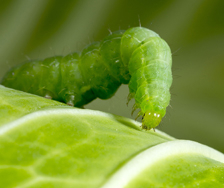
The next generation of grass grubs hatched back in early summer, and they've been sneakily grazing on your grass roots since then. Grass grub larvae are getting large enough during autumn for their damage to become more noticeable. They reach their largest size during winter...bigger grubs naturally eat more, so they can cause severe damage to lawns, gardens and potted plants during the coldest part of the season. You can avoid a lot of damage by heading them off early!
Playing Whack-a-Weed? Get a Bigger Mallet
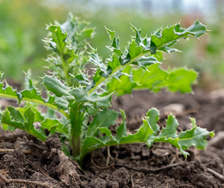
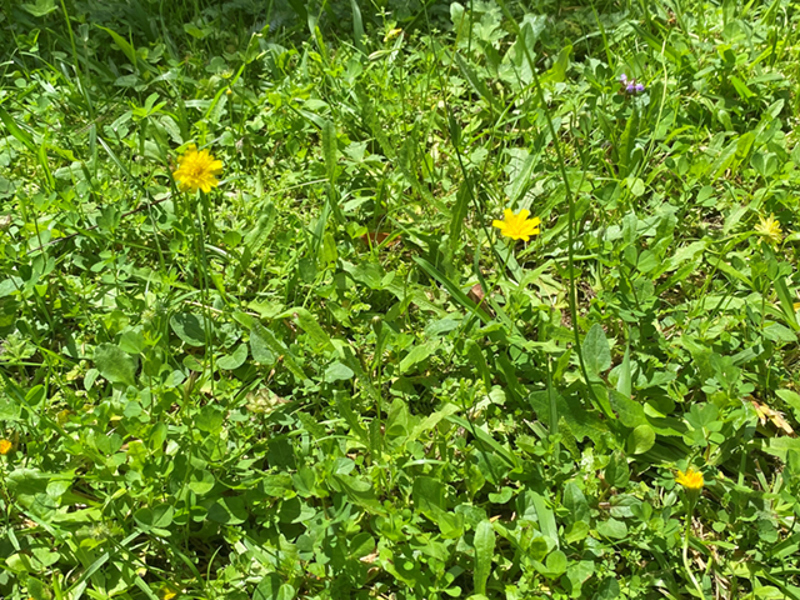
Broadleaf weeds like capeweed, dandelion, catsear and plantain (lamb's tongue) are a totally different shape and colour to grass, so they really stand out and ruin the look of your lawn. Fortunately, it's not complicated or time-consuming to get rid of weeds: you can easily control them with a selective herbicide. This type of weedkiller removes weedy invaders without harming lawn grass.
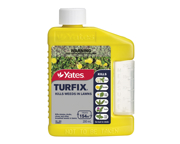
If you have a sprayer on hand, Yates Turfix is our go-to selective weedkiller concentrate to cull these weeds. Yates Turfix is compatible with common NZ lawn types like fescue, tall fescue, browntop, and ryegrass. When you apply Yates Turfix 3 times per year (autumn, early spring and late spring), weeds become a rarity!
Alternatively, if you'd prefer to take care of weeds and feed grass at the same time, choose Yates Weed ‘n’ Feed. It's a punchy selective weedkiller, with added surfactant to improve absorption into weeds. It also contains the essential nutrient, nitrogen, to give the lawn a quick green-up boost. It's available in a convenient hose-on bottle, or as a dry granular formulation you can sprinkle on. Job done!
If you had prickles in your lawn this summer, make sure you get the Onehunga Weed culprit under control before it has a chance to flower in spring...this prevents the prickles from forming. An application of our Yates Prickle Weedkiller any time before late spring will eliminate prickles for next summer - you can apply it in autumn, or hold off until early spring when the soil begins to warm up.
There are a few tricky and invasive lawn weeds that you'll need to call in the 'big guns' for - native hydrocotyle and creeping oxalis are examples. To get on top of the most persistent weeds, choose Yates Hydrocotyle Killer for the job.
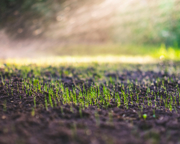
This month is also a great time to fill in sparse patches in your lawn, by sprinkling Yates Seed'n'Feed amongst the existing grass.








Share
Share this article on social media