


Yates Weed 'n' Feed Double Action - Hose On
Effectively kills weeds, feeds & greens lawns in one easy step. Controls common broadleaf weeds, with added nitrogen & iron for a healthy green lawn.
Create a Yates account today!
Sign up to join the Yates Garden Club for monthly e-mails packed with seasonal inspiration, tips for success & exclusive promotions.
Plus if you’re a Garden Club member you can take part in the Yates Growing Community - a blog to share successes, get advice & win prizes in fun challenges along the way!

Enter the email address associated with your account, and we'll email you a new password.
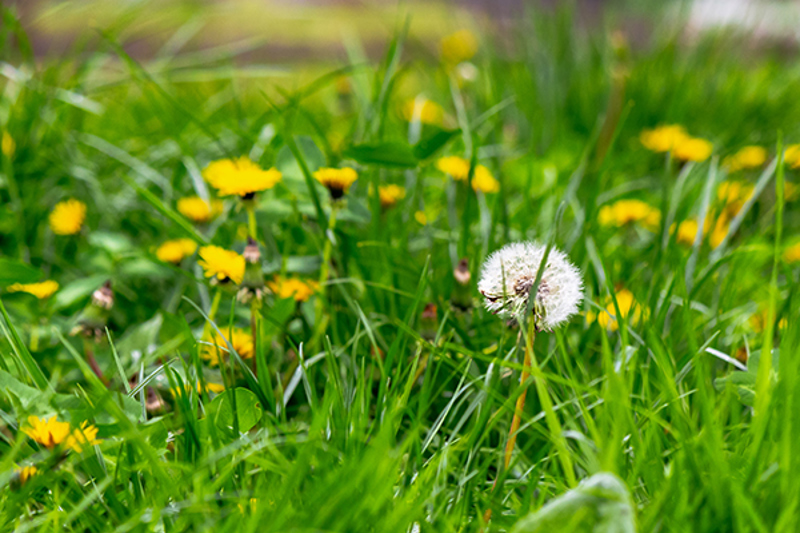
The definition of a weed is a plant that's growing where it's not wanted. For a lawn, that's basically any plant that's not grass!
Lawn weeds typically produce masses of seeds, allowing them to spread quickly. They're real survivors, so they're often hardier than your lawn grass. If your grass isn't in top condition, weeds can dominate and quickly outcompete it.
Taking a proactive approach to weeds really pays off, because tackling them while they're small means they don't get a chance to spread seeds. Weed seeds can remain viable for several years in lawn soil, so they're happy to sit there and wait for their chance to plague you next season.
The bad news is that weed seeds are very easily dispersed, so they're impossible to eradicate completely from a lawn. Tiny seeds can be transferred in from elsewhere, on shoes, in manure (from birds and animals), in the breeze, or even by lawn mowers.
The good news is, if you consistently keep on top of weeds in your lawn, after a couple of seasons it seriously reduces the seed lurking in the soil...so it becomes much easier to maintain a clean looking lawn.
| Autumn | Winter | Spring | Summer |
|
|
|
|
The best news of all? It doesn't need to be complicated or time consuming to create a weed-free lawn, you can easily wipe them out with a selective herbicide. This type of weedkiller is designed to kill off specific weedy invaders, without harming your lawn grass.
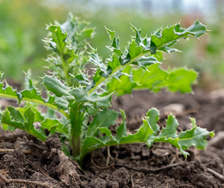
Common lawn weeds like dandelion, clover and thistles are easy to get rid of with a selective product. Even the most challenging creeping weeds, like hydrocotyle or oxalis can be controlled with selective weedkillers.
Here's a breakdown of the different types of selective weedkillers, and what they're used for.
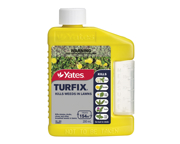
Broadleaf weedkillers - this group includes go-to options that are effective against a wide range of common lawn weeds, but also options that target very specific, troublesome weed species. A versatile example of the first type is Yates Turfix, a popular choice to apply in spring and autumn, for weed-free lawns throughout the year. Examples of the more aggressive targeted weedkillers are Yates Prickle Weedkiller (ideal to prevent Onehunga weed prickles and capeweed) and Yates Hydrocotyle Killer (to get rid of hydrocotyle, oxalis, buttercup and other challenging weeds)
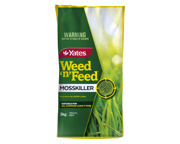
Yates Weed’n’Feed range - dual-use Weed'n'Feed products selectively remove weeds from the lawn, while also adding nutrients to feed the grass. Great for time-poor lawnies!
Moss and algae killers - these herbicides kill moss, algae and lichens in lawns and on hard surfaces like paths, bricks and tiles. These species reproduce by spores rather than seeds, so they need a special approach. Yates Surrender is our own (very effective) moss and algae killer.
While selective weedkillers don't harm cool-season grass species, they can burn warm-season types like kikuyu, couch or ornamental grasses - check the label precautions for advice.
Non-selective herbicides (AKA 'broad spectrum' herbicides) are a completely different kettle of fish, as they kill every plant they contact. Generally, these weedkillers aren't used on lawns because of their grass-killing abilities! However, they are quite useful for clearing entire areas of lawn to make a 'blank canvas' before sowing new grass seed.
They can also be used as spot treatments in lawns, to target individual weeds. This usually kills the grass immediately around the sprayed weed, so it's likely to leave bare patches of soil, that need to be oversown with grass seed.
Examples are:
Glyphosate – it's systemic, so it moves through the plant to the roots. It usually takes about 10 days to take full effect.
Brush Killers – very effective control for unwanted trees and shrubs (check local Council regulations before using brush killers on established trees). Yates Woody Weedkiller is our favourite example.
If you use a sprayer or lawnboy, Yates Turfix is our go-to choice to cull common lawn weeds. It's compatible with popular NZ lawn types like fescue, ryegrass and browntop.
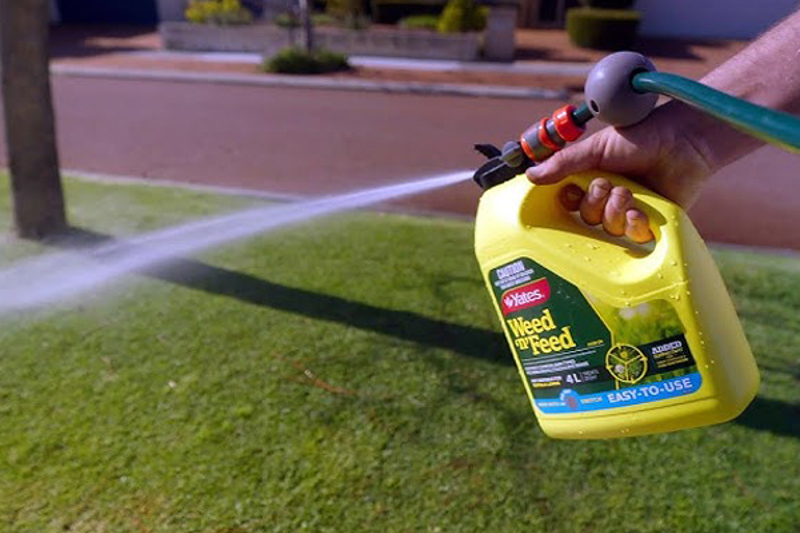
By far the easiest (and fastest) way to control broadleaf lawn weeds is with Yates Weed'n'Feed Double Action hose-on. Clicking it into the hose and spraying it on only takes a few minutes. Yates Weed’n’Feed is boosted with nitrogen and iron, key lawn nutrients that promote a deep rich green lawn.
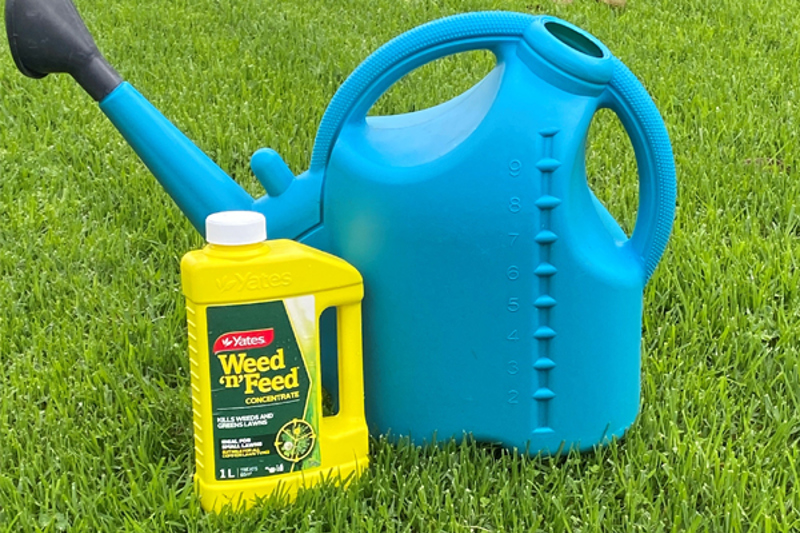
If you only have a small patch of weeds, or a small lawn where a hose-on applicator isn't practical, Yates Weed'n'Feed Concentrate is a great choice. It's easy to mix and apply with a watering can or sprayer.
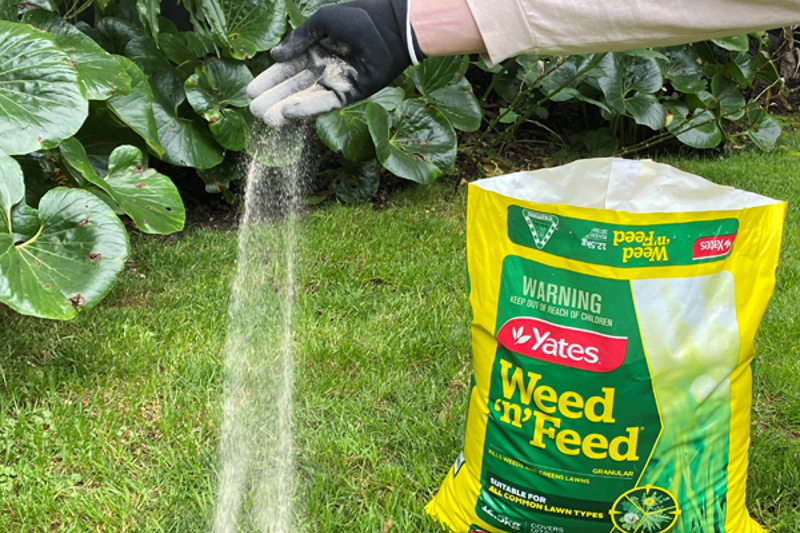
For kikuyu or couch lawns, you can avoid the risk of burning your grass by choosing Yates Weed n Feed Double Action Granular. Apply the granules dry, onto moist grass and weeds, and leave for 2 days before watering in thoroughly. The colour of the lawn will blacken, then quickly recover to its normal state - but noticeably greener and lusher!



Share
Share this article on social media