


What to Do, This Month

January is the month of resolutions and fresh starts for gardeners...but not for gardens! Gardens are right in the middle of their growing season, so your plants are running at full speed.

It can be a challenging month for a keen gardener. As you'd expect, the hot, dry weather plays a role. On top of that, for many of us family commitments and holidays can override the needs of the garden...just when plants are beginning to look their best and your long-awaited harvest is starting to arrive. Growth is so rapid, you may not recognise the garden if you step away for a week or two!

But there's good news; with some planning, your garden can still thrive while you take time out. You can come home to a green haven and pick up outdoor summer living, right where you left off.

In summary, January offers an incredible bounty of fresh fruit, vegetables, and magnificent flowers. If you're one of the lucky gardeners staying close to home, we hope you get plenty of time to bask in the garden, while it's looking its absolute best. And if you're one of the lucky gardeners getting a New Year's break, here's how you can keep everything lush until you get home.

  • The two main priorities this month are to keep the garden well-watered and weed free. This helps reduce moisture stress and competitive stress on plants during hot, dry weather.
  • Check that layers of mulch around the garden are still deep enough to suppress weeds and lock in moisture.
  • Make sure irrigation systems are working as they should. It's wise to change the battery in tap timers, so they don’t let you down while you're away.
  • It's wise to avoid working in the garden during the hottest part of the day. Plants can be highly stressed on a hot afternoon, so they can respond badly to many garden tasks (e.g. applying insecticides - treat oil-based products with extra caution).
  • Don't forget your hat, and slap on the sunblock!
  • New seedlings planted during late afternoon, with generous watering and shade provided, will suffer reduced transplant shock.

Holiday Garden Care

Things to take care of, before you head away:

  • Leave your garden with a good supply of water – you might have a friendly neighbour who doesn't mind watering for you, or you could set up a sprinkler on a battery-powered tap timer.
  • Alternatively, you can set up a simple irrigation system, with a tap timer supplying runs of 13mm polyethylene 'lateral' pipe and drippers. Even when you're home, this setup is worth its weight in gold at this time of year! It's a much more efficient use of water than a sprinkler, and a surprisingly achievable DIY project. Your favourite garden centre should stock everything you need for this job - you can keep it super-simple, or run pipe into different parts of the garden if you want.
  • Remove all of the weeds – even the tiny ones can grow quickly at this time of year, rapidly reducing the airflow around your precious plants and increasing the risk of fungal diseases.
  • To keep your plants thriving and healthy while you're away - give them a liquid feed, or a side dressing of a good slow-release fertiliser.
  • Examine your garden for pests with a critical eye. If you see even the barest hint of a problem, proactively deal with it before you go. A quick spray can fend off runaway insect infestations until you get back.
  • Do a sweep for wasp nests and eliminate them with Yates Home Pest Wasp Killer & Nest Destroyer, while they're a manageable size.
  • Check your plant stakes and structures, to confirm they're still strong and sturdy. Tie back any tomato plants that need it, nipping off any laterals. Remove some of the lower leaves to increase air flow and reduce disease risk.
  • Mow the lawn - it doesn’t take long for lawn weeds (including grass weed species) to set seed. You definitely don’t want them settling into your lawn soil, or being blown into the rest of your garden.
  • Before you go, do a ruthless pick of your fruiting vegies, plus organise for someone to harvest while you're away. Nothing will be wasted, plus your vegies won't throw in the towel for the season...this makes certain they're still producing a harvest when you get home.

Love Your Lawn

  • The summer heat will slow the growth of cool-season grass species. In some cases, grass may even go dormant and brown off.
  • Summer is when warm season species like kikuyu are at their best, so kikuyu lawns need regular mowing to stay on top of growth.
  • To keep lawns healthy, water deeply at regular intervals (twice a week is good while it's hot) to promote cool, moist soil in the grass root zone.
  • Stay alert for any water restrictions in your area.
  • Set the lawn mower higher than you usually cut. Longer grass blades provide more shade and cool the soil, plus help to suppress weeds.
  • A slow-release lawn food ensures grass has just the right amount of nutrients, to get it through the hot summer months.
  • Leave the catcher off the mower, to allow lawn clippings to fall onto the lawn. Give the clippings a gentle rake to spread them out evenly. The clippings act as a thin layer of mulch, and as the cut grass decays it feeds the lawn.

Vegetable Tasks

  • "The more you pick, the more you get" is a time-honoured garden mantra. When you harvest, it prevents fruiting vegies from setting seed, so the plant will repeatedly try again. This extends the cropping duration of most vegies, delivering a lot more produce over the season. If you allow fruit to stay on the plant past maturity, the plant will consider the work is done for the season and switch off growth.
  • Onions will be ready for harvest when the stems bend over. Prepare onions for storage by leaving them in a dry place for 1-2 weeks.
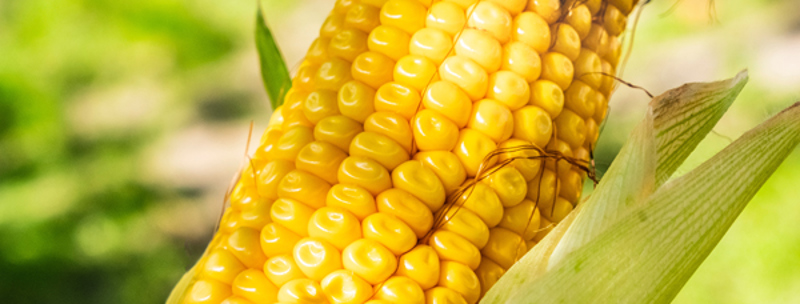
  • Sweetcorn is ready when the tassels go dry and crispy, the ear is nice and fat, it sticks out about 45° from the stalk and if, when you pierce a kernel, the juice is milky.
  • Hot, dry, and humid conditions encourage powdery mildew. Keep an eye on your zucchini, pumpkins and cucumbers for the telltale white spots - spray immediately with Yates Nature's Way Fungus Spray when you see the symptoms.
  • Seeds for beans, cucumber, parsnip, swedes, turnips, radishes, spinach, silverbeet, sweetcorn, broccoli, Brussels sprouts, cabbage, cauliflower, celery, watercress, zucchini, leeks, and spring onion can be started now.
  • Sowing new seeds, or planting seedlings, every couple of weeks for lettuce, carrots, beetroot, kohlrabi, and other one-shot crops will deliver a regular supply throughout the season.
  • A weekly liquid feed will keep all plants in the best health while producing the harvest and helping them to resist pests and disease.
  • Groom tomatoes by pinching out laterals, plus remove the lowest leaves to improve airflow and reduce disease risk. Keep them tied securely into their support structures. Check often for signs of pests or disease.
  • Protect brassicas from the Cabbage White with netting, derris dust or or Yates Nature's Way Organic Citrus, Vegie & Ornamental Spray.

Fruit Trees and Berries

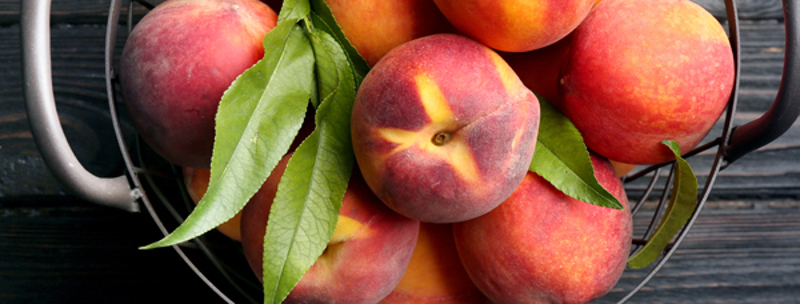
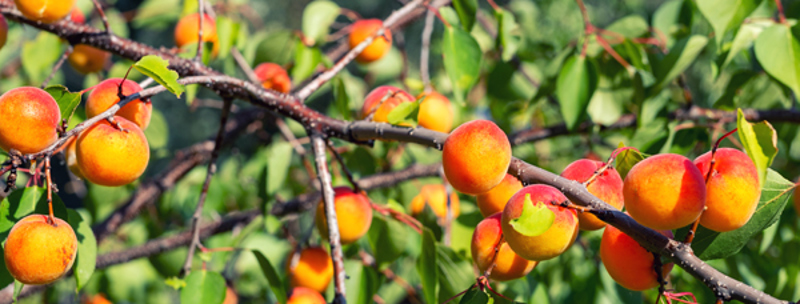
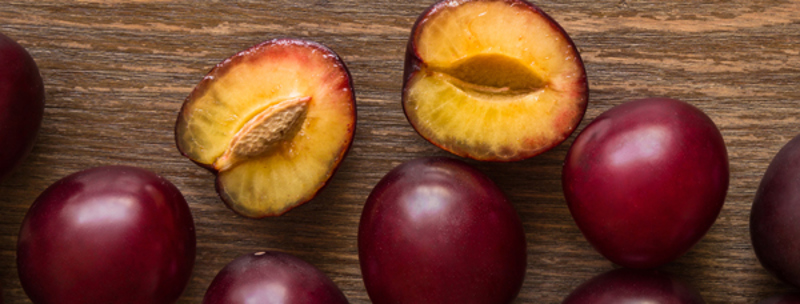
  • Summer fruit will be appearing in abundance, with apricots, peaches, nectarines, plums, cherries, blueberries, raspberries, and strawberries ripening daily.
  • Check fruit trees for overloaded branches: thin out the fruit to prevent branches breaking under the weight.
  • For a bumper crop (and to prevent premature fruit drop), make sure trees are getting all the water and nutrients they need.
  • Keep picking berries regularly and water well during dry periods. Feed with Yates Thrive Flower & Fruit Soluble Plant Food to encourage more berries to form.
  • Protect your harvest with bird-netting, but make sure it's secured tightly to prevent birds becoming trapped in the netting.
  • Watch out out for skeletonised leaves on fruit trees, caused by the pear and cherry slug.
  • Remove and destroy any stonefruit affected by brown rot.
  • Once stonefruit finish fruiting, go ahead and prune, aiming to maximise sunlight penetration and airflow through the tree. Prioritise and preserve horizontal branches that are within easy reach. Remove any damaged branches. Pruning in summer instead of winter helps to prevent the spread of silver leaf disease.
  • Keep grape growth in check by trimming or tying back the new season’s growth.

Flowers Everywhere

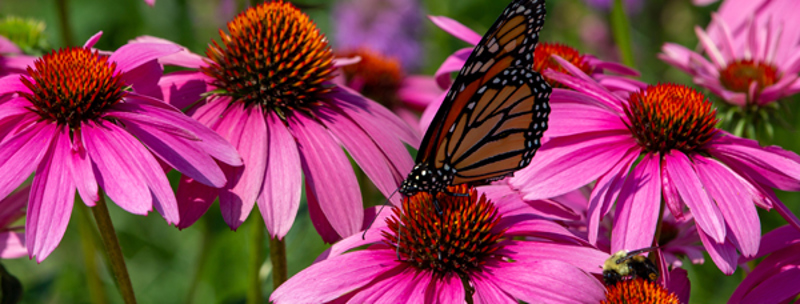
  • There are plenty of flowers that can be started from seed in January, including ageratum, alyssum, aster, celosia, cosmos, gerbera, nasturtium, petunia, phlox, portulaca, rudbeckia, sunflowers, and verbena.
  • Deadhead blooms as soon as they've wilted, to prevent the plant attempting to set seed - this encourages longer flowering times.
  • Summer flowering annuals and perennials can still be planted in the garden, just make sure you keep them well watered until they're established. Yates Thrive Natural Seaweed Tonic helps plants to recover from transplant shock.
  • Feed flowering plants with Yates Roses and Flowers Liquid Plant Food to keep them healthy and encourage flower production.
  • Pay extra attention to containers and hanging baskets, to keep their soil moist and plants hydrated.
  • Stake and tie tall blooming plants to keep them upright and beautiful (they look awful flopped over).
  • When you regularly cut gorgeous flowers to take indoors, it actually refreshes plants and extends the duration of flowering.
  • Pruning back sad-looking flowering plants can often rejuvenate them, by encouraging new growth.
  • Cut back and rein-in out-of-control ramblers.
  • Monitor plants for signs of trouble. Rust and other fungal diseases can be treated with a spray of Yates Fungus Fighter. Mites, aphids, thrips, and whitefly can be controlled with Yates Mavrik Insect & Mite Spray.

Trees and Shrubs

  • Give your trees regular deep waterings during hot, dry spells, to avoid stress turning into long-term damage. Watering once or twice a week is ideal, but when you water, really make it count with a deep soaking. 
  • Trees and shrubs planted during the last 12 months will need extra (and consistent) watering to ensure they establish successfully.
  • Spread a generous layer of mulch out to the drip line of trees (but avoid heaping it up right against the trunk, leave a wee gap).
  • Monitor your trees and shrubs regularly for signs of pests or diseases: treat anything you find as soon as possible.

Related Products

Yates Thrive Natural Seaweed Tonic

A seaweed tonic for plant and root health, to improve plant resistance for protection against drought and frosts. Ideal for soaking plant roots, to reduce stress from transplanting.

Yates Lawn Fertiliser Quarterly

A premium granular lawn food designed to give you a strong, green and healthy lawn. Features both fast-acting and gradually released Nitrogen, to feed for up to 12 weeks.

Project guides & articles

Gardening Makes Memories: Growing with Kids

Gardening with kids offers benefits that go way beyond simply growing plants. It teaches patience and perseverance. It's a hands-on introduction to nature and healthy eating. But most of all: it’s fun!